
Shrubs
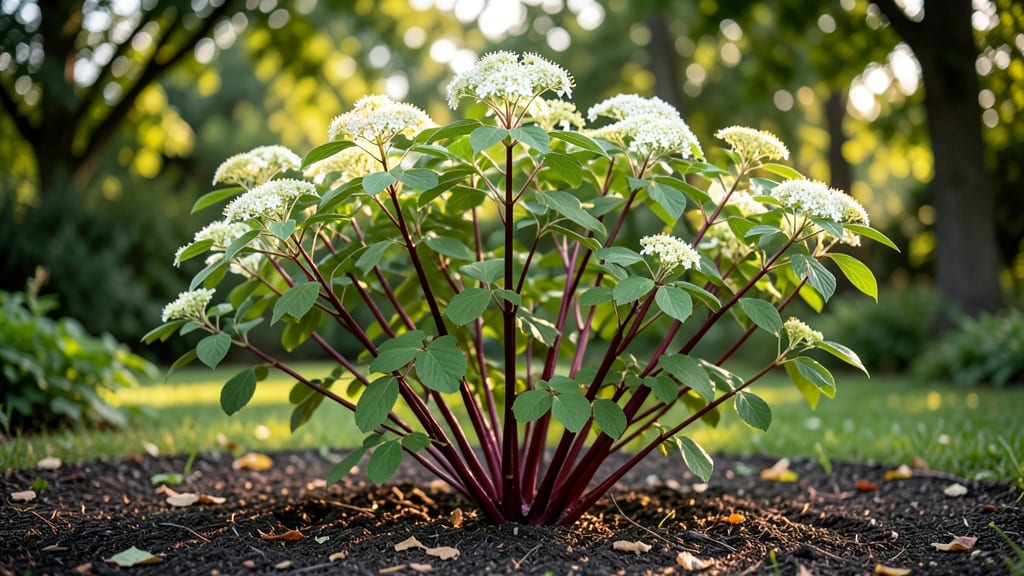
Dark red bushes transform any yard into a moody, sophisticated retreat—imagine a year-round privacy screen that never fades to brown. 🌿 I’ve designed gardens where these deep-hued shrubs create drama against white fences or silver foliage, and they stay stunning even in winter.
The right varieties like Cotoneaster franchetii or Berberis thunbergii Atropurpurea thrive with minimal fuss, offering both structure and seasonal interest.
These shrubs work as hedges, borders, or statement plants, depending on your space. A single specimen can anchor a corner, while a row creates an impenetrable, elegant barrier. Pair them with chartreuse foliage or creamy blooms to make the red pop even more.
Most grow 6–12 feet tall, so plan spacing accordingly—think 3–5 feet apart for a dense, lush look.
By mid-summer, you’ll have a rich, velvety backdrop that contrasts beautifully with light flowers like hydrangeas or roses. Even in winter, the stems and berries add texture.
The best part? These shrubs handle pruning like champs, so shaping them is easier than you’d think. Let’s make your garden the envy of the neighborhood.
Perfect for modern landscapes, cottage gardens, or even urban courtyards—these bushes bring drama without the high-maintenance fuss. Whether you’re masking a noisy street or adding a focal point, dark red shrubs deliver all-season impact with almost no effort. Ready to get started?
📚 In This Guide
- What you need
- Instructions
- Tips and common mistakes
- Wrapping up and next steps
What you need
- ● Dark red shrubs: Choose from varieties like Ilex verticillata 'Red Sprite', Viburnum 'Crimson Beauty', or Callicarpa bodinieri 'Profusion' (3–5 plants per 6-foot section for dense coverage).
- ● High-quality potting soil: 2–3 bags (50 lbs each) of organic, well-draining mix (e.g., Miracle-Gro Garden Soil).
- ● Mulch: 1–2 bags of dark brown or black mulch (e.g., pine bark nuggets) to retain moisture and enhance color contrast.
- ● Slow-release fertilizer: 1 bag (e.g., Osmocote Smart-Release Plant Food) for nutrient-rich growth.
- ● Hand trowel or spade (for planting).
- ● Garden gloves (to protect your hands from thorns or rough bark).
- ● Watering can or hose with a gentle spray nozzle (for deep watering).
- ● Measuring tape (to space plants 3–5 feet apart, depending on mature size).
- ● Pruning shears (for shaping and maintenance).
- ● Erosion control fabric (for slopes or sandy soil).
- ● Organic compost (to boost soil health).
- ● Decorative stakes or garden flags (to mark plant locations).
- ● Drip irrigation system (for low-maintenance watering).
Step-by-step instructions for planting dark red privacy bushes
Here's the method I've used to create bold, year-round privacy screens that turn heads—no matter the season.
🌱 Step 1: Choose the Right Variety for Your Climate
Dark red bushes like Ilex verticillata 'Red Sprite' or Cornus sericea 'Kelseyi' thrive in zones 3-8, but check your local nursery for cold-hardy options. I always verify the plant's mature height and spread—6-12 feet tall and 4-8 feet wide is ideal for a full privacy screen. These varieties hold their deep red foliage through winter, making them stand out even when neighbors' plants go dormant.
For sun exposure, I opt for full sun to partial shade—at least 4-6 hours of direct sunlight daily. In hotter climates, afternoon shade prevents leaf scorch. The key is matching the bush's natural habitat to your site conditions. If your area gets heavy snow, select a variety with strong branches that won't snap under weight.
🪴 Step 2: Prepare the Planting Site for Optimal Growth
Test your soil's pH—most dark red bushes prefer slightly acidic to neutral (6.0-7.0). Amend heavy clay soil with 2-3 inches of compost mixed into the top 12 inches of soil. I dig a hole twice as wide as the root ball but only as deep—planting too deep suffocates roots and causes stress.
Place a 2-3 inch layer of mulch around the base, keeping it 3 inches away from the trunk to prevent rot. Use organic mulch like shredded bark or pine needles to retain moisture and regulate soil temperature. Water deeply after planting to settle the soil and eliminate air pockets around the roots.
☀️ Step 3: Plant and Stake for Stability
Remove the bush from its container and loosen the roots gently if they're circling. Position the plant so the top of the root ball sits 1-2 inches below soil level—this prevents stem rot while encouraging strong root growth. Backfill with native soil mixed with 1/3 compost to improve fertility.
Stake young bushes in windy areas or heavy clay soil using 2-3 stakes per plant, securing with soft ties. Water immediately after planting to help the soil settle. Avoid overwatering—you'll know it's right when the top 6 inches of soil feels damp but not soggy. Dark red bushes are drought-tolerant once established, but consistent moisture in the first year ensures strong root development.
✂️ Step 4: Prune and Maintain for Year-Round Color
Prune in late winter or early spring before new growth appears. Remove dead, diseased, or crossing branches first, then shape the bush by cutting back 1/3 of the oldest stems to encourage fresh growth. I avoid heavy pruning in fall—it stimulates tender new shoots that won't survive winter.
Fertilize lightly in early spring with a balanced 10-10-10 formula or organic compost. Over-fertilizing leads to lush green growth at the expense of vibrant red foliage. Monitor for pests like scale or spider mites—spray with neem oil if you spot infestations early. With proper care, your dark red bushes will maintain their dramatic color and structure for decades.
Tips & tricks for planting dark red privacy bushes
Transforming your yard into a year-round privacy oasis starts with these key strategies that ensure your dark red bushes thrive from day one.
Variety Selection: When choosing between Ilex verticillata 'Red Sprite' and Cornus sericea 'Kelseyi', consider your climate's extremes. 'Red Sprite' handles wetter conditions better, while 'Kelseyi' tolerates drier soils. For snow-prone areas, opt for varieties with naturally stronger branch structures—ask your nursery for cold-hardy options specifically bred for your zone. The mature height and spread measurements (6-12 feet tall) are critical for planning spacing between plants to avoid future overcrowding.
Soil Preparation: The 6.0-7.0 pH range is non-negotiable for vibrant red foliage—use a soil test kit if you're unsure. For heavy clay soils, mix in 2-3 inches of compost down to 12 inches deep to improve drainage while retaining moisture. Pro tip: Add a handful of sulfur to lower pH if your test shows alkalinity above 7.0. The twice-as-wide hole prevents root constriction, but never dig deeper than the root ball—this is the #1 mistake that causes stem rot.
Planting Depth: Positioning the root ball 1-2 inches below soil level might seem counterintuitive, but this encourages root growth downward rather than suffocating them. After backfilling with your native soil-compost mix, press firmly around the edges to eliminate air pockets. For the first year, maintain consistent moisture by checking that the top 6 inches of soil feels damp—not soggy—after each watering. This mimics natural rainfall patterns and prevents root rot.
Pruning Timing: Late winter pruning (before new growth appears) is crucial for maintaining that dramatic red color. When you cut back 1/3 of the oldest stems, you're not just shaping the plant—you're encouraging fresh, vibrant growth. Avoid fall pruning entirely; new shoots stimulated by late-season cuts won't harden off before winter and will die back. For established bushes, a light shaping every 2-3 years keeps them looking their best without sacrificing foliage production.
Pro Tips for Dark Red Bushes
- Transforming your yard into a year-round privacy oasis starts with these key strategies that ensure your dark red bushes thrive from day one.
- Variety Selection: When choosing between Ilex verticillata 'Red Sprite' and Cornus sericea 'Kelseyi', consider your climate's extremes.
- Soil Preparation: The 6.0-7.0 pH range is non-negotiable for vibrant red foliage—use a soil test kit if you're unsure.
Frequently asked questions
Got questions about dark red bushes for your privacy screen?
You’re not alone! Here are some of the most common queries—plus quick, practical answers to help you make the best choice for your space.
What are the best dark red bushes for year-round privacy?
Top picks include Ilex crenata ‘Dwarf Burford’ (holly), Berberis thunbergii ‘Crimson Pygmy’ (barberry), and Viburnum bodnantense ‘Dawn’. These thrive in various climates, offer dense foliage, and maintain rich color—even in winter!
How long does it take for dark red bushes to grow into a privacy screen?
Most dark red shrubs grow 1–2 feet per year. For a 6-foot-tall screen, expect 3–5 years with proper care. Faster results? Opt for Buxus sempervirens ‘Vardar Valley’ (boxwood), which can reach 3–4 feet in just 2 years.
Do dark red bushes need full sun or shade?
It depends! Berberis and Cotoneaster love full sun (6+ hours/day), while Ilex and Viburnum tolerate partial shade (3–6 hours). Check your shrub’s tag—most specify ideal light conditions to keep those deep red hues vibrant.
How do I prune dark red bushes to encourage bushiness?
Prune in late winter or early spring before new growth starts. Cut back 1/3 of the oldest stems to the ground and trim errant branches to shape. For evergreens like holly, avoid heavy pruning in fall—it stresses the plant and dulls color.
What if my dark red bushes turn brown or lose leaves?
Brown leaves often signal overwatering, underwatering, or fungal issues. Check soil moisture (keep it evenly moist but not soggy) and improve drainage if needed. For pests/fungus, spray with neem oil or insecticidal soap. Mulch around the base to retain moisture and protect roots!
Can I replace dark red bushes with alternatives if they’re hard to find?
Try Pyrus calleryana ‘Chanticleer’ (callery pear) for deep burgundy foliage or Rhododendron ‘PJM’ (evergreen with pink blooms). For a pop of color, Euonymus alatus ‘Compactus’ (burning bush) offers fiery red fall leaves—just note it’s deciduous.
Wrapping up and next steps
Dark red bushes aren’t just a stunning addition to your landscape—they’re a practical solution for year-round privacy, beauty, and low-maintenance charm. Whether you’re drawn to the bold hues of Berberis thunbergii or the structured elegance of Cotoneaster, these shrubs deliver color, texture, and resilience in every season. 🌿
Ready to transform your outdoor space? Start by sketching your design, gathering your supplies, and planting with confidence—your future privacy screen (and curb appeal) will thank you! For extra inspiration, explore native varieties or mix-and-match with complementary plants for a showstopping garden.