
Shrubs
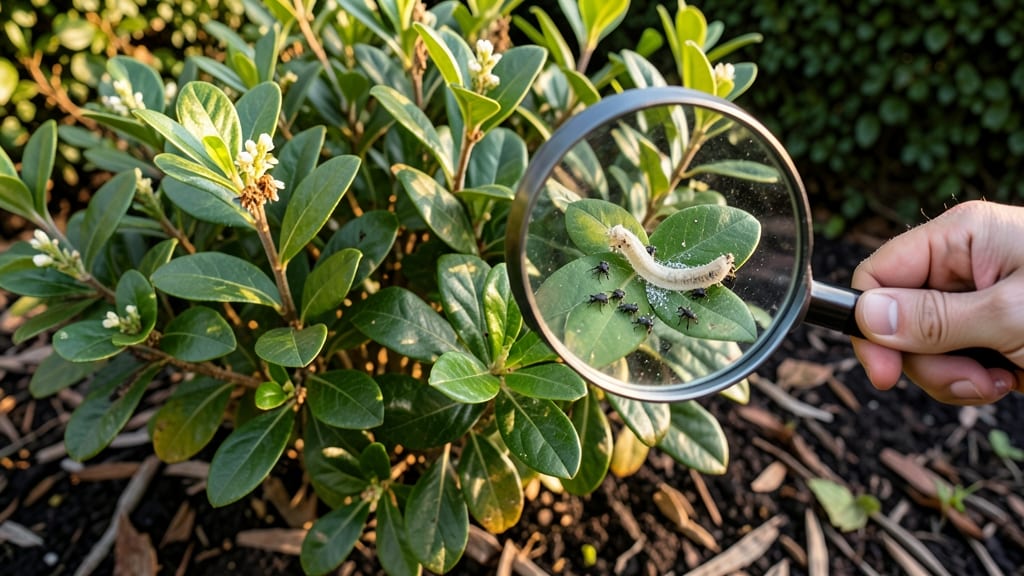
Flies buzzing around your bushes aren’t just annoying—they can damage roots, spread disease, and stress your plants. 🌿 I’ve battled fungus gnats, fruit flies, and hoverflies in my own shrubs, and I’ll show you how to kick them out without harsh chemicals.
The key is understanding which flies you’re dealing with first.
Fungus gnats swarm near damp soil, fruit flies cluster around overripe fruit, and hoverflies (the good guys) look like tiny bees. Look for yellowing leaves, stunted growth, or tiny holes—those are their calling cards. Most flies thrive in moist, cluttered conditions, so fixing their environment is half the battle.
You’ll learn organic fixes like neem oil sprays, beneficial nematodes, and simple traps that work in days. For stubborn infestations, I’ll share when to pull out the big guns—like diatomaceous earth or pyrethrin-based sprays—without harming bees or soil life.
Prevention is easier than cleanup: adjust watering, mulch properly, and pick ripe fruit fast. By the end, your bushes will be fly-free and thriving—no mystery sprays needed.
The Hidden Lures Behind Fly Attraction
Ever wondered why your bushes become a magnet for flies? 🦟 The answer lies in a mix of natural cues that these pests can’t resist. Understanding these triggers is the first step to outsmarting them without resorting to harsh chemicals.
Let’s break down the science behind why flies flock to your shrubs—and how you can disrupt their plans.
🌿 Nutrient-Rich Soil and Decaying Matter
Flies, especially house flies and fruit flies, are drawn to organic matter in decay. Bushes with thick mulch, fallen leaves, or even overwatered roots create the perfect breeding ground. Here’s why:
- Microorganism feast: Decomposing plant material releases gases like ammonia and carbon dioxide, signaling food sources to flies.
- Moisture magnet: Damp soil retains odors longer, making it easier for flies to detect. Overwatering or poor drainage worsens the problem.
- Actionable fix:
- Reduce mulch thickness (2–3 inches max) and keep it dry.
- Rake away leaf litter and compost piles near bushes.
- Improve drainage with sand or gravel to speed up decomposition.
🍃 Overripe or Damaged Fruit and Flowers
Flies have an uncanny sense of smell—some can detect food sources from up to 2 miles away. 🍓 If your bushes bear fruit (like berries, tomatoes, or citrus) or flowers (such as roses or hydrangeas), overripeness or injury sends out distress signals:
- Ethylene gas: Overripe fruit emits this hormone, which attracts flies for feeding and egg-laying.
- Sugary nectar leaks: Damaged flowers or fruit ooze sugars, creating a sticky trap for flies.
- Actionable fix:
- Pick fruit as soon as it ripens (don’t let it rot on the bush).
- Prune dead or diseased branches to remove hidden fly hotspots.
- Use row covers for flowering bushes to block fly access.
💦 Standing Water and Humidity Traps
Flies need water for survival, and stagnant pools or high humidity turn your bushes into a fly paradise. Here’s the science:
- Breeding grounds: Mosquitoes and fungus gnats lay eggs in waterlogged soil or saucers under pots.
- Humidity boost: Dense foliage traps moisture, creating a humid microclimate that flies love.
- Actionable fix:
- Ensure pots have drainage holes and elevate them to prevent water pooling.
- Water bushes early in the day so foliage dries quickly.
- Use a fan on low speed near bushes to reduce humidity.
🐛 Pest Infestations You Can’t See
Flies often follow other insects. For example, fruit flies swarm over aphids or mealybugs, while house flies target decay from beetle damage. Here’s how to spot the connection:
| Hidden Pest | Fly Attraction Trigger | Signs to Watch For |
|---|---|---|
| Aphids | Honeydew (sugary waste) | Sticky residue on leaves, ants farming them |
| Mealybugs | Fungal growth from their waste | White cottony patches, sooty mold |
| Beetles/Weevils | Decaying plant tissue | Holes in leaves, frass (sawdust-like droppings) |
Actionable fix: Treat underlying pests with neem oil or soapy water sprays to break the fly cycle.
By addressing these fly magnets, you’ll make your bushes far less inviting—naturally. Stay tuned for organic solutions to kick flies out for good! 🚫🦟
Natural Ways to Clear Out Bush Invaders
Flies buzzing around bushes aren’t just annoying—they can signal bigger pest problems or even harm your plants. The good news? You can tackle this organically without harsh chemicals. Below, we’ll break down cause-specific solutions and prevention tips to keep your shrubs fly-free and thriving.
If your bushes are near fruit trees, overripe fruit, or fallen produce, flies (like fruit flies or house flies) will swarm to feast. Here’s how to fix it:
- 🍎 Remove the Attraction
- Pick up rotting fruit, fallen berries, or overripe produce immediately. Even small amounts can attract hundreds of flies.
- Check the ground beneath bushes—especially after storms or harvests—where fruit may have dropped unnoticed.
- 🧹 Deep-Clean the Area
- Rake up leaf litter and debris where flies lay eggs. A clean base discourages breeding.
- Use a shop vacuum or stiff brush to clear tight spaces where eggs might hide.
- 🌿 Mulch Strategically
- If your bushes produce fruit, avoid thick mulch piles near the base. Opt for a thin layer (1–2 inches) to allow airflow and reduce moisture (flies love damp, decaying matter).
Fungus gnats, drain flies, or even wasps may be drawn to rotting wood, moldy bark, or sickly plants. Fix it with these steps:
- 🌱 Prune Problem Areas
- Trim dead branches, moldy leaves, or diseased foliage immediately. Bag and remove them from your yard (don’t compost them—flies will return).
- Sterilize pruners with rubbing alcohol to prevent spreading fungal spores.
- 💦 Reduce Moisture Traps
- Flies thrive in damp, shaded spots. Improve airflow by:
- Trimming back overgrown branches blocking sunlight.
- Watering early in the day so soil dries before nightfall.
- Adding gravel or sand to the soil surface to improve drainage.
- Flies thrive in damp, shaded spots. Improve airflow by:
- 🍄 Treat Fungal Issues - If you spot mold, mildew, or soft rot, spray with a baking soda solution (1 tsp baking soda + 1 quart water) or neem oil spray (1 tbsp neem oil + 1 tsp dish soap per gallon of water).
Reapply every 5–7 days until the issue clears.
Some flies (like sweat bees or sap-feeding insects) target sap, nectar, or sticky plant secretions. Stop the feast with these tricks:
- 🚿 Rinse Off Sticky Residues
- Hose down bushes with water to remove honeydew (a sugary substance pests love). Do this early morning so the plant dries quickly.
- 🌿 Choose Resistant Plant Varieties
- Some plants (like boxwood, azaleas, or roses) attract more sap-suckers. Opt for drought-tolerant or less sticky varieties (e.g., dwarf yews or lavender).
- 🕷️ Introduce Predatory Insects
- Ladybugs, lacewings, and parasitic wasps eat fly larvae. Buy them online or attract them with native flowering plants (like dill, fennel, or marigolds).
Once you’ve cleared the problem, lock it in with these low-effort habits:
- 💡 Pro Tip: Hang fly traps (like apple cider vinegar + dish soap in a bottle) 10+ feet from bushes to lure flies away. - 🌡️ Maintain consistent temperatures—flies love warm, humid conditions.
Use shade cloth in hot climates. - ✨ Plant fly-repelling herbs near bushes, such as: - Basil (deters fruit flies) - Mint (keeps house flies away) - Rosemary (natural wasp deterrent) - 🎯 Inspect regularly—check bushes weekly for new signs of decay, overripe fruit, or sticky residues.
By addressing the root cause—whether it’s food, moisture, or plant health—you’ll eliminate the fly problem naturally and keep your bushes lush and pest-free. No sprays, no fuss, just happy plants! 🌿✨
Frequently asked questions
Why do I see tiny flies around my bushes but can't find where they're coming from?
Those are likely fungus gnats or fruit flies, which breed in damp soil or decaying organic matter. Check the top inch of soil—if it's consistently wet, that's their nursery. Look for yellowing leaves or stunted growth too, as these flies feed on plant roots and sap.
Are all flies in bushes harmful to my plants?
Not all! Hoverflies (with their bee-like appearance) are beneficial—they pollinate and eat aphids. The bad guys are fungus gnats, fruit flies, and house flies, which damage roots or spread disease. Focus on controlling only the pests causing visible harm (like wilting or holes in leaves).
How long does it take for organic treatments like neem oil to work?
Neem oil starts working within 24-48 hours for adult flies, but it takes 5-7 days to fully break the life cycle of larvae. For stubborn infestations, reapply every 3-5 days until you see fewer flies. Combine it with reducing moisture (watering less frequently) for best results.
Can I use vinegar traps near my bushes without harming them?
Yes! Mix 1 cup apple cider vinegar + 2 drops dish soap in a bottle, poke holes in the cap, and hang it 10+ feet away from plants. The flies are attracted to the vinegar but drown in the soap. Avoid placing traps directly on bushes—vinegar can attract ants and may irritate some plant varieties.
When should I call a professional instead of DIY methods?
If you've tried organic methods for 3+ weeks with no improvement, or if you notice large swarms (hundreds of flies) or plant decline, it's time to call an expert. Also seek help if you suspect termites or other hidden pests—flies are often secondary invaders following bigger problems.