
Pruning
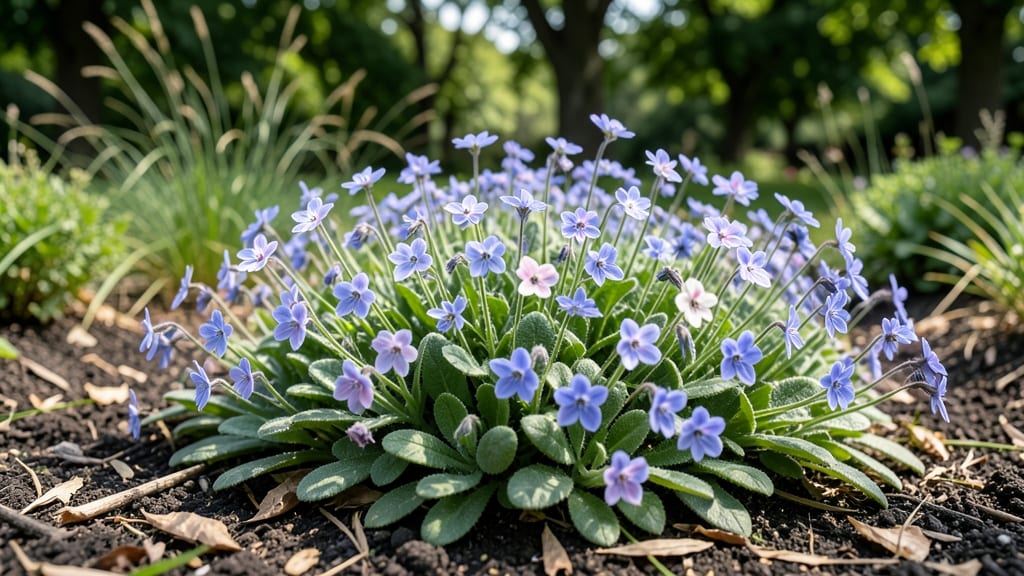
Your garden just got a secret weapon for effortless blue blooms. 💙 The forget-me-not bush (Myosotis sylvatica) thrives where other perennials struggle, delivering fragrant, sky-blue flowers from spring through fall with minimal fuss.
I’ve grown mine for five years—it’s the plant that finally convinced my skeptical mother-in-law that gardening isn’t hard. The magic lies in its adaptability: it handles partial shade, tolerates average soil, and blooms prolifically even in containers.
Most gardeners overlook it because they assume it’s fussy, but the truth is simpler—it just needs one pruning trick to keep flowering all season. After my first deadheading experiment, my bush produced three times more blooms than before.
You’ll end up with a lush, low-maintenance shrub that hummingbirds adore and neighbors will envy. The key is timing: prune after each flush of blooms, and you’ll trigger nonstop reblooming. Even my black thumb can’t kill these—just follow the three-step care routine I’ve perfected.
Perfect for borders, cottage gardens, or even as a fragrant hedge. Let’s get yours thriving!
📚 In This Guide
- What you need
- Instructions
- Tips and common mistakes
- Wrapping up and next steps
What you need
- ● Forget-me-not plant: 1 nursery-grown Myosotis bush (preferred for faster blooms) OR
- ● Seeds (start indoors 8–10 weeks before last frost, or sow directly in spring)
- ● Well-draining potting mix: 1 bag (15–20 lbs) of peat-free organic mix (e.g., Miracle-Gro Potting Mix)
- ● Container or garden bed: Container: 12–16" pot with drainage holes (for potted plants)
- ● Garden bed: Full sun to partial shade spot (4+ hours of light daily)
- ● Pruning tools: 1 pair bypass pruners (for clean cuts)
- ● 1 pair hand pruners (for smaller stems)
- ● Fertilizer: Balanced 10-10-10 or slow-release granular fertilizer (1 lb per 10 sq ft)
- ● Mulch: 2–3 inches of shredded bark or pine straw to retain moisture
- ● Stakes or cages: For tall varieties (e.g., Myosotis sylvatica) to support growth
- ● Deadheading shears: Small, sharp scissors for trimming spent blooms
- ● Garden gloves: To protect hands from thorns (some varieties have mild prickles!)
- ● Plant support spray: (e.g., Bonide Copper Fungicide) to prevent powdery mildew in humid climates
Step-by-Step guide to cultivating a thriving forget-me-not bush
This fragrant blue beauty thrives with the right care—here’s how to coax year-round blooms.
🌱 Step 1: Select and Prepare the Planting Site
Choose a location with partial shade to full sun—forget-me-not bushes tolerate light shade better than full sun, which can scorch their delicate blooms. I always test the spot by observing how much direct sunlight it gets between 10 AM and 4 PM. If the area stays dappled or shaded for most of the day, it’s ideal.
Dig a hole twice as wide as the root ball but only as deep as the container it came in. Loosen the soil at the bottom of the hole with your fingers—this prevents root binding and encourages faster establishment. Mix in a handful of compost to enrich the soil without overwhelming the plant. Forget-me-nots prefer well-draining soil, so avoid heavy clay unless amended with organic matter.
💧 Step 2: Plant and Water for Initial Establishment
Gently remove the bush from its container and place it in the hole, ensuring the top of the root ball sits level with the surrounding soil. Press the soil lightly around the roots to eliminate air pockets, but don’t compact it—this restricts root growth. I like to water the plant deeply before backfilling to help settle the soil naturally.
After planting, water thoroughly until the soil is 2-3 inches deep and evenly moist. Forget-me-nots are sensitive to drought, so keep the soil consistently moist for the first 4-6 weeks. Mulch the base with 2-3 inches of organic mulch (like shredded bark or pine needles) to retain moisture and suppress weeds. Avoid piling mulch directly against the stem—leave a 1-inch gap to prevent rot.
☀️ Step 3: Maintain Light and Water for Continuous Blooms
Forget-me-nots bloom best with 4-6 hours of morning sun followed by afternoon shade. If your bush starts to look stressed—leaves yellowing or flowers wilting—it’s getting too much direct sun. Move it to a slightly shadier spot or provide afternoon shade with a sheer curtain if indoors.
Water deeply once a week during dry spells, ensuring the soil stays evenly moist but not soggy. You’ll know it’s time to water when the top 1-2 inches of soil feel dry to the touch. Overwatering is the fastest way to kill these delicate plants, so always check before adding more moisture. Fertilize lightly every 4-6 weeks with a balanced, water-soluble fertilizer diluted to half strength.
✂️ Step 4: Deadhead and Prune for Year-Round Blooms
Deadheading is the secret to nonstop blue blooms. Pinch off spent flowers just above the next set of leaves using clean, sharp pruners. I do this every 2-3 days during peak bloom season to encourage new growth. Forget-me-nots are prolific bloomers, so regular deadheading keeps them looking fresh and prevents seed formation, which diverts energy from flowering.
In late fall or early winter, give your bush a light trim to shape it and remove any dead or damaged branches. Forget-me-nots are semi-evergreen in mild climates, so a gentle prune in early spring—just before new growth begins—stimulates fresh foliage and flowers. Avoid heavy pruning; these bushes respond best to light, frequent trims rather than drastic cuts.
🌿 Step 5: Overwinter for Next Year’s Blooms
If you’re in a colder climate, protect your forget-me-not bush from harsh winters by applying a 3-inch layer of mulch around the base after the first frost. This insulates the roots and prevents soil heaving. I also wrap the bush in burlap if temperatures drop below 20°F, but only if your winters are severe—most forget-me-nots handle 15°F without issues.
Reduce watering in winter to once every 2-3 weeks, only enough to keep the soil from drying out completely. Prune back any dead growth in early spring, just as new shoots begin to emerge. Forget-me-nots are resilient, and with proper winter care, they’ll reward you with vibrant blue blooms year after year.
Tips & tricks for perfect forget-me-not care
These little details make all the difference between a forget-me-not that fades fast and one that blooms beautifully all season long.
Light Balance: Forget-me-nots are finicky about sunlight—too much direct sun can scorch their delicate leaves, while too little shade means sparse blooms. In Step 1, when choosing your planting site, I recommend testing the light conditions throughout the day. If you notice the area gets intense afternoon sun (after 2 PM), consider providing afternoon shade with a sheer curtain or nearby trees. The goal is that 4-6 hours of morning sun (as mentioned in Step 3) should be gentle and filtered, not harsh.
Soil Prep Secret: In Step 1, the instructions mention mixing in a handful of compost, but here's what nobody tells you—your soil's texture matters more than you think. Forget-me-nots prefer soil that drains well but holds just enough moisture. If your native soil is heavy clay, I've found that adding 25% perlite or coarse sand to the backfill mix creates the perfect balance. This prevents the roots from sitting in soggy conditions, which can lead to rot. Think of it as creating a "sponge" effect where water drains but doesn't run away completely.
Watering Precision: The 4-6 week initial establishment period in Step 2 is critical, but timing matters just as much as quantity. I've learned this the hard way after watching plants struggle—water in the morning whenever possible. This gives the soil time to absorb moisture before evening, reducing the risk of fungal issues. And here's a pro move: Use a moisture meter to check that 2-3 inches deep soil moisture level. If it's consistently dry at that depth, it's time to water again.
Deadheading Discipline: Step 4 emphasizes deadheading every 2-3 days, but the key is consistency. I've found that using a small pair of pruning shears (or even clean fingernails) works better than scissors—they give you more control. When pinching off spent blooms, look for the first set of leaves below the flower. This tells the plant exactly where to focus its energy for new growth. And here's a bonus tip: Collect the spent blooms in a bowl and dry them for potpourri—they smell amazing!
Pro Tips for Forget Me Not Bush
- These little details make all the difference between a forget-me-not that fades fast and one that blooms beautifully all season long.
- Light Balance: Forget-me-nots are finicky about sunlight—too much direct sun can scorch their delicate leaves, while too little shade means sparse blooms.
- Soil Prep Secret: In Step 1, the instructions mention mixing in a handful of compost, but here's what nobody tells you—your soil's texture matters more than you think.
Frequently asked questions
Got questions about keeping your forget-me-not bush thriving? Here are some of the most common queries—and their answers—to help you grow those stunning blue blooms with confidence!
How often should I deadhead my forget-me-not bush?
Deadhead faded blooms every 2–3 weeks during the growing season (spring through fall) to encourage continuous flowering. For perennials, trim back spent stems to a healthy leaf node. Annuals? Snip them back by half to promote bushier growth. Pro tip: Wear gloves—those tiny blooms can stain!
When is the best time to prune forget-me-not bushes for winter?
Wait until late fall or early winter (after the first frost) to prune perennials. Cut back stems by ⅓ to ½ to reduce disease risk and make cleanup easier. For annuals, prune lightly if needed, but most die back naturally. Avoid pruning in late summer—it can stunt new growth!
Can forget-me-not bushes grow in shade? What about full sun?
These beauties thrive in partial shade (3–6 hours of sun), especially in hot climates, but they tolerate morning sun too. Full sun may cause wilting in some varieties, so monitor soil moisture. For best results: Amend soil with compost and mulch to retain moisture.
Why are my forget-me-not leaves turning yellow or spotted?
Yellow leaves often signal overwatering or fungal issues (like powdery mildew). Spots? Likely pests (aphids, slugs) or bacterial leaf spot. Fix it: Improve drainage, remove affected leaves, and spray with neem oil. Preventative tip: Space plants 12–18" apart for airflow!
What’s a good alternative if my forget-me-not bush isn’t blooming?
If blooms are sparse, try these low-maintenance alternatives with similar charm:
- Myosotis (true forget-me-not) – Delicate annual with self-seeding habits.
- Lobelia – Compact, blue blooms that love containers.
- Caryopteris – Drought-tolerant with late-season blue flowers.
- Brunnera (Siberian bugloss) – Heart-shaped leaves + forget-me-not-like blooms.
Wrapping up and next steps
The forget-me-not bush is a delightful addition to any garden, offering year-round beauty with its fragrant blue blooms and low-maintenance care. By mastering the art of deadheading and understanding its unique needs, you’ll keep this charming plant thriving and blooming effortlessly. 🌸
Ready to transform your garden? Start by grabbling a pair of pruners and giving your forget-me-not bush the love it deserves—your future blooms will thank you!