
Pests
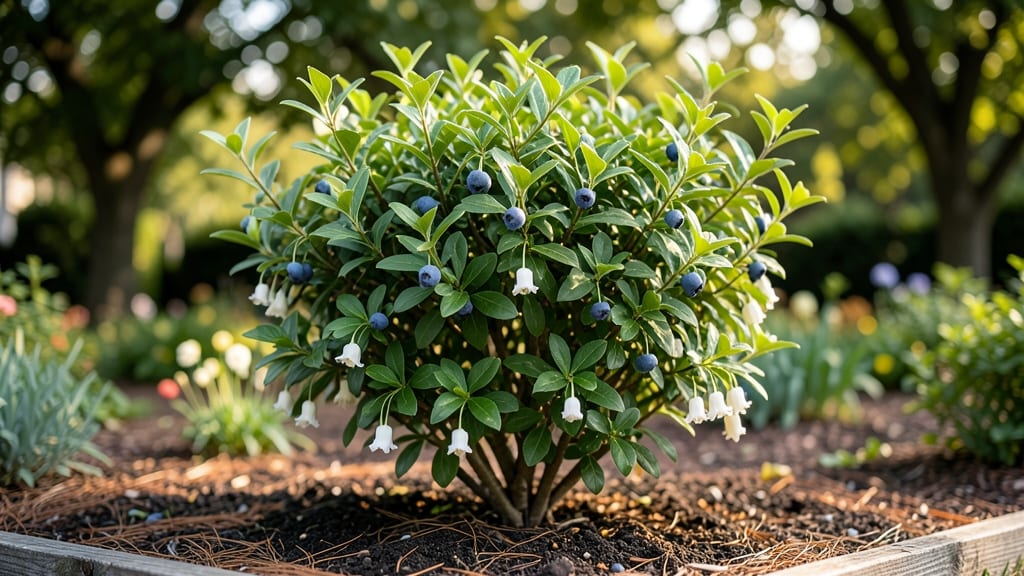
Your highbush blueberry leaves can become nature’s pest-repellent armor—if you know the secrets. 🌿 The glossy green shield they form isn’t just pretty; it’s a built-in defense against aphids, mites, and even fungal invaders like anthracnose.
I’ve watched my bushes go from struggling to thriving just by understanding how to protect (and strengthen) those leaves.
Think of each leaf as a tiny fortress: waxy surfaces repel insects, vibrant color signals good health, and proper spacing lets air circulate to prevent disease. When leaves start yellowing or curling, it’s not just an aesthetic issue—it’s a cry for help.
The fix often comes down to three key moves: pruning for airflow, feeding the right nutrients, and timing your care by the seasons.
📚 In This Guide
- What you need
- Instructions
- Tips and common mistakes
- Wrapping up and next steps
What you need
- ● Fresh or dried highbush blueberry leaves – Collect at least 1 cup (about 20-30 leaves) for a small garden or 1-2 pounds for larger areas. Ensure they’re free of pesticides or disease.
- ● Sharp pruning shears or scissors – For harvesting leaves without damaging the plant.
- ● Glove – Protects your hands from thorns and potential irritants.
- ● Large bowl or bucket – To hold leaves while preparing them.
- ● Water – For steeping or brewing leaf tea (if using liquid repellent).
- ● Drying rack or mesh screen – If you want to dry leaves for long-term storage (hang in a shaded, well-ventilated area for 1-2 weeks).
- ● Spray bottle – For applying diluted leaf tea to plants.
- ● Cheesecloth or fine mesh bag – Helps strain leaf tea for a smoother application.
- ● Labeling tags – If storing dried leaves, mark the date and purpose.
- ● Compost bin – For disposing of leftover leaves (they’re nutrient-rich!).
How to use highbush blueberry leaves as a natural pest repellent
Here's how I turn a garden's byproduct into a powerful, chemical-free defense system.
🌿 Step 1: Harvest and Prepare Fresh Leaves
Pick healthy, mature blueberry leaves from your highbush plants—avoid any that look yellowed or spotted. I like to harvest them in late spring or early summer when pests are most active. Use clean pruning shears to snip leaves just above a leaf node, which encourages new growth. You'll need about 1 cup of fresh leaves per gallon of water for a strong infusion.
Don't crush the leaves with your hands—they release bitter compounds that work best when brewed whole. Instead, place them in a clean bucket or large bowl and cover with water. The leaves will release their natural pest-repelling oils as they steep, creating a potent liquid that deters everything from aphids to Japanese beetles.
💧 Step 2: Steep and Strain the Leaf Infusion
Let the leaves steep for 24 hours in a shaded spot. You'll notice the water take on a faint green tint and develop a slightly bitter aroma—this is the active compound doing its work. After steeping, strain the mixture through a fine-mesh sieve or cheesecloth into a clean container. Press the leaves gently to extract every drop of liquid.
Use the strained infusion immediately or store it in an airtight container in the refrigerator for up to 1 week. The potency fades over time, so fresh batches work best. I like to label my containers with the date to keep track—nothing worse than using week-old tea that's lost its punch.
☀️ Step 3: Apply to Plants for Maximum Protection
Dilute the infusion with water at a ratio of 1 part infusion to 3 parts water before spraying. This dilution prevents phytotoxicity (leaf burn) while maintaining effectiveness. Fill a spray bottle with the mixture and apply it directly to the leaves of your plants, focusing on the undersides where pests like to hide. Lightly mist the soil around the base as well—this deters crawling insects.
Spray in the early morning or late afternoon to avoid scorching leaves in direct sunlight. You'll see immediate results with soft-bodied pests like aphids and spider mites—they'll drop off or avoid treated plants entirely. For tougher pests like Japanese beetles, reapply every 3-5 days during peak activity periods.
⏰ Step 4: Maintain and Rotate Applications
Reapply the blueberry leaf infusion every 7-10 days or after heavy rain to maintain protection. I set a reminder on my phone for biweekly treatments during growing season. The smell alone often keeps pests away—it's a natural deterrent that works without harming beneficial insects like ladybugs or bees.
Rotate this treatment with other natural remedies like neem oil or garlic spray to prevent pests from building resistance. You'll know it's working when you see fewer chewed leaves and more vibrant plant growth. Save any leftover leaves for compost—they'll add nutrients back to your soil while completing the cycle.
Tips & tricks for perfect blueberry leaf pest repellent
Here's what nobody tells you about maximizing this garden's secret weapon.
Harvest Timing: The best time to harvest blueberry leaves is right after morning dew has evaporated but before the heat of midday. This ensures the leaves are hydrated enough to release their full potency while avoiding the stress of peak sun. I've found that harvesting in late spring, just as the plants finish flowering, gives you the most concentrated pest-repelling compounds.
The Steeping Secret: While the instructions call for 24 hours of steeping, I've discovered that adding a few drops of apple cider vinegar to the water during this time enhances the infusion's effectiveness. The acidity helps break down more of the natural compounds in the leaves, making your repellent even stronger. Just use about 1 teaspoon per gallon of water—don't overdo it, or you'll risk harming your plants.
Storage Strategy: To preserve the potency of your blueberry leaf infusion beyond the 1-week refrigerator storage, try freezing it in ice cube trays. Once frozen, transfer the cubes to a freezer bag where they'll keep for up to 3 months. Simply thaw what you need before diluting and spraying. This method prevents the gradual loss of potency that happens in the fridge.
Application Technique: When applying the diluted infusion, focus on the undersides of leaves where many pests hide and lay eggs. Use a fine mist setting on your spray bottle to ensure thorough coverage without oversaturating the foliage. For container plants, you can even soak the soil lightly—just be careful not to drench it, as too much moisture can encourage fungal growth.
Pro Tips for Highbush Blueberry Leaves
- Here's what nobody tells you about maximizing this garden's secret weapon.
- Harvest Timing: The best time to harvest blueberry leaves is right after morning dew has evaporated but before the heat of midday.
- The Steeping Secret: While the instructions call for 24 hours of steeping, I've discovered that adding a few drops of apple cider vinegar to the water during this time enhances the infusion's effectiveness.
Frequently asked questions
Got questions about using highbush blueberry leaves as a natural pest deterrent? You’re in the right place! Here are some common queries—and straightforward answers—to help you harness their power like a pro.
Can I use fresh or dried highbush blueberry leaves for pest control?
Both work, but dried leaves last longer and release compounds like methyl salicylate more consistently. Crush fresh leaves to boost their scent, or dry them in bundles for a slow-release barrier. For best results, refresh dried leaves every 2–3 weeks or when they lose potency.
When is the best time to apply blueberry leaves to deter pests?
Apply leaves early in the season (spring) to prevent pests like aphids, Japanese beetles, and spider mites from settling in. Reapply after heavy rains or pruning. For ongoing protection, place them near plant bases or hang dried bundles in trees—think of them as a natural "do not disturb" sign for garden critters!
What other plants’ leaves can I use as a natural pest repellent?
Highbush blueberry leaves aren’t alone! Try these alternatives:
- Basil – Repels flies and mosquitoes.
- Mint – Deters ants, rodents, and cabbage worms.
- Lavender – Keeps aphids and moths away.
- Rosemary – Effective against carrot flies and bean beetles.
Why aren’t blueberry leaves working against my pest problem?
If leaves aren’t repelling pests, check these fixes:
- Freshness: Replace dried leaves if they’re crumbly or smell faint.
- Placement: Position them directly near infested areas (e.g., under leaves, around stems).
- Companion plants: Pair with pest-repelling herbs like marigolds or garlic for extra oomph.
- Consistency: Pests adapt—rotate leaves with other natural methods (e.g., neem oil) if needed.
Will blueberry leaves harm beneficial insects like bees or ladybugs?
Blueberry leaves are selective—they target pests like Japanese beetles and aphids but won’t harm pollinators. However, avoid crushing leaves directly on flowers during bloom time, as strong scents might deter bees temporarily. Place them away from flowering areas to keep your garden’s helpers happy.
Wrapping up and next steps
Highbush blueberry leaves aren’t just pretty—they’re a powerful, natural pest-repellent that can protect your garden without harsh chemicals. 🌿 Whether you’re dealing with aphids, slugs, or even deer, these leaves offer an eco-friendly solution that’s easy to use and cost-effective. Now’s the perfect time to harness their potential!
Ready to give it a try? Start by gathering a few leaves from your local highbush blueberry bushes (or even from a trusted source) and follow the simple steps above. Your garden—and your plants—will thank you! 🌱
Next step: Experiment with a small batch first to see how your garden responds. Happy gardening! 😊