
Shrubs
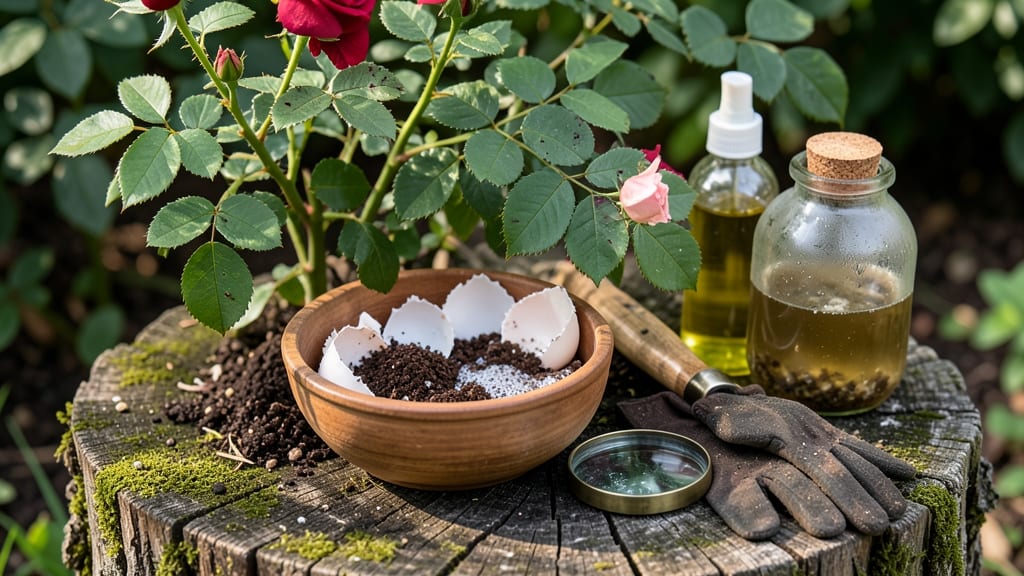
Home remedies for rose bushes don’t need harsh chemicals—just a few kitchen staples and a little elbow grease. 🌿 I’ve saved dozens of struggling bushes with these simple, foolproof remedies that work faster than store-bought sprays and won’t harm your soil or pollinators. The secret lies in targeting the root cause: whether it’s nutrient deficiency, fungal infections, or pests sucking the life out of your plants. A mix of neem oil, baking soda, and garlic spray tackles everything from black spot to aphids, while Epsom salt and coffee grounds restore balance to hungry soil. No fancy equipment needed—just what’s already in your pantry. You’ll see fresh green leaves within 10-14 days of treatment, and your roses will bloom more abundantly than ever. The best part? These remedies cost pennies per application and keep working long after the problem disappears. Works for black spot, powdery mildew, wilting, or yellowing—no matter what’s plaguing your bushes. Let’s get those roses thriving again!
📚 In This Guide
- What you need
- Instructions
- Tips and common mistakes
- Wrapping up and next steps
What you need
- ● Pruning shears or sharp scissors – Clean, sterilized (rubbing alcohol works!), and sharp for precise cuts.
- ● Garden gloves – A pair to protect your hands from thorns and soil.
- ● Watering can or hose with a gentle spray nozzle – For even hydration without damaging leaves.
- ● Organic matter – Compost, well-rotted manure, or leaf mold (1–2 gallons per bush).
- ● Epsom salt (magnesium sulfate) – 1 tablespoon per gallon of water (for nutrient boost).
- ● Baking soda or mild dish soap – 1 teaspoon per quart of water (for fungal issues).
- ○ Neem oil (optional but helpful) – 1 teaspoon per quart of water (for pests and disease prevention).
- ○ Copper-based fungicide (optional) – Follow label instructions (for severe fungal infections).
- ● Mulch (straw, pine needles, or shredded bark) – 2–3 inches thick to retain moisture and suppress weeds.
- ● Fish emulsion or liquid fertilizer – Diluted as directed for a nutrient kick.
- ● Aspirin (acetylsalicylic acid) – 1 crushed tablet per gallon of water (homemade fungicide).
- ● Hydrogen peroxide (3%) – 1 part peroxide to 10 parts water (for sterilizing pruning tools).
- ● Spray bottle – For targeted applications of homemade remedies.
Step-by-Step natural solutions for reviving yellowing rose leaves
Here’s how to diagnose and treat yellowing leaves on roses using simple, garden-safe methods.
🌿 Step 1: Diagnose the Root Cause Before Treating
Yellowing leaves aren’t always the same problem—first, check the pattern. If the yellow starts at the edges and spreads inward, it’s likely overwatering or nutrient deficiency. If the entire leaf turns yellow before falling, you’re dealing with underwatering or root stress. I always run my finger through the soil first: if it’s damp 2+ inches down, hold off on watering.
Look for other clues: blackened stems or mushy roots point to fungal rot, while crispy edges suggest salt buildup from tap water. If the yellowing is paired with small black spots, it’s probably powdery mildew or rust disease. Grab a small trowel to gently dig around the base—healthy roots should be firm and white, not slimy or hollow.
💧 Step 2: Adjust Watering and Improve Soil Drainage
Roses hate soggy feet. If your soil drains poorly, mix in 2-3 inches of coarse sand or perlite around the base to improve aeration. Water deeply once a week (or when the top 4 inches of soil feel dry), delivering 1-2 gallons per bush at the soil line—not the leaves. I use a soaker hose to avoid wetting foliage, which prevents fungal spread.
For salt buildup, flush the soil with rainwater or distilled water until it runs clear from the drainage holes. If your tap water is hard, collect rainwater in barrels for future use. Overwatering is the #1 killer of roses—yellowing leaves often mean roots are drowning. Let the topsoil dry out between waterings, even if it means skipping a week in hot weather.
☀️ Step 3: Feed with Natural Fertilizers for Chlorosis Relief
Yellow leaves often signal iron or nitrogen deficiency. For a quick fix, spray 1 tablespoon of Epsom salt dissolved in 1 gallon of water directly on the leaves every 2 weeks—this boosts magnesium and greens up foliage fast. I also bury 1-2 banana peels (rich in potassium) near the roots monthly to support overall health.
For nitrogen, steep 1 cup of compost tea in 5 gallons of water for 24 hours, then water the base of the plant. Avoid synthetic fertilizers—they can burn roots and worsen yellowing. Instead, top-dress with 2 inches of well-aged compost in early spring and again after flowering. This slow-release organic matter prevents nutrient spikes that stress roses.
✂️ Step 4: Prune Strategically to Redirect Energy
Remove all yellow leaves at their base with clean, sharp pruners—this stops the plant from wasting energy trying to revive dead tissue. Cut back to the nearest healthy green bud or outward-growing branch. If you see blackened canes, prune 6 inches below the damage to encourage new growth from below.
Thin out crowded canes to improve airflow—roses need circulation to dry quickly after rain. I prune on a dry, overcast morning to avoid stressing the plant. After pruning, dust cuts with crushed cinnamon (natural antifungal) to prevent bacterial infections. This step is critical: overcrowded bushes trap moisture and invite disease.
🌱 Step 5: Prevent Future Yellowing with Mulch and Monitoring
Spread 3-4 inches of organic mulch (like straw or wood chips) around the base, keeping it 2 inches away from the stem to prevent rot. Mulch retains moisture, regulates soil temperature, and slowly releases nutrients as it breaks down. Replenish it annually to maintain effectiveness.
Check roses weekly for early signs of stress—catching yellowing before it spreads saves the bush. If you notice pale new growth, it’s time to repeat the Epsom salt spray. Healthy roses should have deep green, glossy leaves with minimal yellowing. Adjust your care routine based on what you observe: more water? Less? The leaves will tell you.
Tips & tricks for reviving rose bushes naturally
Here's what nobody tells you about fixing yellowing leaves without chemicals—these tricks make all the difference.
Diagnosis is Key: In Step 1, when checking soil moisture, press your finger in 2 inches deep—this is where roots actually absorb water. If it feels damp, hold off on watering immediately. I've seen gardeners overwater because they only check the surface, thinking the soil was dry when it wasn't. The pattern of yellowing (edges vs. whole leaf) tells you exactly what's wrong—don't guess!
Watering Wisdom: The once-a-week guideline in Step 2 works best for most climates, but your local conditions matter. In hot summers, I water every 5-6 days with 2 gallons per bush early in the morning. The soaker hose is a game-changer—it delivers water directly to the roots without wetting leaves, which prevents fungal infections that worsen yellowing.
Fertilizer Timing: When you're making that Epsom salt spray in Step 3, use it on a cloudy day to prevent leaf burn from the salt concentration. I also rotate fertilizers seasonally: Epsom salt every 2 weeks in spring, compost tea monthly in summer, and banana peels in fall. This prevents nutrient lockout where one fertilizer overpowers another.
Pruning Precision: In Step 4, never prune when the plant is stressed from drought or extreme heat. The 6-inch rule for blackened canes is critical—it gives the plant enough healthy stem to regrow from. I always sterilize my pruners with rubbing alcohol between cuts to prevent spreading disease through open wounds.
Pro Tips for Home Remedies For Rose Bushes
- Here's what nobody tells you about fixing yellowing leaves without chemicals—these tricks make all the difference.
- Diagnosis is Key: In Step 1, when checking soil moisture, press your finger in 2 inches deep—this is where roots actually absorb water.
- Watering Wisdom: The once-a-week guideline in Step 2 works best for most climates, but your local conditions matter.
Frequently asked questions
Got questions about keeping your rose bushes healthy with natural remedies? Here are some common ones—and their answers!
Why are my rose leaves turning yellow even after using home remedies?
Yellowing leaves can stem from overwatering, nutrient deficiencies, or fungal diseases like black spot. Check the soil moisture (it should be damp but not soggy) and inspect for pests or spots. Adjust care based on the root cause—sometimes a mix of neem oil and Epsom salt helps!
How often should I apply home remedies like baking soda or coffee grounds?
For baking soda spray, use it every 2–3 weeks during growing season (spring/fall) to prevent fungal issues. Coffee grounds can be worked into soil monthly as a slow-release fertilizer, but avoid overdoing it—they acidify soil over time. Always follow up with watering!
Can I use vinegar as a home remedy for roses? How strong should it be?
Yes! A 1:10 dilution (1 part white vinegar to 10 parts water) sprayed on leaves can deter pests and fungi. Avoid using it on hot days or during blooming—vinegar’s acidity can burn tender leaves. Test a small area first, and never use undiluted vinegar.
What if my rose bush doesn’t respond to home remedies?
If yellowing persists despite your efforts, it might be a deeper issue like root rot or soil compaction. Try transplanting to well-draining soil, or consult a local nursery for soil tests. Sometimes, a mix of hydrogen peroxide (3%) (for sterilizing roots) and compost can revive struggling bushes.
Are there any home remedies I should avoid for roses?
Skip harsh chemicals like bleach or undiluted essential oils—they can harm plants. Also, avoid overusing salt (even Epsom salt) without balancing it with organic matter. Never apply remedies when roses are wilting from heat stress or drought; wait until they’re hydrated!
Wrapping up and next steps
Caring for your rose bushes doesn’t have to mean harsh chemicals—simple, natural remedies can bring them back to life! From neem oil sprays to Epsom salt boosts, these DIY solutions tackle yellowing leaves and pests while keeping your garden thriving.
With just a little patience and consistency, your roses will reward you with vibrant blooms and lush foliage.
Now that you’re armed with these easy, budget-friendly tricks, why not pick one remedy and try it this weekend? Grab your gardening gloves and give your roses the love they deserve—your green thumb is closer than you think! 🌸✨