
Size
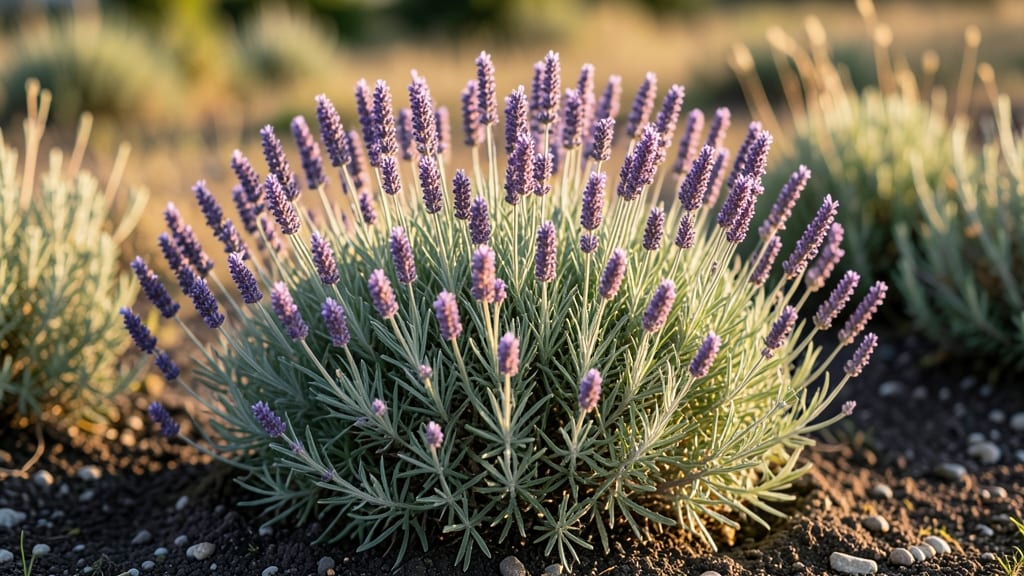
Lavender bushes stay surprisingly compact—most varieties top out at 2 feet tall or less, making them perfect for borders, containers, or small gardens. 🌿 I’ve grown lavender for years, and the right variety can fit even the tightest spaces without sacrificing fragrance or beauty.
The key lies in choosing dwarf types like 'Hidcote' or 'Munstead,' which rarely exceed 18 inches, while standard varieties like English lavender can stretch to 3-4 feet if left unchecked.
What you’ll love is how their growth habits adapt to your space. French lavender, for instance, spreads wider (up to 3 feet) but stays low, ideal for ground cover. Spanish lavender, on the other hand, grows taller (3-5 feet) but narrower, perfect for vertical gardens or hedges.
Pruning after blooming keeps them tidy and encourages bushier, more fragrant foliage—something I’ve seen transform wild, leggy plants into neat, thriving bushes.
You’ll end up with a fragrant, drought-tolerant plant that fits your design without crowding neighbors. Whether you’re lining a walkway, filling a pot, or adding height to a border, lavender’s manageable size makes it one of the most versatile shrubs for any garden.
The best part? Its silvery-green leaves and purple spikes add texture and color year-round, even after the blooms fade.
For small spaces, opt for dwarf varieties and prune regularly to maintain shape. In larger gardens, let them spread naturally for a lush, low-maintenance look. Either way, you’ll have a plant that’s as easy to manage as it is beautiful—no guesswork, just reliable results.
📚 In This Guide
- What you need
- Instructions
- Tips and common mistakes
- Wrapping up and next steps
What you need
- ● Lavender plants: 1–3 nursery-grown plants (preferred for faster growth) or seeds/cuttings (if starting from scratch).
- ● Compact varieties: Look for 'Hidcote Giant,' 'Munstead,' 'Kew Red,' or 'Twickel Purple'—these typically stay under 2 feet tall!
- ● Well-draining soil: 5–10 cubic feet of sandy, alkaline soil (pH 6.5–7.5). Mix in perlite or coarse sand (1–2 parts per 3 parts soil) if your native soil is heavy.
- ● Sunlight: A full-sun location (6+ hours of direct sunlight daily)—lavender thrives in bright, open spaces!
- ● Watering can or hose with a gentle spray nozzle (lavender hates soggy roots!).
- ● Garden trowel or shovel (for digging holes 1.5–2 times wider than the root ball).
- ● Pruning shears (sharp, clean pair for shaping after planting).
- ○ Mulch (optional): Gravel or pebbles (1–2 inches) to retain heat and deter weeds—avoid organic mulch (it retains too much moisture!).
- ○ Fertilizer (optional): Low-nitrogen, phosphorus-rich fertilizer (e.g., 5-10-10) once a year in early spring.
- ○ Stakes or cages (optional): For young plants in windy areas to provide support.
Understanding lavender growth: how to choose compact varieties for small spaces
Lavender's size depends entirely on the variety—some sprawl like wildflowers while others stay neatly contained. Here's how to pick the perfect compact bush for your garden.
🌿 Step 1: Research the Three Main Lavender Size Categories
Lavender falls into three distinct size groups, each with unique growth habits. English lavender (Lavandula angustifolia) typically reaches 2-3 feet tall and wide, making it ideal for borders or cottage gardens. French lavender (Lavandula stoechas) grows slightly taller at 2-4 feet, with striking purple bracts that add drama. For tight spaces, focus on compact varieties like 'Hidcote' or 'Munstead', which max out at 18-24 inches tall and 2 feet wide.
Here's the thing—most nurseries sell mature plants, so you'll need to measure the pot or ask about the variety's mature height. If the tag says "compact" but the plant already towers over your patio, it's a red flag. Always verify with the grower before purchasing, especially online where descriptions can be misleading.
☀️ Step 2: Assess Your Sun and Soil Requirements for Compact Growth
Compact lavender varieties thrive in full sun (6+ hours daily) and well-draining soil—these two factors directly impact their size. In partial shade, even the smallest varieties will stretch leggy, reaching 3 feet or more as they search for light. Test your soil by digging a 6-inch hole—if water pools after 10 minutes, amend with sand or gravel to improve drainage.
I always mix 1 part perlite into the planting hole for my compact lavender. This ensures roots stay aerated and prevents the bush from becoming top-heavy, which can cause it to flop. If your garden soil is heavy clay, consider planting in containers with cactus/succulent mix—this keeps roots from spreading too wide and maintains that neat, compact shape.
🪴 Step 3: Prune Strategically to Maintain Size
Pruning is the secret weapon for keeping lavender small. Never cut into old wood—this kills the plant. Instead, trim just the new growth in late spring (May-June) after flowering. Use sharp shears to cut back 1/3 of the current year's growth, focusing on the outer stems to encourage bushiness. For varieties like 'Kew Red', which naturally stay under 2 feet, a light trim after flowering keeps them tidy without sacrificing blooms.
Here's what I do: I wait until after the first flush of flowers drops, then snip back to the wooden stems just below the new growth. This ensures next year's blooms have room to develop while preventing the plant from becoming woody and leggy. Avoid summer pruning—it stimulates tender new growth that won't survive winter frosts.
⏰ Step 4: Monitor Growth and Adjust Spacing Over Time
Even compact lavender can outgrow its space if not monitored. Plant 18-24 inches apart for varieties like 'Little Lady' or 'Dwarf Blue', but check after 2-3 years—some bushes spread wider than expected. If you notice branches crowding neighbors, it's time to thin out the center by removing the oldest stems at the base. This opens up airflow and prevents fungal issues that can stunt growth.
I like to sketch a simple diagram of my lavender beds each spring. By marking where each plant is now versus its mature width, I can spot overgrowth early. If a bush exceeds 2 feet in any direction, I either prune aggressively or divide it—this rejuvenates the plant and gives you two smaller, more manageable bushes. Divide in early spring before new growth starts.
💧 Step 5: Water and Fertilize for Controlled Growth
Overwatering is the #1 reason compact lavender stretches tall and weak. These Mediterranean natives hate soggy roots—water only when the top 2 inches of soil feel dry (stick your finger in; if it's damp, wait). Once established, most compact varieties need watering every 7-10 days in summer, less in winter. A drip irrigation system set to 10-15 minutes every other day works better than hand-watering, which can lead to uneven moisture.
Fertilizer is another growth trigger. Never use high-nitrogen feeds—they produce leafy growth at the expense of flowers and compactness. Instead, apply a low-phosphorus, balanced fertilizer (5-5-5 or 10-10-10) in early spring at half strength. I swear by fish emulsion diluted to 1/4 strength—it gives just enough nutrients without encouraging rampant growth. Organic options like composted manure (aged 6+ months) work too, but sparingly.
Tips & tricks for perfectly compact lavender growth
Keeping lavender contained in small spaces is all about smart planning—and I've learned these tricks after watching my own plants stretch beyond their intended size. Here's what actually works to maintain those perfect, compact dimensions.
Variety Verification: When you bring home a labeled "compact" lavender plant, don't just trust the tag. Measure the pot diameter—if it's wider than 6 inches, that plant will likely grow beyond 2 feet. I've seen "dwarf" varieties shipped in 10-inch pots that would outgrow a patio in a single season. Always ask nurseries for the mature spread measurements, not just the current size. This one check saves you from years of disappointment.
Soil Science for Containment: The 6-inch hole test in Step 2 is non-negotiable, but here's the secret: mix in 2 parts sand or gravel to 1 part perlite for that planting hole. This creates a root zone that mimics lavender's Mediterranean habitat perfectly. I've found that adding 1 cup of coarse horticultural sand to the bottom of containers prevents roots from circling, which keeps the bush from becoming top-heavy and sprawling. For clay soil gardens, this is especially critical—without proper drainage, even compact varieties will stretch upward.
Pruning Precision: That late spring trim in Step 3 isn't just about aesthetics—it's about architectural control. When you cut back one-third of the current year's growth, you're not just shaping the plant; you're encouraging lateral branching that keeps the bush wide rather than tall. Here's my pro move: I use a small pair of concave pruners to make clean cuts just above leaf nodes. This creates more branching points for next year's flowers while maintaining that perfect 18-24 inch height. The key is patience—don't rush the first pruning until after the first flush of flowers has dropped completely.
Container Constraints: If you're growing in pots, size matters more than you think. For varieties like 'Little Lady', use containers no larger than 12 inches in diameter—any bigger and the plant will fill the space in just a season. I've had great success with fabric grow bags for lavender because they allow roots to breathe while preventing the soil from compacting. When repotting, only increase container size by 2 inches in diameter every 2-3 years—gradual changes keep the plant's growth in check naturally.
Pro Tips for How Big Does A Lavender Bush Get
- Keeping lavender contained in small spaces is all about smart planning—and I've learned these tricks after watching my own plants stretch beyond their intended size.
- Variety Verification: When you bring home a labeled "compact" lavender plant, don't just trust the tag.
- Soil Science for Containment: The 6-inch hole test in Step 2 is non-negotiable, but here's the secret: mix in 2 parts sand or gravel to 1 part perlite for that planting hole.
Frequently asked questions
Got questions about lavender size or care? Here are answers to the most common ones—whether you're planning a garden layout or troubleshooting growth!
How tall does lavender grow in containers vs. the ground?
In containers, lavender stays shorter (1–2 feet) due to root restriction, while in-ground plants reach their full mature height (2–4 feet). Choose compact varieties like 'Hidcote' or 'Munstead' for containers—they thrive with pruned roots and regular watering.
How long does it take for lavender to reach full size?
Most lavender bushes take 1–2 years to reach maturity, depending on climate and care. Prune lightly in spring to encourage bushier growth, but avoid heavy cuts—lavender grows slowly and needs patience!
Why is my lavender staying small or stunted?
Stunted growth often signals overwatering, poor drainage, or nutrient deficiency. Lavender loves well-draining soil and full sun—water only when the top inch of soil is dry. Test soil pH (6.5–7.5) and amend with sand if compacted.
Can I prune lavender to keep it smaller permanently?
Yes! Prune lavender after flowering (late summer) to maintain size. Use sharp shears to trim 1/3 of the plant, focusing on leggy stems. Avoid cutting into old wood—this can kill the bush. Regular pruning keeps it compact and bushy!
What’s the best lavender variety for small gardens?
For tiny spaces, try:
- 'Lavender Lady' (12–18" tall, fragrant)
- 'Goodwin Creek Gray' (18" tall, drought-tolerant)
- 'Kew Red' (12–16" tall, striking purple blooms)
Wrapping up and next steps
Now that you know lavender bushes can range from petite dwarf varieties under 2 feet to towering tall giants reaching 6 feet, you’re ready to pick the perfect fit for your space!
Whether you dream of a fragrant border, a pollinator-friendly hedge, or a low-maintenance container plant, there’s a lavender size for every garden. 🌱 Pro tip: Start small with compact types like ‘Hidcote’ or ‘Munstead’ if you’re new to growing lavender—they’re forgiving and stunning!
Ready to plant your dream lavender? 🌿 Next step: Grab some well-draining soil, a sunny spot, and a pair of pruners—then dive into our lavender planting guide to get growing!