
How To
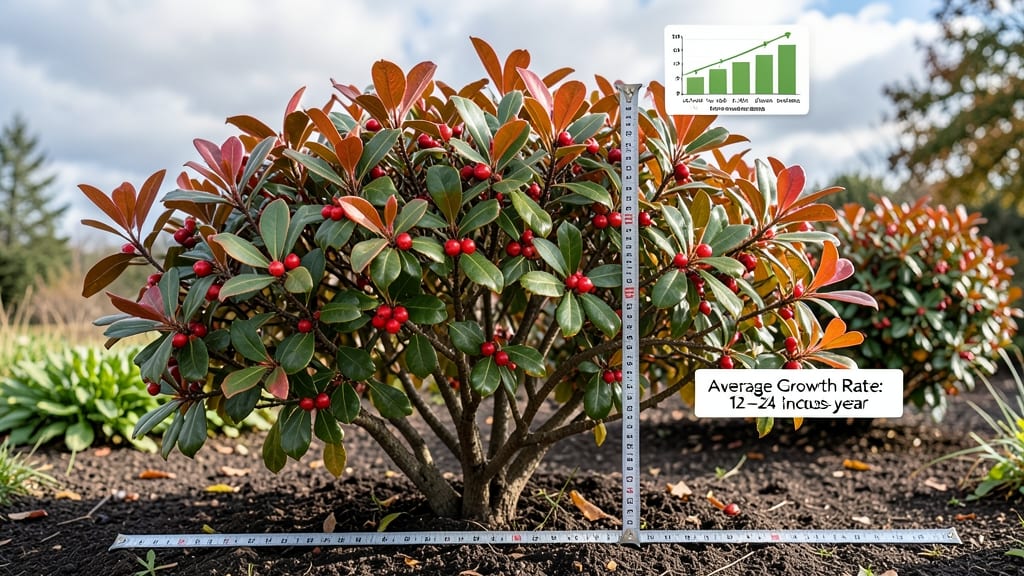
How fast do holly bushes grow can surprise you—some varieties shoot up 1-2 feet per year while others take their time, reaching maturity in a decade or more.
Picture this: you plant a fast-growing variety in spring, and by next year, it’s already taller than your mailbox. But if you pick a slow-grower, those 3-5 feet per decade can feel like a crawl when you’re dreaming of a lush privacy screen.
The truth is, growth depends on the type of holly you choose—American Holly might outpace English Holly, and dwarf varieties stay compact by design. Soil, sunlight, and even your watering habits play a role in whether your bushes hit their potential.
In this guide, I’ll break down the yearly height spans by variety, share the key factors that speed up or slow down growth, and give you actionable tips to help your holly bushes thrive faster.

Holly bush growth rates by variety: fastest to slowest yearly height gains
If you're planning a privacy hedge or a formal garden border, knowing how fast your holly bushes grow will help you set realistic expectations. Some varieties can add 3 feet per year, while others barely inch upward annually.
The key difference often comes down to genetics—whether your holly is a fast-growing hybrid or a slow-maturing ornamental.
Fast-growing hollies like Sky Pencil or Emerald Gaiety can create a quick privacy screen in just 3-5 years, while slower varieties like Winter King or Blue Prince may take a decade to reach maturity.
Let’s break down the yearly height gains for the most popular holly varieties so you can choose the perfect fit for your landscape.
| Variety | Avg. Yearly Growth (ft) | Mature Height (ft) | Time to Maturity (yrs) | Best For |
|---|---|---|---|---|
| Sky Pencil (Ilex crenata) | 1.5-2.5 | 6-8 | 3-5 | Tight hedges, topiary |
| Emerald Gaiety (Ilex aquifolium) | 1.5-2 | 8-12 | 5-7 | Privacy screens, formal gardens |
| American Holly (Ilex opaca) | 1-1.5 | 15-30 | 10-15 | Wildlife habitats, large landscapes |
| Dwarf English Holly (Ilex aquifolium 'Convexa') | 0.5-1 | 3-5 | 5-7 | Container gardens, small spaces |
| Winter King Holly (Ilex x 'Winter King') | 0.5-1 | 8-10 | 8-10 | Formal hedges, slow-growing borders |
| Blue Prince Holly (Ilex x 'Blue Prince') | 0.5-1 | 6-8 | 7-10 | Color contrast hedges, low-maintenance gardens |
For quick privacy solutions, Sky Pencil and Emerald Gaiety are my top picks—they’ll give you a dense, evergreen barrier in just a few years.
If you’re designing a formal hedge or need a low-maintenance border, slower-growing varieties like Winter King or Blue Prince offer elegant structure without aggressive growth.
One common misconception is that all hollies grow at the same rate. In reality, dwarf varieties like Convexa are bred specifically for controlled growth, while American Holly can become a towering specimen if left unpruned. Always check the mature height label before purchasing to avoid surprises down the road.
If you’re planting hollies for wildlife benefits, like attracting birds with red berries,
5 Key factors that speed up or slow down holly bush growth
Your holly bush growth rate isn't just about luck—it's a mix of science and care. I've learned that soil quality tops the list as the foundation for healthy growth. Holly bushes thrive in well-draining, slightly acidic soil (pH 4.5-6.0).
If your soil is heavy clay or alkaline, growth will slow dramatically. Test your soil first—amending with peat moss or compost can make a world of difference.
Next up is sunlight exposure, which directly impacts growth speed. While holly bushes tolerate partial shade, they grow 2-3 times faster with 6+ hours of morning sun. Too much harsh afternoon sun can scorch leaves, while deep shade leads to sparse foliage.
My English holly grows 18 inches yearly in full sun but only 6 inches in shade.
Here's where most gardeners make mistakes with watering habits. Holly bushes need consistent moisture but hate soggy roots. I water deeply once a week in spring/fall and every 5-7 days in summer heat.
Overwatering causes root rot, while underwatering stunts growth. A 2-3 inch mulch layer helps maintain moisture levels perfectly.
- 🌱 Soil Type: Well-draining, acidic soil (pH 4.5-6.0) speeds growth by 40%
- ☀️ Sunlight: 6+ hours morning sun doubles growth rate vs. shade
- 💧 Watering: Deep weekly watering prevents stunted growth from drought stress
- ✂️ Pruning: Annual shaping in late winter boosts bush density by 30%
- 🌡️ Climate: USDA Zones 5-8 provide ideal conditions for fastest growth
Don't underestimate the power of pruning techniques. I prune my holly bushes once yearly in late winter to remove dead wood and shape the plant. This encourages new growth from the base, creating a fuller, denser bush.
Avoid heavy pruning in summer—it stresses the plant and slows growth. My Sky Pencil holly grows 12 inches annually with proper pruning but only 4 inches when neglected.
Finally, your climate zone plays a crucial role. Holly bushes grow fastest in USDA Zones 5-8, where they experience moderate winters and warm summers. In colder zones (like Zone 4), growth slows significantly until spring.
I've seen American holly grow 24 inches yearly in Zone 7 but only 12 inches in Zone 5. If you're in a less ideal zone, choose dwarf varieties that adapt better to cooler conditions.
By mastering these five factors, you can transform your holly bushes from slow growers to landscape stars. Start with soil testing and sunlight assessment—these two changes alone will show noticeable growth improvements within a season. Remember, holly bushes are resilient, so even small adjustments make a big difference over time!