
How To
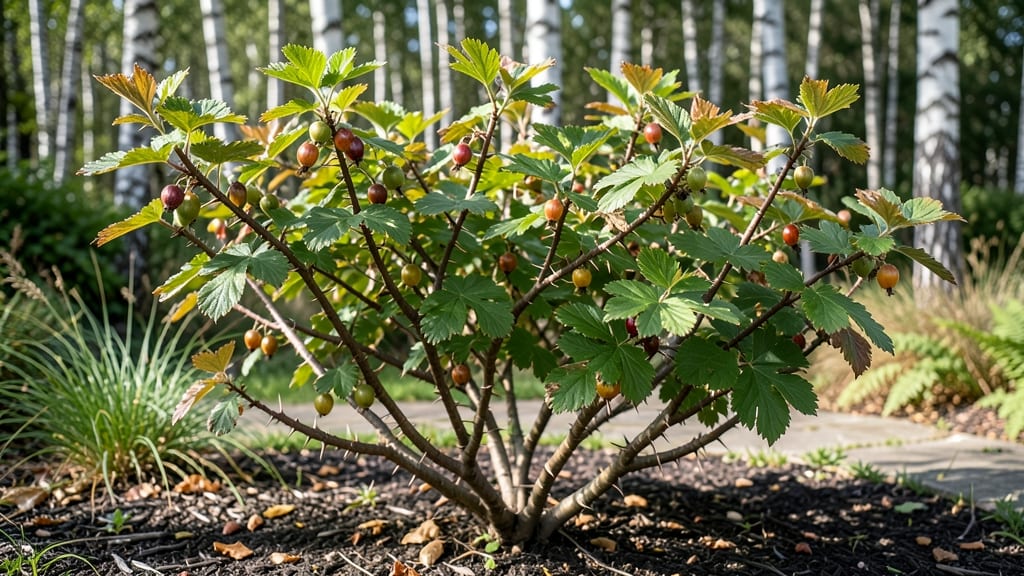
How tall do gooseberry bushes grow? 🫐 They typically reach mature heights of 4 to 6 feet, but their size depends on the variety and how you prune them.
If you're dreaming of a productive backyard or patio garden, gooseberry bushes could be your next favorite plant—but first, you need to know how much space they’ll need to thrive.
These hardy shrubs vary wildly in size, from compact varieties perfect for small spaces to towering giants that need room to sprawl.
Understanding their growth habits helps you plan your garden layout and avoid overcrowding. Some varieties stay as short as 2 to 3 feet, while others reach 6 feet or taller if left unchecked. Pruning plays a key role in controlling their height and encouraging bushier growth.
Below, I’ll break down the height ranges for popular gooseberry varieties, share pruning tips to keep them manageable, and answer common questions about their growth habits. Whether you have a tiny balcony or a spacious yard, there’s a gooseberry bush that fits your space!

Gooseberry bush height by variety: compact vs. tall shrubs
Choosing the right gooseberry variety depends heavily on your garden's available space. Some varieties stay under 3 feet tall, making them perfect for containers or small patios, while others can reach 6+ feet, needing room to sprawl.
Understanding these height differences helps you plan spacing, pruning, and even trellis support for optimal growth and fruit production.
The mature height of a gooseberry bush varies dramatically by variety, with some staying compact while others grow tall and sprawling. For example, the 'Pixwell' variety tops out at just 2-3 feet, while the 'Hinnonmäki Red' can reach 6 feet or more.
This variation means you can grow gooseberries in everything from window boxes to large backyard plots.
Here’s how to visualize the differences—this comparison table breaks down popular varieties by their mature height, growth habits, and ideal planting scenarios to help you pick the perfect fit for your space.
If you’re working with limited space, dwarf varieties like 'Pixwell' or 'Invicta' are ideal because they stay under 4 feet tall and can even thrive in large containers. These varieties produce abundant fruit without taking over your garden, making them perfect for urban or patio gardening.
For larger gardens, taller varieties like 'Hinnonmäki Red' or 'Whinham's Industry' can create a stunning privacy hedge or focal point. Just be prepared to provide support structures like trellises or stakes, as their sprawling growth can reach 6 feet or more.
These varieties also benefit from regular pruning to manage their size and improve airflow.
One common question I hear is whether gooseberry bushes grow faster in height or width. The truth is, they typically grow wider than they do tall, especially in their first few years.
This means even compact varieties can spread 3–4 feet wide, so always account for that when planning your garden layout.
Another key factor is pruning impact. Regular pruning in late winter or early spring can control height and encourage a bushier shape, which is especially useful for taller varieties.
For example, if you have a 'Hinnonmäki Red' bush that’s getting too tall, pruning back 1/3 of the oldest canes each year will keep it more manageable while still producing plenty of fruit.
When choosing a variety, also consider your climate zone. Some taller varieties, like 'Whinham's Industry', are hardier in colder zones (USDA Zones 3–7), while dwarf varieties may struggle in extreme heat without extra care.
Always check the specific variety’s hardiness before planting to ensure it thrives in your area.
Finally, don’t forget that gooseberry bushes take 2–3 years to reach their full mature height. In their first year, they’ll only grow 1–2 feet tall, so patience is key. Planning ahead for their eventual size will save you from overcrowding issues later on.
Now that you know the height differences, you can confidently select the perfect gooseberry variety for your garden—whether you’re dreaming of a compact container plant or a towering backyard shrub! 🌱
How to control gooseberry bush growth for small gardens
Even if you love the idea of growing gooseberries, their natural height can be a challenge in small gardens. Without proper management, standard varieties can easily reach 5-6 feet tall, crowding out other plants and making harvesting difficult.
The good news? With the right techniques, you can keep your gooseberry bushes compact, bushier, and easier to manage—even in tight spaces.
Start by understanding that gooseberry growth is influenced by pruning, spacing, and training. These methods don’t just control height—they also improve airflow, boost fruit production, and make your bushes more manageable.
Whether you’re working with a 3-foot dwarf variety or a 6-foot standard bush, the same principles apply. Let’s break down the steps to keep your gooseberries in check.
Remove dead, diseased, or weak wood first. Then cut back 1/3 of last year’s growth to encourage bushier growth. Focus on outward-facing branches to open up the center.
Give dwarf varieties 3-4 feet of space and standard types 5-6 feet. Crowding leads to taller, leggier growth and poor airflow, which invites pests and disease.
Use a trellis, stake, or wire cage to guide growth upward. This not only saves space but also makes harvesting easier. Tie branches gently with soft plant ties to avoid damaging the stems.
Avoid heavy nitrogen feeds, which promote leafy growth over fruit. Instead, use a balanced 10-10-10 fertilizer in early spring and again after harvesting to encourage controlled, bushier growth.
During the growing season, remove suckers and competing stems to redirect energy to stronger branches. Aim for 5-6 main branches per bush for optimal airflow and sunlight penetration.
One of the biggest mistakes gardeners make is waiting too long to prune. Gooseberries grow quickly in spring, and delaying pruning can lead to unmanageable height. I recommend scheduling a late-winter pruning session (just before buds swell) to set the tone for the season.
This ensures your bushes stay shorter, fuller, and more productive.
For even more control, consider topping the main stems in early summer. Pinching back the tips of new growth by 1/3 encourages branching and prevents the bush from shooting up too quickly. This technique works especially well for standard varieties that tend to grow tall without intervention.
With these techniques, you can enjoy bountiful gooseberry harvests without sacrificing garden space. Even in a small backyard or container garden, a well-managed gooseberry bush can thrive—and who doesn’t love fresh, homegrown berries within arm’s reach? 🌱