
Planting
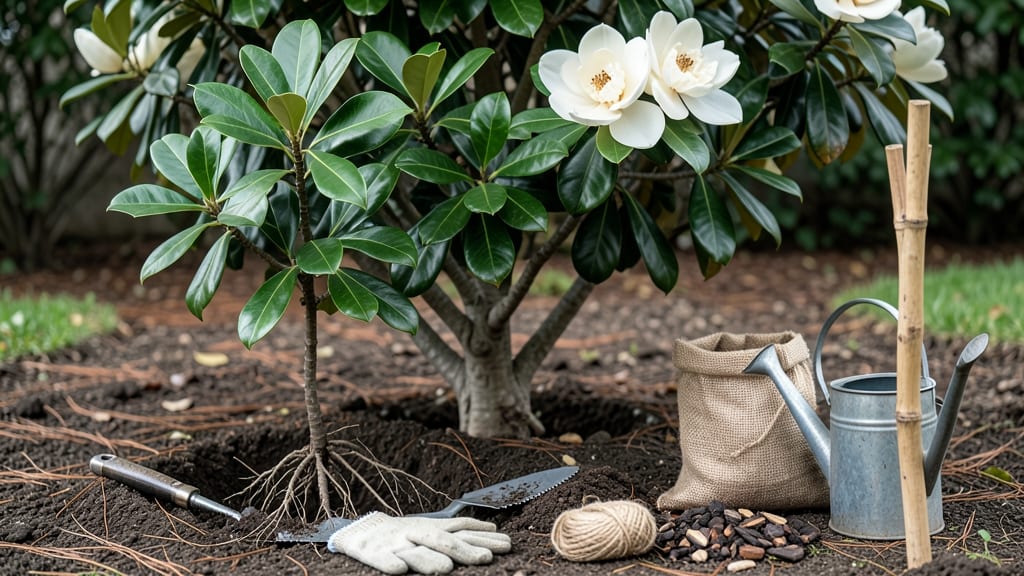
Planting a magnolia bush means year-round fragrance and lush evergreen foliage that outshines most neighbors' yards. 🌿 I learned the hard way that proper planting is what turns a $50 shrub into a $5,000 landscape centerpiece—it's all about soil, location, and timing.
Start with well-draining soil amended with compost (magnolias hate soggy roots), and pick a spot with morning sun and afternoon shade—this protects the delicate blooms from afternoon heat.
Dig a hole twice as wide as the root ball but only as deep, then water thoroughly before planting to settle the soil. After planting, mulch heavily (3-4 inches) to protect roots and retain moisture, then water deeply once a week for the first month.
The first year is critical—too much water or poor drainage will kill even the healthiest nursery stock. With proper care, your magnolia will reward you with scented blooms in spring and glossy leaves all winter long. The key is patience—magnolias grow slowly but live for decades when planted correctly.
📚 In This Guide
- What you need
- Instructions
- Tips and common mistakes
- Wrapping up and next steps
What you need
- ● Magnolia bush: Choose a healthy, container-grown or bare-root sapling (size depends on preference—smaller for quick planting, larger for instant impact).
- ● Shovel or trowel: A garden shovel for digging holes (12–18" wide/deep) or a hand trowel for smaller plants.
- ● Well-draining potting mix or native soil: Mix 50% native soil with 50% compost or peat moss (or use pre-mixed acidic soil for Magnolia grandiflora).
- ● Mulch (2–4 inches): Pine bark, wood chips, or shredded leaves to retain moisture and regulate soil temperature.
- ● Watering can or hose with a gentle nozzle: Avoid blasting the roots—aim for deep, slow watering.
- ○ Gloves (optional but recommended): Protect your hands from thorns (especially Magnolia stellata) and soil.
- ● Slow-release fertilizer: A balanced 10-10-10 or acid-loving plant fertilizer (like Miracle-Gro Azalea, Camellia & Rhododendron) to boost growth.
- ● Soil pH tester: Magnolias thrive in acidic soil (pH 5.0–6.0)—adjust with sulfur if needed.
- ● Plant support (stake): Useful for young or top-heavy varieties (like Magnolia × soulangeana) to prevent wind damage.
- ● Pruning shears: For shaping or removing dead branches post-planting.
- ● Plant tag or marker: Label your magnolia with its variety name and planting date for easy tracking.
Step-by-Step instructions for planting a magnolia bush
Here’s the method I’ve used to establish healthy, fragrant magnolias that thrive for decades.
🪴 Step 1: Choose the Right Location and Prepare the Soil
Magnolias demand full sun to partial shade—at least 6 hours of direct sunlight daily—but younger plants appreciate afternoon shade in hot climates. I always test the spot by observing sunlight patterns for a week before planting. The soil should drain well but retain moisture; magnolias hate soggy roots but need consistent dampness.
Dig a hole twice as wide as the root ball but only as deep as the container’s base. This prevents burying the graft union (visible as a slight swelling near the base of the trunk) too deeply, which can cause rot. Loosen the soil at the bottom of the hole with your hands or a trowel to encourage root spread.
🌱 Step 2: Remove the Magnolia from Its Container and Inspect Roots
Gently squeeze the sides of the container to loosen the root ball before sliding the plant out. If roots are circling tightly, use your fingers to tease them outward—this prevents girdling as the plant matures. Check for any dry, brittle roots or signs of pests; trim damaged sections with clean pruners. Healthy roots should be white or light tan and firm to the touch.
Place the magnolia in the hole so the top of the root ball sits 1-2 inches above ground level. This ensures proper drainage while allowing the soil to settle naturally. Fill the hole halfway with native soil, then water deeply to remove air pockets. The soil should settle about 1 inch as it absorbs moisture.
💧 Step 3: Backfill, Water, and Mulch for Long-Term Health
Add the remaining soil to the hole, pressing lightly around the base to eliminate gaps. Avoid compacting the soil—magnolia roots need aeration to thrive. Once planted, water the area deeply and slowly until moisture seeps 6 inches down into the soil. This encourages roots to grow outward rather than staying shallow.
Spread 2-3 inches of organic mulch (like pine straw or shredded bark) over the root zone, keeping it 6 inches away from the trunk to prevent rot. Mulch conserves moisture, regulates soil temperature, and suppresses weeds—critical for young magnolias still establishing their root systems. Replenish mulch annually as it breaks down.
☀️ Step 4: Provide Support and Monitor for the First Growing Season
Stake the magnolia only if it’s taller than 4 feet or in a windy location. Use two stakes on opposite sides, tied loosely with soft fabric strips to avoid damaging the bark as the trunk thickens. Prune any broken branches immediately, cutting just above a healthy bud or lateral branch to encourage fuller growth.
Water once a week during the first year, providing 1-2 gallons per watering depending on rainfall. You’ll know it’s enough when the soil 2 inches down feels slightly damp but not soggy. Magnolias are drought-tolerant once established, but young plants need consistent moisture to develop strong roots.
⏰ Step 5: Fertilize and Prune for Long-Term Fragrance and Growth
Wait 6-12 months before fertilizing—newly planted magnolias don’t need extra nutrients if the soil was prepared properly. After that, apply a balanced, slow-release fertilizer (like 10-10-10) in early spring before new growth begins. Follow the package rate, but never fertilize in fall or winter—it encourages tender growth that won’t survive cold snaps.
Prune in late winter or early spring to shape the bush and remove dead or crossing branches. Always cut just outside the bud or branch collar to prevent tearing. Avoid heavy pruning—magnolias flower on old wood, so aggressive cuts reduce next year’s blooms. A well-planted magnolia should reward you with fragrant flowers and glossy foliage for decades with minimal intervention.
Tips & tricks for planting a thriving magnolia bush
These insights will help you avoid common pitfalls and ensure your magnolia establishes itself beautifully for decades of fragrant blooms.
Location Intelligence: The 6 hours of sunlight requirement is non-negotiable for most magnolia varieties, but I've found that southern exposures with afternoon shade work best in hot climates. Test your spot for a week before planting—magnolias will tell you if they're happy by how quickly their leaves perk up after transplanting. A slight breeze helps with pollination but avoid windy spots that can stress young plants.
Root Care Technique: When teasing out circling roots in Step 2, work gently but firmly—think of it like untangling headphones. I always look for the graft union (that slight swelling near the base) to ensure it sits just above soil level. This prevents rot while allowing the plant to anchor properly. If you find mushy or blackened roots, trim them immediately with sterilized pruners to prevent disease.
Watering Wisdom: The deep watering technique in Step 3 isn't just about quantity—it's about quality. Water should penetrate 6 inches, but don't let it pool around the base. I use a rain gauge to measure weekly waterings during the first year, aiming for 1-2 gallons each time. The soil should feel like a damp sponge 2 inches down—not soggy, not dry. This establishes deep roots that will support your magnolia for decades.
Mulch Mastery: That 2-3 inch layer of organic mulch isn't just decoration—it's a protective blanket. I always keep it 6 inches from the trunk to prevent rot, and I replenish it annually as it breaks down. Pine straw works beautifully in southern climates, while shredded bark handles cooler regions better. The key is maintaining consistent moisture while regulating soil temperature—critical for young roots establishing themselves.
Pro Tips for Plant A Magnolia Bush
- These insights will help you avoid common pitfalls and ensure your magnolia establishes itself beautifully for decades of fragrant blooms.
- Location Intelligence: The 6 hours of sunlight requirement is non-negotiable for most magnolia varieties, but I've found that southern exposures with afternoon shade work best in hot climates.
- Root Care Technique: When teasing out circling roots in Step 2, work gently but firmly—think of it like untangling headphones.
Frequently asked questions
Got questions about planting your magnolia bush? You’re not alone! Here are some of the most common concerns—and their easy, expert-backed answers—to help you grow a stunning, fragrant magnolia with confidence.
When is the best time to plant a magnolia bush?
Plant your magnolia in early spring or fall for ideal results. These seasons offer mild temperatures and moist soil, giving roots time to establish before extreme weather. Avoid planting during summer heat or winter frost—both can stress young plants. If you must plant in summer, water deeply and shade the area temporarily to protect roots.
How much sunlight does a magnolia bush need?
Most magnolias thrive in full sun (6+ hours daily), but some varieties (like Magnolia grandiflora) tolerate partial shade. If planting in a shady spot, choose a shade-tolerant variety (e.g., Magnolia stellata). Too little light? Expect sparse blooms and leggy growth. Too much harsh afternoon sun? Mulch around the base to retain moisture and protect roots.
What’s the best soil for a magnolia bush?
Magnolias love well-draining, slightly acidic soil (pH 5.0–6.5). Amend heavy clay with compost or sand, and mix in organic matter for fertility. Avoid soggy soil—magnolias hate "wet feet." If your soil is alkaline, add sulfur or peat moss to lower the pH gradually. A simple soil test kit can help you adjust pH before planting.
How often should I water a newly planted magnolia?
Water deeply 2–3 times per week for the first year, ensuring the root ball stays moist (but not waterlogged). After establishment, water 1–2 times weekly, depending on rainfall. Pro tip: Use a soaker hose or drip irrigation to deliver water slowly at the base—avoid wetting leaves to prevent fungal diseases like powdery mildew.
Why aren’t my magnolia leaves turning green?
Yellow or pale leaves often signal nutrient deficiency, poor drainage, or overwatering. Check soil moisture—soggy roots cause yellowing. Amend soil with compost or a balanced fertilizer (like 10-10-10) in early spring. If leaves are purplish, your soil may be too alkaline. Test pH and adjust with sulfur or pine needles if needed.
Can I grow a magnolia bush in a container?
Yes! Dwarf varieties (like Magnolia ‘Little Gem’) thrive in containers with 5+ gallons of space. Use a well-draining potting mix with perlite, and repot every 2–3 years. Place the container in a spot with morning sun and afternoon shade. Warning: Containers dry out faster—water regularly and fertilize monthly during growing season.
How do I protect my magnolia from pests?
Magnolias are generally pest-resistant, but watch for scale insects, spider mites, or deer. Spray leaves with water to deter mites, and use neem oil for scale. For deer, plant near deer-resistant companions like boxwood or use repellent sprays. Prune damaged branches promptly, and avoid over-fertilizing—weak plants attract pests.
Wrapping up and next steps
Planting a magnolia bush is a rewarding journey that brings beauty, fragrance, and lasting charm to your garden. By choosing the right variety, preparing the soil, and providing consistent care, you’ll nurture a stunning evergreen that thrives for years. Now’s the time to roll up your sleeves—your fragrant magnolia awaits!
Ready to watch your garden transform? Start by marking your spot, gathering your tools, and following the steps with confidence. With patience and love, your magnolia will soon become the centerpiece of your outdoor sanctuary. 🌿✨