
Pruning
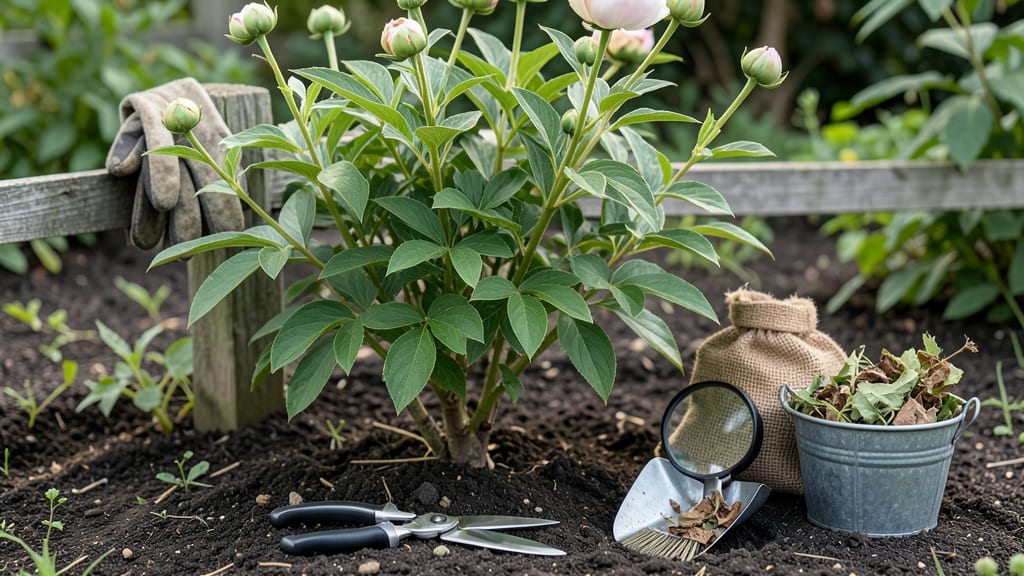
How to trim a peony bush late-winter pruning turns your peony bush into a fragrant powerhouse—but timing and technique make all the difference. ✂️ I’ve watched peonies go from scraggly to showstopping just by following these three simple rules: cut at the right time, use the right tools, and never trim above the buds. The result? Larger blooms and healthier stems that last for decades.
You’ll need just a few tools: sharp bypass pruners, clean gloves, and a bucket for clippings. The best time to prune is after the first hard frost but before new growth starts—typically February or early March in most climates.
This timing prevents disease and gives the plant energy to focus on blooms, not recovery. Avoid pruning in fall or early spring, when buds are still dormant.
Once you’re ready, cut each stem back to 1-2 inches above the ground, leaving the new buds intact. The goal is to remove dead or weak stems while preserving the bush’s natural shape.
You’ll notice fresh, vibrant green shoots within 2-3 weeks, signaling the plant is ready for spring’s big bloom push.
Peonies are forgiving, but a few mistakes can set you back: cutting too high (above the buds), pruning in wet weather, or using dull tools. Stick to these steps, and your bush will reward you with garden-center-worthy blooms by late May or June—no fancy fertilizers required.
📚 In This Guide
- What you need
- Instructions
- Tips and common mistakes
- Wrapping up and next steps
What you need
- ● Bypass pruners – Choose a pair with sharp, clean blades (4-6 inch blades work best). Pro tip: 💡 Sterilize them with rubbing alcohol to prevent disease spread!
- ● Loppers – For thicker stems (1.5–2 inches in diameter). Opt for bypass loppers for cleaner cuts.
- ● Garden gloves – Heavy-duty, long-cuffed gloves to protect against thorns and debris.
- ● Rake or garden fork – To clear away fallen leaves and debris around the base.
- ● Disinfectant spray – A 10% bleach solution (1 part bleach to 9 parts water) to clean tools between cuts.
- ● Pruning saw – For any stubborn, woody stems that pruners can’t handle.
- ● Garden twine or labels – If you’re pruning multiple bushes and want to mark them for future reference.
- ● Compost bin or bag – To collect pruned stems for composting (avoid composting diseased foliage).
- ● Choose a dry, sunny day to minimize sap oozing and disease risk.
- ● Wait until late winter or early spring (after the ground thaws but before new growth starts).
- ● Wear comfortable clothing—long sleeves and pants to shield against thorns!
Step-by-step guide to trimming a peony bush
Late-winter's the perfect time to refresh your peony—here's how to do it right.
⏰ Step 1: Time Your Pruning Perfectly
Wait until after the first hard frost but before new growth starts—typically February through early March. This timing ensures you're cutting back dead foliage while protecting the dormant buds that will produce next year's blooms. You'll know it's the right moment when the stems feel dry and crispy to the touch, and the ground is still frozen or barely thawed.
If you prune too early, you risk cutting off emerging buds. If you wait too long, the plant may already be sending up new shoots. I always mark my calendar with the last frost date and schedule pruning 4-6 weeks later—this gives me a clear window to work without rushing.
✂️ Step 2: Gather Your Tools and Prepare
You only need two things: clean, sharp bypass pruners and a bucket for the clippings. I use sterilized pruners (wipe with rubbing alcohol between plants) to prevent spreading disease. Avoid hedge trimmers—they tear stems and leave jagged cuts that invite rot.
Put on gloves if you're sensitive to sap or thorns. The peony's foliage can be prickly, and the sap might irritate skin. Work on a dry day when the ground isn't muddy—wet conditions make cleanup harder and can spread disease through tools.
🌿 Step 3: Cut Back the Foliage to the Ground
Remove all the previous year's dead stems by cutting them back to the soil line. Don't leave any stubs—peonies grow from their base, and leftover stems can harbor pests or diseases. You'll see the thick, woody stems with multiple "eyes" (buds) at the base where next year's blooms will emerge.
Here's the thing—don't panic if the bush looks completely bare. Peonies store energy underground in their roots, and they'll push fresh growth from those buds once temperatures warm. I always step back after pruning to admire the clean lines and imagine the blooms to come.
☀️ Step 4: Inspect for Damage and Clean Up
Look for any signs of disease (black spots, mold) or pest damage (chewed stems, holes). Remove and discard any infected stems immediately—don't compost them. Healthy stems should be dry and hollow inside when you cut them open with your pruners.
Rake up and dispose of all the clippings. While peony foliage is disease-free, it's best not to leave old plant matter in the bed. This prevents pests from overwintering and keeps your garden tidy. I like to add the clippings to my compost pile if they're completely healthy.
🪴 Step 5: Mulch and Fertilize for Spring Growth
Spread a 2-3 inch layer of mulch around the base of the plant, keeping it 6 inches away from the stems to prevent rot. I use shredded hardwood mulch because it breaks down slowly and improves soil structure over time. This protects the roots from extreme temperature swings and retains moisture.
Now's also the time to add a balanced fertilizer (like 10-10-10) around the drip line. Lightly scratch it into the top inch of soil—don't apply it directly to the stems. Water the area thoroughly to help the nutrients settle into the root zone. You'll see new shoots emerge within 3-4 weeks, signaling the plant is ready to bloom.
Tips & tricks for perfect late-winter peony pruning
These simple tricks will help you prune your peony like a pro—so you get the most vibrant blooms next season.
Timing is Everything: The February through early March window is critical because peonies are still dormant but not yet sending up new growth. I check for that crispy stem texture and frozen ground as my go-to signs. If you're unsure about your last frost date, set a reminder for 4-6 weeks after—this gives you that perfect margin. Confession: I skipped this once and cut too early, only to see new shoots emerge from the base. Not a dealbreaker, but it delayed blooming by a week!
Tools That Make All the Difference: Never use hedge trimmers—they crush stems and create jagged cuts that invite disease. I sterilize my bypass pruners with rubbing alcohol between cuts to keep everything clean. Pro tip: If you don't have gloves, wrap your hands in a towel—the peony's sap can be surprisingly irritating. I also keep a small bucket nearby to catch clippings immediately, which makes cleanup so much easier later.
The Visual Cue for Perfect Pruning: When cutting back to the soil line in Step 3, look for those thick, woody stems with multiple "eyes" or buds at the base. These are your future blooms! I like to count the buds—I aim for at least 3-5 per stem for the best display. Don't panic about the bare look afterward; peonies are storing energy underground, and you'll see fresh growth within weeks. Real talk: The first time I pruned, I overcut and nearly removed some buds. Now I measure from the base rather than guessing.
Mulching Magic: That 2-3 inch layer of mulch isn't just decoration—it's insulation for your peony's roots. I use shredded hardwood because it breaks down slowly and improves soil over time. The key is keeping it 6 inches away from the stems to prevent rot. After mulching, I give everything a good watering to help settle the nutrients from the 10-10-10 fertilizer into the soil. You'll see those first green shoots in 3-4 weeks, and that's your reward for doing it right!
Pro Tips for Trim A Peony Bush
- These simple tricks will help you prune your peony like a pro—so you get the most vibrant blooms next season.
- Timing is Everything: The February through early March window is critical because peonies are still dormant but not yet sending up new growth.
- Tools That Make All the Difference: Never use hedge trimmers—they crush stems and create jagged cuts that invite disease.
Frequently asked questions
Got questions about peony pruning? You’re not alone! Here are answers to the most common concerns—so you can trim with confidence and keep your peonies thriving.
When is the worst time to trim a peony bush?
Never prune in fall or spring after new growth appears. Late winter (just before buds swell) is ideal—cutting too early leaves stems vulnerable to frost, while spring pruning risks removing blooms. Wait until early March in most zones for the best results!
Do I need special tools to trim peonies?
Nope! A sharp pair of bypass pruners or clean garden shears work perfectly. Skip hedge trimmers—they can damage stems. Just ensure your tools are sterilized (rubbing alcohol wipe) to prevent disease. A small brush or broom helps clear debris afterward!
What if my peony bush didn’t bloom last year—should I cut it back harder?
Over-pruning isn’t the fix! Peonies often skip blooming due to age (older bushes bloom better) or overcrowding. Instead, focus on:
- Thinning crowded stems (3–5 strongest per plant).
- Ensuring full sun (6+ hours/day).
- Watering deeply after pruning to reduce stress.
Can I shape peonies into a hedge or topiary?
Peonies hate heavy shaping! Their woody stems can’t regenerate like shrubs, so avoid aggressive cuts. For a neat look, lightly trim straggly stems to the base in late winter—but skip the shears after blooms. Let them grow naturally for those iconic, lush flowers!
Why do my peony stems look mushy or rotten after pruning?
Mushy stems signal fungal disease (like botrytis) or overwatering. To fix it:
- Remove all diseased stems immediately (don’t compost them!).
- Space plants 2–3 feet apart for airflow.
- Avoid wetting foliage when watering.
- Apply copper fungicide if issues persist.
Wrapping up and next steps
Trimming your peony bush in late winter isn’t just about tidying up—it’s your secret to showstopping blooms and a healthier plant. By following these steps, you’ll encourage lush foliage, vibrant flowers, and years of fragrant beauty. Now that you’re armed with the know-how, grab those shears and get pruning! 🌸✂️
Ready to take it further? Plan your spring garden tasks—like mulching, fertilizing, or even adding companion plants—to keep your peony thriving all season long!