
Pruning
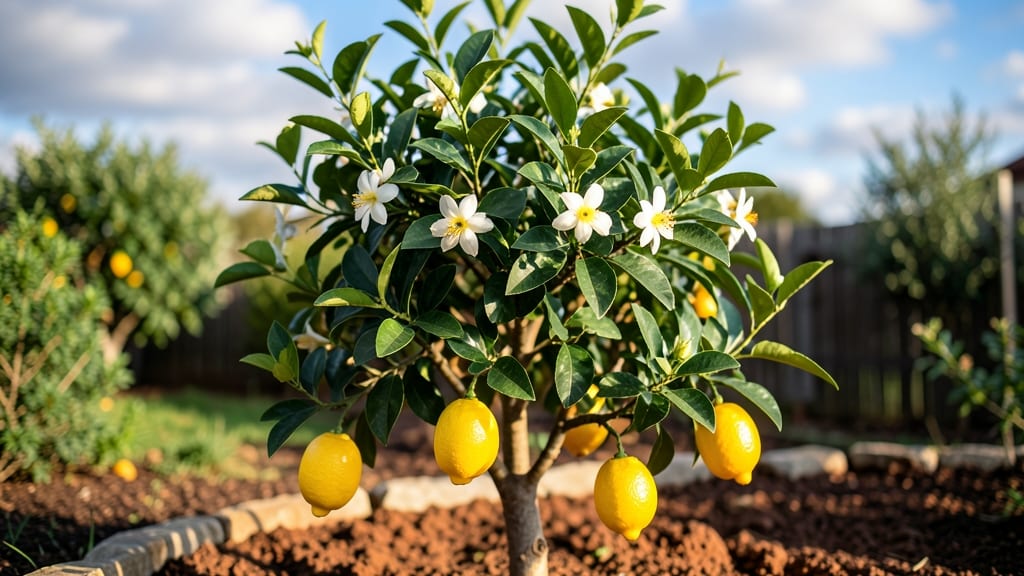
My lemon bush care routine starts with one simple rule: prune like you mean it—because those thick, glossy leaves and zesty fruit don’t happen by accident. ✂️ Over the years, I’ve learned that aggressive pruning in early spring forces the plant to focus energy on new growth and blooms, not just random branches.
The payoff? A bush that looks like a lush, sunlit sculpture and produces lemon after lemon instead of a few sad ones.
You’ll need sharp pruners, a 3-gallon pot (or more for outdoor plants), and a sunny spot—6+ hours of light daily. Lemon bushes hate soggy roots, so well-draining soil is non-negotiable.
Feed them every 4-6 weeks with citrus-specific fertilizer, and water when the top inch of soil feels dry. The key? Less is more—overwatering kills these drought-tolerant plants faster than anything.
By summer, you’ll see the difference: dense foliage, white blossoms, and—if you’re lucky—tiny lemons forming. Prune again after harvest to shape the bush, and watch it bounce back with new vigor.
The first year is about building structure; after that, it’s all about harvests that make your kitchen smell like a Mediterranean market.
Works indoors near a south-facing window or outdoors in zones 9-11 (with winter protection). For colder climates, pot it up and bring it inside before frost.
The secret? Prune early, feed often, and never let it sit in wet soil—that’s all it takes to turn a struggling bush into a lemon-producing powerhouse.
📚 In This Guide
- What you need
- Instructions
- Tips and common mistakes
- Wrapping up and next steps
What you need
- ● Pruning shears or loppers – Sharp, sterilized tools (alcohol wipe works!) to avoid spreading disease. Choose bypass pruners (not anvil-type) for clean cuts.
- ● Gloves – Heavy-duty gardening gloves (citrus thorns are no joke! 😅). Opt for nitrile-coated for grip and protection.
- ● Disinfectant solution – 1 part bleach to 9 parts water (or 70% isopropyl alcohol) to sterilize tools between cuts.
- ● Rake or broom – For clearing fallen leaves/debris post-pruning (keeps pests away!).
- ○ Pruning sealant (optional but helpful) – A tree wound sealant (like Tanglefoot) to protect large cuts from infection.
- ● Ladder or step stool – If your lemon bush is taller than 6 feet (safety first! 🚧).
- ● Sharpie or marker – To label cuts if you’re experimenting with training shapes.
- ● Compost or mulch – To replenish nutrients after pruning (bonus for root health!).
- ● Spray bottle with water – Keeps tools clean and dust-free between cuts.
Step-by-Step guide to pruning your lemon bush for maximum fruitfulness
Here’s how I keep my lemon bush thriving with bigger harvests and healthier growth—no guesswork involved.
✂️ Step 1: Time Your Pruning for Optimal Growth
Prune your lemon bush late winter or early spring, just before new growth begins. This is when the plant naturally enters its active cycle, and fresh cuts encourage vigorous spring flushes. Avoid pruning in fall or winter—you’ll risk exposing tender wood to cold damage or encouraging late-season growth that won’t harden off before frost.
Look for dormant branches (no leaves, no buds) and dead or crossing stems—these are your first targets. Use sharp, clean pruners to make cuts at a 45-degree angle, about ¼ inch above a leaf node or outward-facing bud. This angle helps water run off the cut and prevents rot.
☀️ Step 2: Open the Canopy for Better Airflow and Sunlight
Lemon bushes need 6-8 hours of sunlight daily, and proper pruning ensures every leaf gets its share. Start by removing 20-30% of the plant’s total growth—this isn’t about drastic cuts, but about strategic thinning. Focus on inner branches that crowd the center, where sunlight and air struggle to reach.
You’ll see thicker foliage in the middle of the bush—these are the branches to trim. Cut back to stronger, outward-growing stems to create an open, vase-like shape. This isn’t just about aesthetics; better airflow reduces fungal diseases like powdery mildew, which can devastate fruit production.
🌿 Step 3: Encourage Fruitful New Growth with Strategic Cuts
Next, prune back any overly long or leggy branches to 12-18 inches from the main stem. These cuts stimulate lateral branching, which is where most of your fruit will form. Lemon bushes naturally grow upright, but shortening vertical stems forces the plant to put energy into horizontal growth—more branches mean more potential fruit.
Watch for water sprouts (thin, fast-growing shoots with no leaves) and suckers (shoots growing from the base). These steal energy from fruit production—cut them off at the base immediately. You’ll know you’re doing it right when you see new green buds forming within 2-3 weeks of pruning.
💧 Step 4: Post-Pruning Care for a Strong Recovery
After pruning, water deeply to help the plant recover. Lemon bushes are drought-tolerant once established, but new cuts need moisture to heal properly. Water at the base, not the leaves, to avoid fungal issues. You’ll know the soil is right when the top 2 inches feel moist but not soggy.
Apply a balanced citrus fertilizer (high in nitrogen for foliage, but not too much—too much nitrogen delays fruiting). I use a 10-10-10 formula every 6-8 weeks during the growing season. Avoid heavy fertilizing right after pruning—let the plant focus on root and shoot growth before pushing fruit production.
⏰ Step 5: Monitor and Adjust for Continuous Blooms
Lemon bushes bloom best when they get consistent care. After the initial prune, lightly trim again in mid-summer to remove any overly vigorous growth that might shade out new flowers. Look for small, white blossoms—these are your fruit precursors. If you see fewer than expected, your bush may need more sunlight or a light prune to encourage new flushes.
Here’s the thing—don’t over-prune. A well-maintained lemon bush should always have some bare branches to catch sunlight, but too much cutting reduces fruit potential. Aim for 3-4 main branches with secondary limbs radiating outward. You’ll know you’ve got it right when your bush looks full but open, with sunlight reaching the center and flowers appearing regularly.
Tips & tricks for pruning your lemon bush like a pro
Took me years to figure out these secrets—your lemon bush will thank you with bigger harvests and healthier growth.
Timing Secret: The late winter or early spring timing in Step 1 is critical because this aligns with the plant's natural growth cycle. If you're in a warmer climate where winters are mild, aim for February or early March—just as you see the first hints of new buds forming. I've seen friends prune too early in cold climates, and their bushes struggled to recover before spring really kicked in. The key is to prune when the plant is ready to grow but hasn't yet started actively pushing new shoots.
Tool Upgrade: Don't just grab any pruners—your tools make all the difference. I invested in a pair of bypass pruners with a 45-degree cutting angle (like Felco F-2), and it changed my pruning game. These clean cuts heal faster and are less likely to tear the bark. Always sterilize your tools with rubbing alcohol between cuts to prevent spreading disease. For thicker branches, I use a pruning saw—never try to force small pruners on branches thicker than your thumb!
Visual Cues for Step 2: When opening the canopy in Step 2, look for branches that are crossing or rubbing against each other—these create wounds where diseases can enter. Also watch for branches growing straight back into the center of the bush; these are prime candidates for removal. Think of it like giving your bush a haircut—you want to create a shape where sunlight can reach all the leaves. I like to step back and take photos before and after pruning to visualize the improvement in airflow.
Post-Pruning Recovery: After your deep pruning, the plant will look dramatic—like you've taken too much off! But don't panic. The 2-3 week window mentioned in Step 3 is when the real magic happens. During this time, I do a light misting of the leaves in the morning to reduce stress, but I focus on keeping the soil consistently moist at the base. The new growth you'll see emerging is your reward for proper technique—it's like watching your bush come back to life right before your eyes.
Pro Tips for Lemon Bush Care
- Took me years to figure out these secrets—your lemon bush will thank you with bigger harvests and healthier growth.
- Timing Secret: The late winter or early spring timing in Step 1 is critical because this aligns with the plant's natural growth cycle.
- Tool Upgrade: Don't just grab any pruners—your tools make all the difference.
Frequently asked questions
about lemon bush care—because even citrus experts have their moments! Here are answers to the most common pruning and maintenance questions to keep your lemon bush thriving.When is the best time to prune my lemon bush?
The ideal time to prune is late winter or early spring (before new growth starts) or right after harvest in fall. Avoid heavy pruning during hot summers or cold winters, as this stresses the plant. Light shaping can be done year-round, but major cuts should wait for dormant seasons.
How much can I prune my lemon bush without harming it?
You can safely remove up to 25-30% of the plant’s foliage in one session. Focus on dead, diseased, or crossing branches first, then thin out crowded areas to improve airflow. Avoid over-pruning—your lemon bush will reward you with more blooms and fruit, not less!
Why aren’t my lemon blooms turning into fruit?
If blooms drop without fruiting, it’s often due to stress (over/under-watering, extreme temps) or nutrient imbalance (lack of phosphorus/potassium). Ensure your plant gets 6+ hours of sunlight daily and fertilize with a citrus-specific blend in early spring. Hand-pollinate flowers with a soft brush if bees are scarce!
Can I grow a lemon bush indoors, and how does pruning differ?
Yes! Indoor lemon bushes thrive near south-facing windows or under grow lights. Prune similarly, but reduce cuts by 50%—indoor plants grow slower. Watch for leggy growth (stretched branches) and prune to encourage bushier shapes. Use a small fan to mimic outdoor airflow and prevent fungal issues.
What should I do if my lemon bush leaves turn yellow?
Yellow leaves usually signal overwatering, nutrient deficiency, or root rot. Check soil moisture (it should be dry 1-2 inches down) and repot if roots smell sour or look mushy. Feed with a balanced citrus fertilizer every 4-6 weeks. If pests (like spider mites) are present, treat with neem oil or insecticidal soap.
Are there low-maintenance lemon bush alternatives for small spaces?
If pruning feels overwhelming, try dwarf Meyer lemon trees (stay under 6 ft tall) or lemon verbena (fragrant, no fruit but easy care). For no-prune options, consider calamondin or limequat—they’re hardy, compact, and produce fruit with minimal upkeep. Just ensure they get bright light!
Wrapping up and next steps
Caring for your lemon bush is a rewarding journey that yields fragrant blooms and juicy fruit year-round! With the right tools, timing, and techniques—like strategic pruning—you’ll encourage a thriving, productive plant. Remember, consistency is key: trim regularly, monitor growth, and stay patient as your lemon bush flourishes.
Ready to harvest the sweet rewards? 🍋 Start small—prune just one branch this week, then build your confidence. Before you know it, your lemon bush will be bursting with life, and you’ll be sipping fresh lemonade straight from your garden! Happy pruning!