
Shrubs
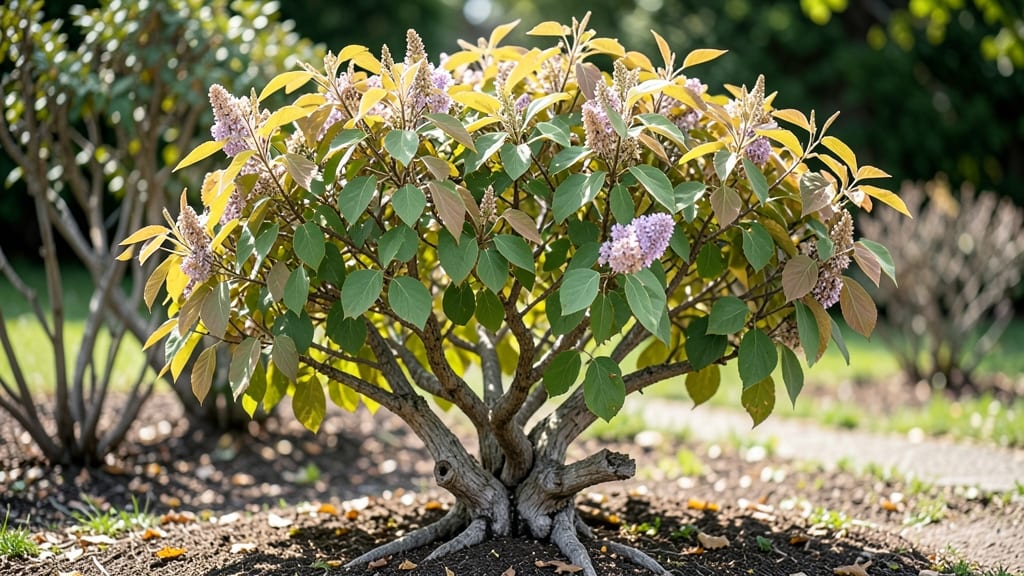
Fall is the perfect time to prune lilac bushes for next year’s showstopping fragrance. 🌿 I’ve learned that skipping this step means weaker blooms and leggy growth—but getting it right transforms your shrub into a fragrant powerhouse by spring.
The key is timing: wait until after blooming, but before hard frost strikes.
You’ll need sharp pruning shears, a clean bucket for clippings, and a clear day to work. The goal is to remove about one-third of the oldest wood while shaping the bush.
Cut just above a bud or branch junction, and avoid cutting into old wood—it won’t regrow. This isn’t just about looks; it’s about encouraging next year’s flower buds to form properly.
After pruning, give your lilacs a final check for pests or disease. Remove any dead or diseased branches immediately, and consider applying a light layer of mulch to protect roots from winter’s chill. By spring, you’ll notice stronger stems, more blooms, and that signature lilac scent filling your yard.
Works for zones 3-8, but adjust timing slightly if you’re in a mild climate. Early pruning in cooler regions can stimulate new growth that won’t harden off before winter. Now, grab those shears—your future blooms will thank you!
📚 In This Guide
- What you need
- Instructions
- Tips and common mistakes
- Wrapping up and next steps
What you need
- ○ Pruning shears: Sharp, bypass-style shears (for clean cuts on smaller stems). Optional: Loppers (for thicker branches, ½"–1" diameter).
- ● Gloves: Heavy-duty garden gloves (to protect hands from thorns and sap).
- ● Disinfectant: 70% isopropyl alcohol or a 1:10 bleach-water mix (to sterilize tools between cuts).
- ● Pruning saw: (For branches thicker than 1" diameter).
- ● Trash bags or bucket: For collecting pruned branches (1–2 large bags or a 5-gallon bucket).
- ● Rake or leaf blower: (To clear fallen leaves/debris post-pruning).
- ● Hand pruners: Compact shears for precision trimming (great for tight spaces).
- ● Knee pads: For comfort if you’re kneeling frequently.
- ● Marking twine or flags: To label branches for specific cuts (if planning complex pruning).
- ● Compost bin access: To recycle pruned branches as mulch or compost.
How to prune lilac bushes in fall for next year’s best blooms
Fall is the perfect time to shape your lilacs—here’s how to do it right for stronger growth and more fragrance next spring.
🌿 Step 1: Wait for the Right Time
Prune lilacs 4-6 weeks after they finish blooming, ideally in late September or early October. This timing ensures you don’t cut off next year’s flower buds, which form on last year’s growth. If you prune too early, you risk removing next season’s blooms entirely.
Look for brown, spent flower clusters and new leaves that have stopped growing—these are your cues. Avoid pruning after mid-October in colder climates, as new growth won’t harden off before winter.
✂️ Step 2: Remove Dead, Weak, or Crossing Branches
Start by cutting out any dead, diseased, or damaged branches at the base with clean, sharp pruners. Next, remove crossing branches that rub against each other—these create wounds and invite pests. Thin out overcrowded stems to improve airflow and sunlight penetration.
I always prune just above an outward-facing bud to encourage the bush to fill out. Avoid cutting back to bare wood—this can stress the plant. If a branch is completely dead, cut it all the way to the ground.
🌱 Step 3: Shape the Bush for Airflow and Light
Lilacs thrive when they get good airflow and sunlight, so thin out the center to open up the bush. Remove up to one-third of the oldest stems at the base—these are the thickest, woodiest branches. This rejuvenates the plant and encourages younger, more vigorous growth.
Step back often to check your work. The goal is a rounded, open shape with no dense clusters. Avoid heavy pruning—lilacs bloom on old wood, so drastic cuts reduce next year’s flowers.
💧 Step 4: Clean Up and Protect for Winter
After pruning, rake up and dispose of all clippings—never leave them under the bush, as they can harbor pests and diseases. If you notice any sawdust-like frass (a sign of borers), treat the cuts with pruning paint to prevent infection.
Give the bush a deep watering to help it recover before winter. Mulch around the base with 2-3 inches of organic mulch (like shredded bark) to insulate roots and retain moisture. This protects lilacs in colder climates from freeze-thaw cycles.
⏰ Step 5: Plan for Spring Maintenance
Mark the pruned areas with flagging tape or a small stake so you remember where you cut. In early spring, before buds swell, do a quick check for dead or weak branches that may have missed last fall’s pruning.
Lilacs bloom on old wood, so avoid heavy pruning in spring—just remove any stubborn deadwood and shape lightly if needed. The key is patience: with proper fall pruning, your lilacs will reward you with stronger stems and even more fragrant blooms next year.
Tips & tricks for perfect late-season lilac pruning
Here's what nobody tells you about getting your lilacs ready for winter—and why it matters so much for next year's blooms.
Timing is Everything: Those 4-6 weeks after blooming are critical because lilacs set their flower buds on last year's growth. If you prune too early, you'll cut off next year's blossoms entirely. I always check for brown, spent flower clusters and new leaves that have stopped growing—these are your perfect cues. In colder climates, avoid pruning after mid-October, as new growth won't harden off properly before winter.
Tool Tip: Invest in a good pair of bypass pruners—they make clean cuts that heal faster. I also keep a small bottle of rubbing alcohol nearby to wipe down my tools between cuts, which prevents spreading any potential diseases between branches. For thicker stems, I use loppers with a 6-inch blade for better leverage. Always cut at a 45-degree angle just above an outward-facing bud to encourage healthy new growth.
Pruning Strategy: When shaping your bush in Step 3, focus on creating that open, rounded shape by removing up to one-third of the oldest stems. These are the thickest, woodiest branches that compete with younger growth. I find it helpful to step back every few cuts to visualize the overall shape—this prevents over-pruning, which can stress the plant. Remember, lilacs bloom on old wood, so we're not trying to create new growth here, just improving airflow and sunlight penetration.
Winter Protection: That 2-3 inches of organic mulch around the base isn't just decoration—it's insulation. I always use shredded bark because it breaks down slowly and improves soil structure over time. For extra protection in harsh winters, I add a 2-inch layer of straw on top of the mulch. This helps prevent freeze-thaw damage that can crack roots. And don't forget to mark your pruned areas with flagging tape or stakes so you remember where you cut in spring!
Pro Tips for Lilac Bush In Fall
- Here's what nobody tells you about getting your lilacs ready for winter—and why it matters so much for next year's blooms.
- Timing is Everything: Those 4-6 weeks after blooming are critical because lilacs set their flower buds on last year's growth.
- Tool Tip: Invest in a good pair of bypass pruners—they make clean cuts that heal faster.
Frequently asked questions
Got questions about caring for your lilac bush in fall? Here are some common concerns—and expert answers—to keep your shrub thriving for next year’s blooms!
When is the exact best time to prune lilacs in fall?
The ideal window is after the first hard frost (usually late October to early November) but before winter dormancy sets in. Pruning too early can stimulate new growth that may not harden off before cold snaps. Wait until leaves turn yellow or brown for a clear signal!
Will pruning lilacs in fall hurt them if we get an early freeze?
Not if you time it right! Lilacs are hardy, but avoid pruning after the first freeze—this can stress the plant. If frost hits unexpectedly, wait until spring (just after blooming) instead. A light frost won’t harm dormant buds, but fresh cuts need time to heal before winter.
How much can I cut back? Should I remove old wood completely?
Never remove more than 1/3 of the bush’s height in one season. For rejuvenation, trim old, woody stems back to ground level, but leave 3–5 healthy stems for next year’s flowers. Over-pruning can reduce blooms—think of it as a haircut, not a buzz cut!
What if my lilac leaves look yellow or spotted after pruning?
Yellow leaves often mean nutrient deficiency (add compost or a balanced fertilizer) or powdery mildew (common in humid falls). Spotty leaves? Prune in dry, sunny conditions and avoid overhead watering. For mildew, spray with neem oil or a fungicide labeled for ornamental shrubs.
Can I still get flowers next year if I prune now?
Fall pruning encourages stronger growth for spring blooms. Just focus on removing dead, diseased, or crossing branches—this opens the canopy for sunlight and air flow. Lilacs bloom on old wood, so avoid cutting back flowering stems unless they’re weak.
Still unsure? Snap a photo of your lilac’s current state and ask in gardening forums—most pruning mistakes are fixable with a little patience!
Wrapping up and next steps
Fall is the perfect time to give your lilac bush the care it needs to burst into fragrance next spring—and with the right pruning techniques, you’re already setting the stage for success! 🌿 By removing dead wood, shaping strategically, and protecting against winter, you’re not just tidying up; you’re investing in a showstopper of a blooming season.
So grab those gloves, step outside, and enjoy the process—your future scent-filled garden will thank you!
Ready to take it further? Mark your calendar for early spring (just before buds swell) to give your lilacs another light trim. Until then, admire their quiet beauty and the hard work you’ve done to nurture them!