
Diseases
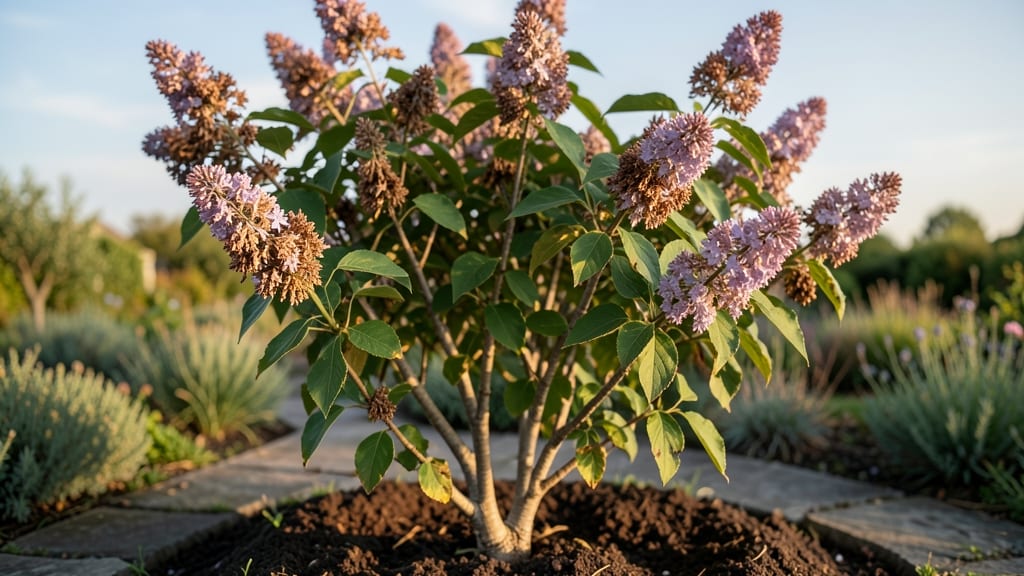
Your lilac bush turning brown isn’t a death sentence—it’s a wake-up call. 🌿 I’ve nursed back more than a few overwatered, diseased, or stressed lilacs, and the fixes are simpler than you’d think. The key is identifying the real cause, not just treating the symptoms.
Brown leaves can mean anything from fungal rot to winter burn, but the most common culprits are overwatering (soggy soil = root suffocation) or powdery mildew (that white dust on leaves). I’ve seen both turn a bush into a sad, crispy mess—until I fixed the root problem.
Start by checking the soil: if it’s damp more than a few inches down, you’re overwatering. If you spot white powder, it’s mildew. Either way, pruning back the worst branches and adjusting care can bring it back to life in 4-6 weeks.
This works for any lilac—French, common, or dwarf varieties. Let’s get your bush blooming again.
Root Causes Behind Browning Lilacs
When your Syringa (common lilac) bush starts turning brown, it’s often a cry for help from the plant itself. Understanding the why behind the discoloration is the first step to saving your shrub.
Below, we break down the most common culprits—backed by science—and explain how they trigger browning leaves, stems, or buds.
Lilacs are hardy but not invincible. Extreme fluctuations in temperature, sunlight, or water can send them into shock, causing leaves to crisp, yellow, or turn brown. Here’s how it happens:
- Heat or Drought Stress:
Lilacs thrive in USDA Zones 3–7 but wilt under prolonged heatwaves (above 90°F/32°C) or dry soil. When roots can’t absorb enough water, leaves wilting and browning at the edges—a condition called scorch. The plant prioritizes water for new growth, sacrificing older leaves first.
💡 Pro Tip: Mulch with 2–3 inches of organic matter (like wood chips) to retain moisture and regulate soil temperature. Water deeply 1–2 times per week during dry spells, aiming for 1–1.5 inches of water per session. - Cold or Frost Damage:
Young lilac leaves (especially in spring) are extremely frost-sensitive. Temperatures below 28°F (-2°C) can cause blackened, mushy leaves or brown patches on stems. This isn’t always fatal, but repeated cold snaps weaken the plant.
🌡️ Key Insight: Lilacs are late bloomers—they often push new growth after the last frost (Zone 5–7: mid-April to May). If brown spots appear after buds open, frost is likely the villain. - Sunburn:
Lilacs prefer full sun (6+ hours/day), but sudden exposure (like after winter dormancy) can cause leaf bleaching or browning. Think of it like a sunburn for your shrub!
✨ Fix It: Gradually acclimate potted lilacs or newly planted shrubs to sunlight over 7–10 days. If your bush is in a hot, exposed spot, consider light afternoon shade during peak summer.
Lilacs are not fussy about soil, but they hate extremes. Compacted, waterlogged, or nutrient-deficient soil strangles roots, leading to browning leaves from the bottom up.
| Problem | How It Causes Browning | Science Behind It |
|---|---|---|
| Compacted Soil | Roots suffocate, starving the plant of oxygen and water. | Lilac roots need well-aerated soil to absorb nutrients. Compaction (from foot traffic or heavy clay) forces roots to grow horizontally, reducing nutrient uptake. The plant transports less chlorophyll to affected leaves, causing browning. |
| Alkaline Soil (pH > 7.0) | Nutrient lockout—especially iron and manganese. | Lilacs prefer slightly acidic to neutral soil (pH 6.0–7.0). In alkaline conditions, micronutrients become unavailable, leading to chlorosis (yellowing between veins) that progresses to brown. Test your soil—if pH is above 7.5, amend with sulfur or peat moss. |
| Over-Fertilization (Especially Nitrogen) | Burns roots and promotes soft, weak growth prone to disease. | Too much synthetic nitrogen (like lawn fertilizer) disrupts the root microbiome, making lilacs susceptible to root rot. Brown patches often appear after a heavy feeding in late summer. |
💡 Quick Test: Dig near the base of your lilac. If the soil smells rotten or feels soggy, it’s waterlogged. If it’s hard as a rock, it’s compacted.
Browning lilacs aren’t always environmental—they could be under siege by pathogens. These diseases thrive in moist, warm conditions and can spread rapidly if ignored.
🍄 Powdery Mildew: The White Web of Doom
Symptoms: White, powdery coating on leaves that turns brown and crispy as it spreads.
Why It Happens: The fungus Erysiphe feeds on leaf sugars, clogging stomata (pores) and blocking photosynthesis. Lilacs are highly susceptible because their leaves stay wet longer than many shrubs.
🔥 Spread Factors:
- Poor air circulation (crowded plantings).
- High humidity + temperatures 70–80°F (21–27°C).
- Overhead watering (keeps leaves damp).
🍃 Anthracnose: The Leaf Blight
Symptoms: Dark brown, sunken spots with yellow halos on leaves. Infected leaves may drop prematurely.
Why It Happens: Caused by Colletotrichum or Gloeosporium fungi, anthracnose enters through wounded leaves (like hail or insect damage). It thrives in wet springs and fall, when lilacs are stressed from blooming.
🎯 Prevention: Remove and dispose of infected leaves (don’t compost!). Space lilacs 3–5 feet apart for airflow.
🦠 Bacterial Leaf Spot: The Oozing Menace
Symptoms: Small, greasy brown spots with yellow borders. In wet weather, spots may oozes pinkish bacteria.
Why It Happens: Bacteria like Pseudomonas syringae thrive in splashing water (from rain or irrigation). They clog xylem vessels (the plant’s water pipes), causing wilting and necrosis.
🚫 Avoid This: Never water overhead. Use drip irrigation or soaker hoses to keep leaves dry.
🔍 How to Tell the Difference:
- Environmental browning:
Revive Your Lilac’s Health Now
A browned lilac bush doesn’t mean it’s beyond saving—it just needs the right care to bounce back! Below, we’ve mapped practical fixes for the most common causes of browning, along with prevention tips to keep your shrub lush and vibrant.
Follow these steps, and your lilac will be blooming beautifully again in no time.
Fix:
- Check the soil 🔍 – Stick your finger 2–3 inches deep. If it feels soggy, your lilac is drowning.
- Stop watering immediately ⏹️ – Lilacs prefer moderate moisture, not wet feet. Water only when the top inch of soil is dry.
- Improve drainage 🏗️ –
- Amend heavy clay soil with compost or perlite (1 part organic matter to 3 parts soil).
- If planted in a low spot, create a slight mound around the base to encourage runoff.
- Repot if needed 🏺 – If your lilac is in a container, ensure pots have drainage holes and use a well-draining potting mix.
Prevention Tips: ✔ Water deeply but infrequently – Once or twice a week (adjust for rain). ✔ Mulch properly – Use 2–3 inches of organic mulch (like shredded bark) but keep it 6 inches away from the trunk to avoid rot. ✔ Avoid soggy spots – Plant lilacs in raised beds or slopes if your yard holds water.
Fix:
- Provide afternoon shade 🌿 – If your lilac is in a hot, exposed spot, add a light shade cloth (30–50%) during peak sun (11 AM–4 PM).
- Water in the morning 💦 – Wet the soil before the sun peaks to reduce evaporation and stress.
- Prune for airflow ✂️ – Thin out dense branches to improve circulation and reduce heat buildup.
- Apply a light mulch 🌱 – A 2-inch layer of mulch helps regulate soil temperature.
Prevention Tips: ✔ Choose the right location – Lilacs thrive in full sun (6+ hours/day) but tolerate morning sun + afternoon shade in hot climates. ✔ Use reflective mulch – Try gravel or light-colored mulch to deflect heat. ✔ Avoid fertilizing in summer – Too much nitrogen can stress the plant in heat.
Fix:
- Prune infected branches ⚔️ – Cut off brown, spotted, or powdery leaves and dispose of them in the trash (not compost).
- Spray with fungicide 🍄 –
- Baking soda spray: Mix 1 tsp baking soda + 1 quart water + a drop of dish soap. Spray every 7–10 days.
- Neem oil (1 tsp per quart of water) – Apply early morning or evening to avoid burning leaves.
- Copper fungicide (for severe cases) – Follow label instructions.
- Improve airflow 🌬️ – Space plants 3–4 feet apart and prune to open the canopy.
- Water at the base 💧 – Avoid wetting foliage to prevent spore spread.
Prevention Tips: ✔ Plant resistant varieties – Some lilacs (like Syringa vulgaris ‘Katherine Havemeyer’) are more disease-resistant. ✔ Clean up debris 🧹 – Remove fallen leaves and prunings year-round to stop fungal spores. ✔ Water early ⏰ – Morning watering gives leaves time to dry before nightfall.
Fix:
- Stop fertilizing immediately ❌ – Too much fertilizer (especially nitrogen) burns roots and encourages rot.
- Test your soil 🧪 – A soil test kit (available at garden centers) helps determine if your lilac needs less fertilizer or more phosphorus/potassium.
- Flush the soil 🚰 –
- Water the plant heavily to leach out excess salts.
- Repeat 2–3 times over a week.
- Repot or amend soil 🏺 –
- If in a container, replace 50% of the soil with fresh, well-draining mix.
- For in-ground plants, mix in compost and perlite to improve aeration.
Prevention Tips: ✔ Fertilize lightly in early spring 🌱 – Use a balanced 10-10-10 or 5-10-10 fertilizer (½ the recommended dose). ✔ Avoid synthetic fertilizers 🚫 – Opt for slow-release organic options (like bone meal or compost). ✔ Monitor for yellowing leaves 🍃 – A sign of over-fertilization—flush the soil if you see it.
Fix:
- Prune dead branches ✂️ – Cut back brown, mushy, or cracked stems to the healthy wood (usually green inside).
- Water deeply before freeze 💧 – A good soak in late fall helps roots survive winter.
- Mulch heavily 🍂 – Pile 4–6 inches of mulch around the base (but not touching the trunk) to insulate roots.
Prevention Tips: ✔ Choose cold-hardy varieties ❄️ – Lilacs like Syringa vulgaris handle Zone 3–7; avoid tender types in harsh winters. ✔ Wrap young shrubs 🧥 – Use burlap or frost cloth for the first 2–3 winters in extreme climates. ✔ Avoid late pruning ⏳ – Prune right after blooming (late spring/early summer) to prevent winter damage.
Before diving into fixes, observe for a week:
- Wilting leaves? → Likely underwatered or root-bound.
- Sticky, black sap? → Aphids or scale insects (treat with soapy water spray).
- Crunchy brown edges? → Frost damage (prune and protect next winter).
Most lilacs recover quickly with the right care—so don’t panic! With these fixes, your bush will be back to its fragrant, purple glory in no time. 🌸
Frequently asked questions
1Why are my lilac leaves turning brown in patches but not all at once?
This spotty browning usually signals a fungal infection like powdery mildew or anthracnose. Fungal spores spread unevenly, targeting weaker leaves first. Check for white powder (mildew) or dark brown spots with yellow halos (anthracnose). Prune infected branches immediately and apply neem oil or baking soda spray to stop the spread.
2Can I save my lilac if the stems are brown and mushy?
Yes, but act fast! Mushy stems indicate root rot from overwatering or poor drainage. Cut back all brown/mushy stems to healthy green wood, then improve drainage by amending soil with compost and perlite. Reduce watering to once every 10–14 days unless it's extremely dry. Most lilacs recover within 4–6 weeks if roots aren't completely dead.
3Is it safe to prune brown leaves from my lilac?
Pruning is your first line of defense. Remove only the brown leaves (never healthy green ones) to prevent disease spread. Sterilize your shears with rubbing alcohol between cuts. For fungal issues, dispose of pruned leaves in the trash—not compost—to stop spores from reinfecting your plant. Prune in late spring or early summer for best results.
4Why do my lilac leaves turn brown in winter but grow back fine in spring?
This is normal winter dormancy! Lilacs shed leaves in cold weather to conserve energy, but if leaves stay brown into spring (after last frost), it may signal frost damage. Prune back any remaining brown stems in early spring. Healthy lilacs should push fresh green leaves within 2–3 weeks of warm weather.
5How do I know if my lilac is getting too much sun?
Look for bleached or crispy brown edges on leaves—this is classic sunburn. Lilacs love sun but need gradual acclimation. If your bush is in a hot, exposed spot, provide afternoon shade (1–4 PM) during peak summer. Water deeply in the morning to help leaves recover and consider a light shade cloth (30%) for extreme heatwaves.