
Pruning
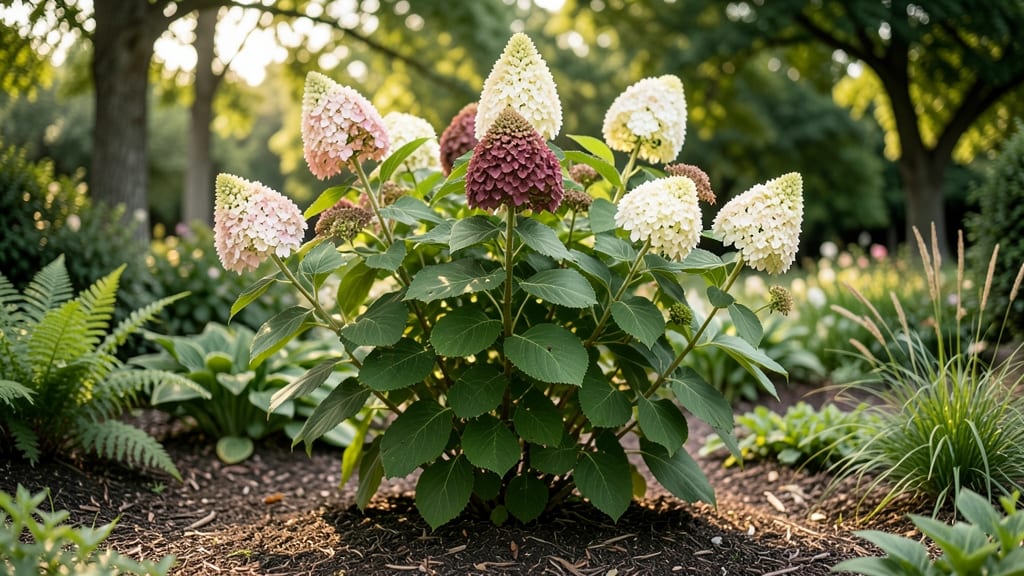
A mature hydrangea bush 🌸 thrives with the right care, especially when it comes to pruning—because one wrong cut can mean fewer blooms next season.
Picture this: You’ve spent years nurturing your hydrangea, and now it’s finally mature, but instead of the lush blooms you expect, you’re left with sparse branches. The secret? Pruning at the right time and with the right technique makes all the difference.
In this guide, I’ll walk you through the best times to prune based on your hydrangea type—whether it’s Bigleaf, Panicle, or Oakleaf—and how to shape it without sacrificing next year’s flowers. You’ll also learn to spot common mistakes that could ruin your plant’s health.
By the end, your hydrangea will be healthier, fuller, and ready to burst into vibrant blooms year after year—no guesswork required.


When to prune mature hydrangeas by type: Bigleaf vs. Panicle vs. Oakleaf (critical timing guide)
Pruning your mature hydrangea bush at the wrong time can mean the difference between a lush, blooming shrub and a sad, bare skeleton. Each hydrangea type—Bigleaf, Panicle, and Oakleaf—has unique timing needs.
Get this wrong, and you might sacrifice next year’s flowers entirely. The key is understanding when each variety blooms and how to time your cuts accordingly.
For Bigleaf hydrangeas, late winter or early spring is critical because they bloom on old wood. Cutting too early removes next year’s flower buds before they form.
Meanwhile, Panicle hydrangeas bloom on new wood, giving you flexibility for late winter or even summer pruning. Oakleaf hydrangeas also bloom on old wood but have slightly different cues to watch for.
Here’s the breakdown you need to avoid common mistakes and keep your hydrangeas thriving:
| Hydrangea Type | Bloom Time | Best Pruning Time | Visual Cues | What to Avoid |
|---|---|---|---|---|
| Bigleaf | Late spring/early summer | Late winter/early spring | Dormant buds visible | Pruning after blooms appear |
| Panicle | Mid to late summer | Late winter/early spring OR after blooming | New growth appears in spring | Heavy pruning in winter |
| Oakleaf | Late summer/fall | Late winter/early spring | Bud swell before leaves | Pruning after first frost |
For Bigleaf hydrangeas, prune in late winter (just as buds swell) or early spring before new growth starts. Look for dormant buds along the stems—they’re your signal to cut.
If you prune after blooms fade, you’ll remove next year’s flowers, leaving your bush with no blooms for a full year.
If you have Panicle hydrangeas, you’ve got more flexibility. Prune in late winter/early spring to shape the bush, or wait until after blooming in late summer to encourage new growth.
This type is forgiving, but avoid heavy cuts in winter, which can stress the plant before it’s ready to grow.
Oakleaf hydrangeas also bloom on old wood, so prune in late winter or early spring when buds begin to swell. Watch for bud swell—this is your cue that the plant is waking up and ready for a trim. Unlike Bigleaf, Oakleaf buds appear slightly later, so don’t rush the process.
Timing isn’t the only factor—tool sharpness and cutting technique matter too. Always use clean, sharp pruners to make clean cuts just above a bud or leaf node. Ragged cuts invite disease, and poor technique can weaken your hydrangea’s structure over time.
One common mistake is pruning Bigleaf hydrangeas too late in spring. If you wait until after blooms appear, you’ll remove next year’s flower buds, leaving your bush with no blooms for a full season. For Panicle hydrangeas, avoid heavy pruning in winter, as this can delay spring growth.
For all hydrangea types, avoid pruning in fall. This can stimulate new growth that won’t harden off before winter, leading to frost damage. Instead, focus on late winter or early spring when the plant is dormant but ready to wake up.
Pro tip: Mark your calendar for late February to early March in most climates—this is the sweet spot for pruning Bigleaf and Oakleaf hydrangeas. For Panicle types, you can also prune in late summer after blooms fade to encourage a second flush of flowers.
With the right timing, your mature hydrangea bush will reward you with vibrant blooms year after year. Pay attention to those buds and growth cues, and you’ll never have to worry about sacrificing next year’s flowers again. Happy pruning! 🌿
Step-by-step pruning technique: how to cut without killing next year’s blooms
Pruning a mature hydrangea bush feels like walking a tightrope—one wrong cut can mean fewer blooms next year. But with the right technique, you’ll shape your bush while preserving its flowering potential.
The key? Understanding where to cut and why. For Bigleaf hydrangeas, this means mastering the third-bud-from-the-base rule and thinning skeleton branches to encourage new growth.
Start by identifying the old wood (last year’s branches) from the new growth. Old wood blooms on previous year’s stems, while new growth emerges from this year’s buds.
Your goal is to thin out crowded branches to improve airflow and sunlight penetration. This isn’t just about aesthetics—it’s about revitalizing your hydrangea for bigger, healthier blooms.
Use sterilized pruners to cut dead wood or branches with signs of disease (e.g., black spots, mold). Cut back to the main stem or nearest healthy bud. This keeps your hydrangea healthy and vigorous.
Look for thick, woody branches (skeleton branches) that no longer produce flowers. These are often older than 3 years. Cut these back to the ground or a strong side branch to redirect energy to younger, flowering stems.
For flowering stems, cut just above the third bud from the base of the branch. This ensures you leave enough new growth to produce blooms next year. Avoid cutting into old wood if you want flowers on that stem.
Step back and visualize the shape of your hydrangea. Remove crossing branches or those growing inward. Aim for an open, airy structure to prevent disease and encourage even blooming.
After pruning, dispose of clippings (compost them if healthy). Wipe your pruners with rubbing alcohol to prevent spreading disease. Finish by watering deeply to help your hydrangea recover.
Pruning isn’t just about cutting—it’s about strategic renewal. By thinning skeleton branches and following the third-bud rule, you’ll encourage your hydrangea to produce larger, more abundant blooms next season. The best part? You’ll also improve airflow, reducing the risk of fungal diseases like powdery mildew.
Remember, Bigleaf hydrangeas bloom on old wood, so avoid heavy pruning in late winter if you want flowers this year. For Panicle or Smooth hydrangeas, you have more flexibility, but always prioritize healthy growth over drastic cuts.
With practice, you’ll develop an eye for what to keep and what to remove.
After pruning, monitor your hydrangea for new shoots emerging from the base. These are your future flowering stems, and they’ll thank you with vibrant blooms next summer. A little effort now means a showstopping display in seasons to come. ✂️🌸