
Shrubs
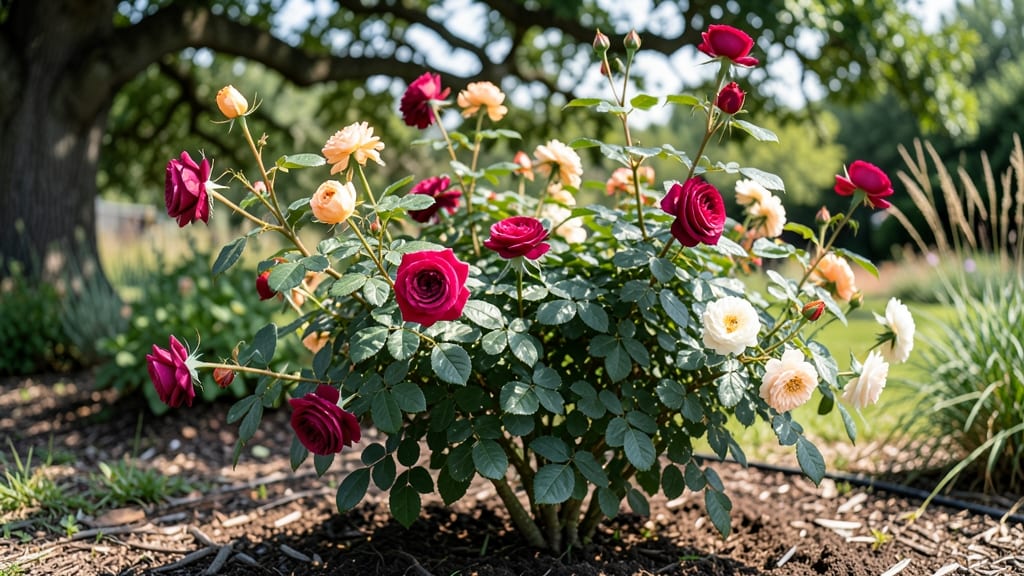
Caring for mature rose bushes 🌹 can transform your garden into a fragrant, blooming paradise—but only if you follow the right seasonal rhythms.
Picture this: your roses bursting with color from spring through fall, their canes strong and disease-resistant. The secret? A precise pruning schedule that most gardeners miss. Without it, you’re left with weak growth, sparse blooms, and even fungal trouble.
In this guide, I’ll walk you through the exact pruning calendar for year-round success, including when to cut back, how to shape your bushes for maximum airflow, and the critical mistakes that kill roses faster than you think.
By the end, your mature rose bushes won’t just survive—they’ll thrive, with healthier canes, more blooms, and fewer pests. Let’s get started.


Seasonal pruning calendar for mature rose bushes to maximize blooms
Pruning mature rose bushes at the right time transforms your garden from a few scattered blooms to a lush, continuous display of color. The key? Following a seasonal pruning schedule that aligns with your rose’s natural growth cycles.
Whether you're dealing with hybrid teas, climbing roses, or shrub roses, each season demands a unique approach to keep your bushes healthy and prolific.
Timing matters more than you might think. Prune too early, and you risk frost damage to fresh cuts. Prune too late, and you stunt spring growth or invite pests.
Below, we’ll break down the exact steps for each season, including tools needed, cutting angles, and how to spot dead or diseased canes before they spread.
| Season | Best Time | Key Tasks | Tools Needed | Goal |
|---|---|---|---|---|
| Winter | Late November - February | Remove dead/diseased canes, lightly shape bush, apply mulch (3-4 inches) | Pruners, mulch, gloves | Prevent winter dieback, reduce pest entry points |
| Early Spring | March - Early April (after last frost) | Remove weak/thin canes, cut back 1/3 of last year’s growth, open center for airflow | Pruners, loppers, disinfectant | Encourage new growth, maximize spring blooms |
| Summer | June - August (after blooming) | Deadhead spent blooms, remove sick leaves, trim overcrowded canes | Hand pruners, shears, gloves | Extend blooming season, prevent disease spread |
| Late Fall | October - Early November | Remove all dead wood, shorten long canes by 1/3, apply copper fungicide if needed | Pruners, fungicide, mulch | Prepare for winter dormancy, reduce pest risks |
Let’s start with winter pruning, the often-overlooked season that sets the stage for next year’s blooms. While your roses are dormant, focus on cleaning up debris and removing any canes that died back due to frost.
Use sterilized pruners to make clean cuts just above an outward-facing bud. This prevents water from pooling and causing rot. A 3-4 inch layer of mulch around the base insulates roots and keeps pests away.
When early spring arrives, your roses will wake up hungry for growth. This is the time to shape your bush aggressively. Cut back last year’s canes by about one-third, always making cuts at a 45-degree angle just above a healthy bud.
Remove any canes that are thinner than a pencil or crossing others—these compete for nutrients and weaken your plant. Open up the center of the bush to improve airflow, which is critical for preventing black spot fungus.
During summer, the focus shifts to maintenance pruning to keep your roses blooming nonstop. After each flush of flowers fades, deadhead spent blooms by snipping just above the first five-leaflet leaf. This redirects energy into producing more buds.
If you notice yellowing leaves or black spots, prune those immediately and dispose of them in the trash—not your compost—to avoid spreading disease. Light trimming of overcrowded canes keeps your bush looking tidy and encourages stronger growth.
As fall approaches, your roses will begin preparing for winter. This is your last chance to clean up the bush before dormancy. Remove any weak or diseased canes and shorten the remaining canes by about one-third.
Apply a copper fungicide spray if you’ve had issues with fungal diseases in past years. Once temperatures drop below 40°F, cover the base of the bush with mulch to protect roots from freezing.
Pro tip: Always sterilize your pruners between cuts with rubbing alcohol or a 10% bleach solution. This simple step prevents
How to prune mature roses for disease resistance & stronger canes
Pruning mature rose bushes isn’t just about shaping them—it’s your first line of defense against black spot, powdery mildew, and other fungal diseases. When done correctly, strategic pruning also strengthens canes and encourages vibrant blooms for years to come.
The key? Timing, sanitation, and knowing which canes to keep (and which to cut).
Diseases like black spot thrive in dense foliage with poor air circulation. That’s why thinning out your rose bush during pruning isn’t just cosmetic—it’s a health necessity.
I’ve seen mature roses go from struggling to thriving in just one season after implementing these disease-resistant pruning techniques. Let’s break it down step by step.
⚠️ Critical Warning: Never Prune Wet Canes
Damp canes spread fungal spores faster than anything. If you prune after rain or in the evening, you’re inviting black spot and powdery mildew into your rose bush. Always prune on dry, sunny mornings—this gives cuts time to dry and heal before nighttime humidity sets in.
Pro Tip: Disinfect your pruners between cuts with rubbing alcohol or a 10% bleach solution to prevent cross-contamination.
Start by removing dead or diseased canes first—they’re the biggest disease risks. Look for blackened leaves, mushy stems, or canes with powdery white residue. Cut these back to healthy wood, then discard them far from your garden (not in your compost!).
Next, target crossing canes—these rub against each other, creating wounds where pathogens enter.
For stronger canes, focus on open-center pruning. This means cutting back one-third of the oldest canes each year to encourage new growth from the base.
Aim to leave 3-5 strong, healthy canes per bush, spaced evenly. This improves air circulation, reduces humidity buildup, and gives your roses room to breathe—literally.
Don’t forget to shape your rose bush like a vase. The outer canes should be slightly longer than the inner ones, creating a natural funnel that directs rainwater away from the center.
This simple trick cuts down on fungal splashing during storms. After pruning, apply a copper fungicide as a preventative measure—it’s your first defense against fungal spores lurking in the soil.
Finally, mulch around the base with 2-3 inches of organic mulch (like shredded bark) to keep soil moisture even and prevent splash-back from watering. Avoid piling mulch against the stems, though—this traps moisture and encourages rot.
With these techniques, your mature roses will develop thicker canes, fewer diseases, and longer bloom seasons.