
Shrubs
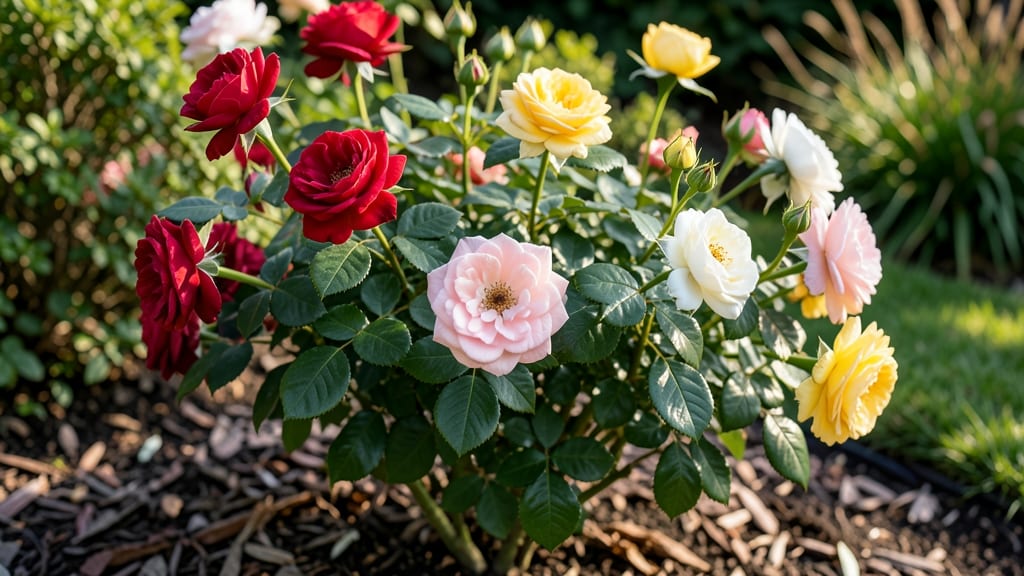
Mastering rose bush tips starts with knowing when to prune for that year-round fragrance and fullness you dream of. 🌹 I’ve spent years perfecting my timing—spring, summer, and even late winter cuts—each serving a different purpose, from shaping your bush to encouraging more blooms.
The key is understanding your climate and rose type, because what works for hybrid teas in Zone 5 won’t cut it for floribundas in Zone 8.
You’ll need sharp pruners, a clean bucket, and a glove (roses have thorns that don’t care about your manicure). The real secret? Pruning isn’t just about cutting—it’s about removing dead wood, opening the center for airflow, and targeting specific buds to guide growth.
Even experienced gardeners mess this up by pruning too late or too aggressively, so we’ll cover the exact cuts that keep your roses healthy, not stressed.
By following this calendar, you’ll see thicker canes, more blooms, and fewer pests creeping in. The first flush of spring flowers arrives earlier, summer blooms last longer, and fall roses stay vibrant until frost.
It’s the difference between a bush that looks like a tangled mess and one that’s the showstopper of your garden.
This works for all rose types—climbers, shrubs, even old garden roses—just adjust the timing slightly. Whether you’re a beginner or a seasoned grower, these tips will have your roses looking like they belong in a botanical garden, not just your backyard. Let’s get those shears ready!
📚 In This Guide
- What you need
- Instructions
- Tips and common mistakes
- Wrapping up and next steps
What you need
- ○ Pruning shears: Bypass pruners (sharp, clean, and 4-6 inch blades for precision cuts). Optional: Loppers (for thicker stems, 8-10 inch blades).
- ● Hand pruners: For small stems (ergonomic, 3-4 inch blades).
- ● Garden gloves: Heavy-duty, cut-resistant (to protect from thorns and dirt).
- ● Disinfectant: 70% isopropyl alcohol or bleach solution (1 part bleach to 9 parts water) to sterilize tools between cuts.
- ● Rake or broom: For clearing debris after pruning.
- ○ Pruning sealant (optional): For large cuts (e.g., tree wound paint) to prevent disease in some rose varieties.
- ● Weather check: Prune on a dry, cloudy day (avoid extreme heat or frost).
- ● Safety gear: Sunglasses (thorns!) and long sleeves/pants (for protection).
- ● Clean workspace: Clear leaves, dead branches, and weeds around the bush for better access.
- ● Know your rose type: Hybrid teas, floribundas, climbers, or shrub roses may need slightly different techniques.
Instructions: pruning calendar for year-round rose care
Here's the seasonal rhythm I follow to keep roses blooming abundantly while avoiding stress.
✂️ Step 1: Late Winter Cleanup (February)
When daytime temperatures consistently reach 40°F, it's time to prune back dead, diseased, or crossing branches. I use clean, sharp bypass pruners to make cuts at a 45-degree angle just above an outward-facing bud. This encourages new growth to develop away from the center, improving airflow and reducing disease risk.
Remove any canes that are thinner than a pencil or have blackened, mushy centers—these won't recover. I like to sterilize my pruners with rubbing alcohol between cuts to prevent spreading fungal spores. The goal here is to open up the center of the bush so sunlight reaches all canes, which prevents the classic "donut hole" effect where only outer blooms thrive.
☀️ Step 2: Post-Bloom Thinning (June-August)
After each major flush of blooms, I deadhead spent flowers by cutting back to the first five-leaflet leaf below the bloom. This redirection of energy produces more side shoots and future blooms. For hybrid teas, I make this cut at a 45-degree angle, while for floribundas and shrub roses, I often cut straight across just above the leaf to encourage bushier growth.
Watch for suckers—those aggressive shoots growing from the base or graft union. Remove them immediately, as they divert energy from your main plant. I use my fingers to gently twist them free rather than cutting, which reduces the chance of regrowth. This step keeps roses looking full and prevents overcrowding that leads to mildew.
🌿 Step 3: Light Summer Maintenance (July-September)
Throughout summer, I do quick maintenance pruning to shape the bush and remove any branches growing inward. I look for canes that are rubbing against each other—these will eventually tear and create entry points for disease. Cut these back to the nearest outward bud, making sure to leave at least ½ inch of healthy stem above the cut.
This is also when I check for pests like aphids or Japanese beetles. A strong spray of water often dislodges them, but for stubborn infestations, I apply neem oil in the evening when bees aren't active. The key here is to intervene early—once roses get stressed, they produce fewer blooms.
⏰ Step 4: Final Seasonal Trim (October-November)
As temperatures drop below 50°F at night, I do one final light pruning to remove any remaining dead wood or weak growth. I avoid heavy pruning now, as new growth won't harden off before winter. Instead, I focus on cleaning up the bush and removing any leaves showing signs of disease.
After pruning, I apply a 3-inch layer of mulch around the base (but not touching the stem) to protect roots from freezing temperatures. I also make sure to water deeply before the first hard frost—this helps establish a root zone that's less susceptible to winter dieback. The goal is to tuck the roses in for winter while keeping them healthy enough to burst into bloom come spring.
Tips & tricks for perfect rose bush pruning
Between us, these seasonal pruning secrets will transform your roses from struggling survivors to blooming showstoppers. The key is timing and technique—both more important than most gardeners realize.
Temperature Matters: The 40°F threshold for late winter pruning isn't arbitrary—it's when roses naturally begin their growth cycle. If you prune too early when temps dip below this, you risk encouraging tender new growth that could get frostbitten. I've learned this the hard way after seeing fresh cuts turn black in unexpected cold snaps. Wait for those consistent daytime highs before reaching for your pruners.
The Technique That Changed Everything: That 45-degree angle cut in Step 1 isn't just aesthetic—it's about water runoff. When you make clean angled cuts above outward-facing buds, rainwater flows away from the stem instead of pooling where it can cause rot. For hybrid teas, I mark the angle with my thumb before cutting to ensure consistency. And always leave at least ½ inch of healthy stem above your cut—this prevents disease entry points that can turn your roses into a fungal buffet.
Seasonal Strategy: The 50°F nighttime threshold in October signals your final pruning window. This isn't about heavy cutting—think of it as a light cleanup rather than major restructuring. I focus on removing only the most obvious deadwood and diseased leaves. The goal here is to protect what you've built all season, not stress the plant before winter. Remember, roses store energy in their roots during dormancy, and you want to preserve as much as possible.
Pro Tips for Rose Bush Tips
- Between us, these seasonal pruning secrets will transform your roses from struggling survivors to blooming showstoppers.
- Temperature Matters: The 40°F threshold for late winter pruning isn't arbitrary—it's when roses naturally begin their growth cycle.
- The Technique That Changed Everything: That 45-degree angle cut in Step 1 isn't just aesthetic—it's about water runoff.
Frequently asked questions
Got questions about keeping your rose bushes lush, fragrant, and thriving? Here are answers to the most common concerns—from pruning timing to troubleshooting woes.
When is the best time to prune my rose bush for maximum blooms?
The ideal window is late winter or early spring (just before new growth starts), but repeat bloomers (like hybrid teas) also need a light trim after the first flush in summer. Avoid pruning in fall—it encourages tender growth that won’t survive winter. Pro tip: Wait until temps stay above 50°F (10°C) to prevent shock!
How much should I cut back my rose bush? Can I prune too much?
For most roses, aim to remove 1/3 of the plant’s height and 1/2 of the canes. Look for outward-facing buds when cutting—these will encourage bushier growth. Warning: Over-pruning (cutting into old wood) can stress the plant. If you’re unsure, err on the side of caution and trim less!
My rose bush has brown, crunchy leaves—what’s wrong, and how do I fix it?
Brown, brittle leaves are often a sign of black spot fungus or powdery mildew. Remove infected leaves immediately and apply a fungicide (organic options like neem oil work too). Improve airflow with proper spacing and pruning, and water at the base (not overhead) to keep foliage dry.
Can I prune roses in containers differently than garden roses?
Yes! Container roses need more frequent pruning (every 4–6 weeks) to encourage compact growth. Trim back by 1/3 after each flush of blooms, and repot every 2–3 years to refresh the soil. Since they’re root-bound, avoid heavy pruning—it can stress the plant further. Fertilize lightly after pruning to support new growth.
Do I need to prune roses in winter? What about dead canes?
Wait until spring for full pruning, but remove dead, broken, or diseased canes in winter (they can harbor pests). If a cane is completely black and mushy, cut it to the ground. Never prune into green, healthy wood—wait for fresh growth to appear in spring to identify what’s truly dead.
Wrapping up and next steps
Caring for your rose bushes doesn’t have to be overwhelming—just follow a seasonal pruning calendar and a few key tips to keep them thriving! Whether you’re trimming dead blooms in summer or shaping stems in winter, consistency is your best friend.
With the right tools, timing, and techniques, you’ll enjoy year-round fragrance and lush, full bushes that steal the show.
Ready to take your rose garden to the next level? Start small—pick one season to focus on this year, then gradually build your skills. Before you know it, you’ll be the neighborhood rose whisperer! 🌹✨