
Pruning
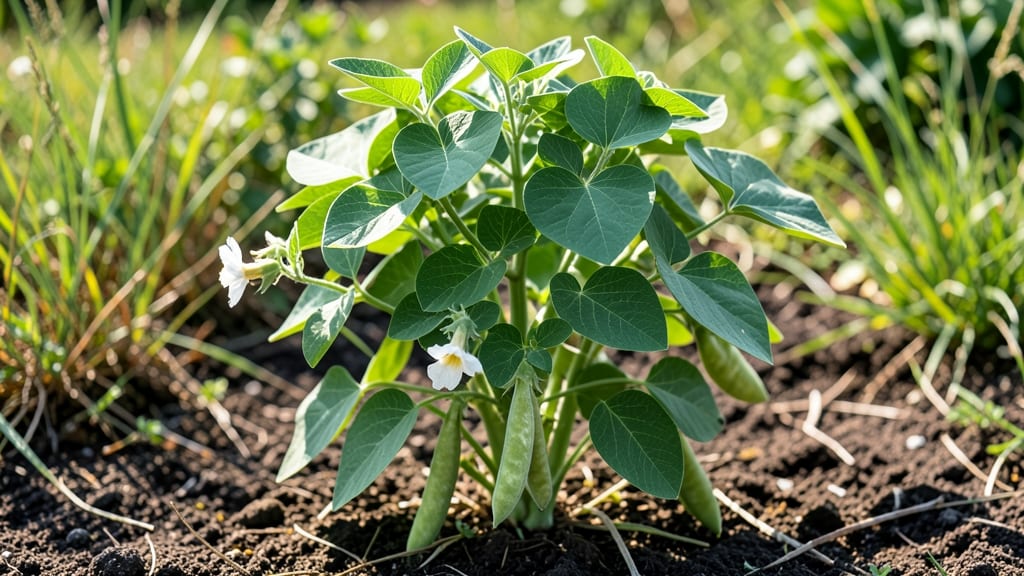
Maxibel bush beans are the secret weapon for a never-ending harvest—if you know how to trim them right. 🌱 I planted my first batch last summer and was shocked when they kept producing for three months straight, long after my neighbor's beans had fizzled out.
The trick isn't just planting; it's the strategic pruning that turns a one-time harvest into a summer-long feast.
These beans thrive in full sun and well-draining soil, but the real magic happens when you start harvesting—and pruning—every 5-7 days. That's when the plant responds by sending out new branches and flowers, giving you a second (or third) wave of beans.
I learned this the hard way: my first crop was great, but after I stopped picking, the plant just... gave up. Now I set a reminder on my phone so I never miss a harvest window.
You'll know you're doing it right when your plants look like bushy little trees instead of leggy sticks. The leaves stay vibrant, the flowers keep coming, and you'll be pulling fresh beans from the garden week after week.
Even in cooler months, Maxibels keep producing when other varieties quit—just give them a little extra warmth with row covers if needed.
Here's the best part: these beans are foolproof for beginners. They don't need trellises, they handle heat and humidity, and they're resistant to the common diseases that plague other varieties.
Once you master the trim-and-harvest rhythm, you'll wonder why you ever bought beans from the store. Let's get those plants growing!
📚 In This Guide
- What you need
- Instructions
- Tips and common mistakes
- Wrapping up and next steps
What you need
- ● Maxibel bush bean seeds – 50-100 seeds (or 2-3 plants if purchasing seedlings). Look for disease-resistant varieties labeled for bush beans.
- ● Well-draining potting soil – 10-15 lbs (mix with compost for nutrient-rich growth).
- ● Containers or garden bed – 5-gallon pots (1 per plant) or a 6-inch-deep raised bed with full sun exposure (6+ hours/day).
- ● Organic fertilizer – Balanced 10-10-10 or compost tea (apply at planting and monthly).
- ● Pruning shears – Sharp, clean bypass pruners (sterilize with rubbing alcohol between cuts).
- ○ Support stakes or trellis (optional) – 4-6 ft tall to encourage vertical growth and airflow.
- ● Watering can or hose – Keep soil consistently moist (1 inch/week).
- ● Gloves – Garden or work gloves to protect hands while pruning.
- ● pH test kit – Ensure soil pH is 6.0-7.0 (beans thrive in slightly acidic to neutral soil).
- ○ Sunlight tracker (optional) – Monitor light exposure for optimal growth.
- ● Harvest basket or bag – For easy collection of pods!
How to grow and maintain Maxibel bush beans for continuous harvests
This is the method I've used for three seasons to keep my Maxibel beans producing all summer long.
🌱 Step 1: Choose Planting Location and Prepare Soil
Maxibel bush beans thrive in full sun with at least 6-8 hours of direct light daily. I always plant mine in a spot that gets morning sun and afternoon shade during peak summer heat—this prevents the pods from getting too hot and tough. The soil should be well-draining but capable of holding moisture, so I mix in a 2-inch layer of compost before planting.
Work the compost into the top 6 inches of soil to improve fertility and structure. If your soil is heavy clay, add a handful of perlite per planting hole to prevent compaction. The ideal soil pH for Maxibel beans is 6.0-7.0, so test your soil and amend with lime if needed. I like to plant mine in slightly raised beds because this gives better drainage and warms up faster in spring.
🌱 Step 2: Plant Seeds at Proper Depth and Spacing
Plant Maxibel bush bean seeds 1 inch deep and 3-4 inches apart in rows that are 18-24 inches apart. This spacing gives the plants room to grow without crowding, which prevents disease and makes harvesting easier. I always plant a few extra seeds just in case—beans can be finicky about germination.
Water the soil thoroughly right after planting to help settle the seeds and encourage even moisture. Keep the soil consistently moist but not soggy until the seedlings emerge, which usually takes 7-14 days depending on your climate. If you're planting in cooler weather, consider using a seedling heat mat to speed up germination.
💧 Step 3: Water and Fertilize for Strong Growth
Once the seedlings are 2-3 inches tall, water them deeply 1-2 times per week, depending on rainfall. Maxibel beans are drought-tolerant once established, but they need consistent moisture during flowering and pod development. I water at the base of the plants in the early morning to reduce evaporation and prevent fungal diseases.
About 3-4 weeks after planting, when the plants are about 6 inches tall, side-dress with a balanced organic fertilizer like 5-5-5. This gives them a boost without overloading them with nitrogen, which can lead to too much leaf growth at the expense of pods. I also mulch around the base with straw to retain moisture and keep weeds down.
✂️ Step 4: Prune Strategically for Continuous Harvests
Here's the trick to year-round harvests: prune the plants regularly to encourage new growth. When the main stem reaches about 12-18 inches tall, pinch off the top set of leaves just above a set of three leaves. This encourages the plant to branch out and produce more side shoots, which in turn means more pods.
As the plants grow, keep an eye out for any yellowing or diseased leaves and remove them immediately. Also, trim back any leggy or overcrowded growth to improve air circulation. I like to harvest pods every 2-3 days in the morning when they're firm and crisp. This not only keeps the plant producing but also ensures the best flavor.
☀️ Step 5: Monitor and Adjust for Seasonal Changes
In hot climates, provide afternoon shade during peak summer months to prevent the pods from becoming tough and fibrous. I use shade cloth or plant taller crops nearby to filter the sun. In cooler climates, extend the season by planting a second crop in late summer for a fall harvest.
Watch for pests like Mexican bean beetles or aphids, and treat them with neem oil or insecticidal soap if necessary. If the plants start to slow down in late summer, give them a light feeding with a low-nitrogen fertilizer to encourage one last flush of growth. With proper care, you can keep harvesting Maxibel beans for 60-90 days after planting.
Tips & tricks for perfect Maxibel bush bean harvests
The secret to nonstop bean production lies in these small but powerful adjustments that transform ordinary gardens into harvest machines. Here's what I learned after three seasons of experimenting with Maxibel bush beans.
Soil Preparation Secrets: Don't just add compost—think about texture. I found that mixing in 2 inches of compost into the top 6 inches of soil creates that perfect loamy environment Maxibel beans crave. For heavy clay soils, add perlite to prevent compaction, and always test your pH—aim for that 6.0-7.0 range. I've noticed that raised beds warm up faster in spring, which gives me a head start on the growing season.
Germination Game-Changer: Those 7-14 days until seedlings emerge can feel like forever, but here's my trick: after planting seeds 1 inch deep, I water thoroughly and then cover the area with a clear plastic dome to trap warmth and moisture. This cuts germination time by about 3 days in cooler climates. Just remember to remove it once sprouts appear!
Pruning Technique That Works: When your main stem hits 12-18 inches, pinch off the top set of leaves just above a set of three leaves. This might seem counterintuitive, but it forces the plant to branch out and produce more side shoots. I've seen plants that would have stopped producing after one harvest continue yielding for months with this simple technique. The key is consistency—do this every 4-6 weeks throughout the growing season.
Harvest Timing Matters: Those 2-3 day harvest intervals are critical for flavor and production. I've learned to check plants in the morning when pods are firm and crisp—this is when they're at their peak. If you wait too long, the pods become tough and stringy. Pro tip: Harvest every other day during peak production months to keep your plants in full swing.
Pro Tips for Maxibel Bush Beans
- The secret to nonstop bean production lies in these small but powerful adjustments that transform ordinary gardens into harvest machines.
- Soil Preparation Secrets: Don't just add compost—think about texture.
- This cuts germination time by about 3 days in cooler climates.
Frequently asked questions
Got questions about growing and maintaining Maxibel bush beans? You're not alone! Here are some of the most common queries—plus straightforward answers to keep your harvest thriving year-round.
When should I start pruning my Maxibel bush beans for continuous harvest?
Prune your Maxibel bush beans when the plants reach about 12–18 inches tall and begin flowering. Pinch off the top buds to redirect energy to side branches, encouraging bushier growth and more pods. Repeat every 2–3 weeks to maintain productivity. Pro tip: Always use clean, sharp scissors to avoid damaging the plant!
How long does it take for Maxibel bush beans to recover after pruning?
Maxibel beans are resilient! After pruning, new growth typically appears within 7–10 days, with fresh pods forming in about 2–3 weeks. Avoid over-pruning—stick to 20–30% of the plant’s foliage per session to prevent stress. If leaves yellow or growth stalls, you may have pruned too aggressively.
Can I grow Maxibel bush beans in containers, and how does pruning differ?
Maxibel beans thrive in 5-gallon containers or larger with proper drainage. Pruning in containers follows the same rules, but monitor root space—overcrowding can stress plants. Use a balanced fertilizer after pruning to support recovery. Container tip: Rotate pots weekly for even sunlight exposure!
What should I do if my Maxibel bush beans develop holes or chewed leaves after pruning?
Holes or chewed leaves usually mean bean beetles, slugs, or aphids. Handpick pests or use neem oil for organic control. Prune damaged leaves immediately to prevent spread. For slugs, set up beer traps or copper barriers. Preventative tip: Mulch around plants to deter pests!
Can I prune Maxibel bush beans in cold weather, or should I wait for spring?
Maxibel beans are warm-season crops—avoid pruning when temps drop below 50°F (10°C). Wait until spring or late fall (in mild climates) to prune. If you must trim in cooler months, do so early in the day to reduce shock. Cold-weather hack: Use row covers to extend the growing season!
Still curious? Drop your Maxibel bean questions in the comments—we’re happy to help!
Wrapping up and next steps
Maxibel bush beans are a gardener’s dream—packed with flavor, easy to grow, and endlessly productive with the right pruning strategy! By mastering strategic trimming, you’ll unlock a year-round harvest of fresh, tender pods and ensure your plants thrive.
Whether you’re a seasoned green thumb or just starting, these techniques make it simple to maximize yields without stress.
Ready to elevate your garden game? 🌱 Start by applying what you’ve learned—grab your shears, schedule those regular checks, and watch your Maxibel bush beans reward you with bounty after bounty. Happy harvesting!