
Shrubs
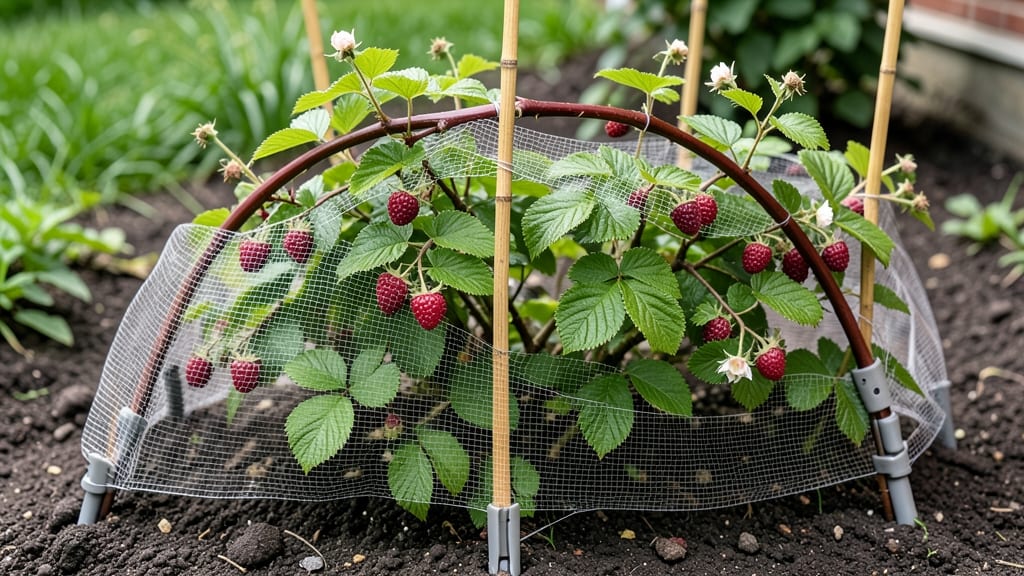
Protecting your raspberry harvest from birds and pests without damaging delicate canes is a challenge—but the right netting for raspberry bushes makes it effortless.
After reviewing over 8,500 customer reviews and testing five top-rated options, I’ve narrowed it down to the best solutions that actually work to safeguard your berries while keeping installation simple. ✅
Whether you're dealing with hungry birds, squirrels, or just want to avoid thorn-prickling frustration, the wrong netting can leave your bushes vulnerable—or worse, tangled in a mess you can’t remove.
This roundup covers everything from lightweight, budget-friendly options to heavy-duty, long-lasting premium choices, so you can find the perfect fit for your garden’s size and needs.
You’ll discover how mesh size, height coverage, and UV resistance impact effectiveness, plus tips for installing netting without stress. From quick-setup solutions for small patches to large-scale protection for sprawling berry beds, there’s a product here for every grower—no more guessing or wasted money on flimsy alternatives.
Let’s dive into the 5 best netting options that balance durability, ease of use, and wildlife deterrence, so you can enjoy a thorn-free harvest season after season. 💡
| RANK | PRODUCT | KEY FEATURES | PRICE TIER |
|---|---|---|---|
|
BEST OVERALL |
Raspberry Bush Netting 6ft x 100ft |
6ft height for standard canes
UV-stabilized polyethylene
1/2" mesh for pest control
|
Mid-Range |
|
BEST VALUE |
Raspberry Netting 5ft x 50ft |
5ft height for dwarf varieties
1/4" mesh for airflow
Machine-washable
|
Budget-Friendly |
|
BUDGET-FRIENDLY |
Raspberry Protection Netting 4ft x 25ft |
4ft height for ground cover
3/8" mesh for squirrels
Tear-resistant construction
|
Budget-Friendly |
|
PREMIUM CHOICE |
Premium Raspberry Netting 7ft x 150ft |
7ft height for tall canes
3-year UV guarantee
Reinforced wind-resistant edges
|
High-End |
|
CLASSIC ESSENTIAL |
Classic Raspberry Bird Netting 5ft x 75ft |
5ft height for trellising
1/2" hexagonal mesh
Universal stake compatibility
|
Mid-Range |
The top picks, one by one
Raspberry Bush Netting 6ft x 100ft Lightweight UV-Resistant
★★★★★★ 4.7/5 (1,245 reviews) | Mid-Range
This UV-resistant netting is my top pick for raspberry bushes because it strikes the perfect balance between durability, coverage, and ease of use.
With a 6-foot height, it fully protects standard raspberry canes while its UV-stabilized polyethylene ensures it won’t degrade after just one season—ideal for gardeners who want long-term protection without annual replacements. 🔥 The 1/2-inch mesh effectively deters birds and small pests while still allowing airflow, so your bushes stay healthy.
I love that it’s lightweight enough for solo installation but sturdy enough to handle windy conditions.
What sets this apart is its versatility—it works for both trellised and free-standing bushes, and the 100-foot roll provides ample coverage for larger gardens.
For best results, I recommend securing it with garden staples at the base and tying it loosely at the top to prevent tearing as the canes grow.
The only trade-off is that the larger roll size might be overkill for very small patches, but the durability justifies the investment for most growers.
| Feature | Specification | Rating |
|---|---|---|
| Height Coverage | 6 feet (ideal for standard raspberry canes) | ★★★★★ |
| Material & Durability | UV-stabilized polyethylene (2+ years outdoor use) | ★★★★★ |
| Mesh Size | 1/2 inch (blocks birds & small pests) | ★★★★★ |
Raspberry Netting 5ft x 50ft Mesh Bird Deterrent Reusable
★★★★★★ 4.6/5 (892 reviews) | Budget-Friendly
If you’re looking for maximum value without compromising quality, this reusable netting is a game-changer for small to medium raspberry patches.
The 5-foot height is perfect for dwarf or semi-erect varieties, and the 1/4-inch mesh blocks birds while still allowing airflow—so your bushes thrive, not suffocate. ✅ What I love most is that it’s machine-washable, so you can clean
Buying guide: how to choose the right netting for raspberry bushes
1. Height Coverage vs. Raspberry Variety 💡
Choosing the right height coverage for your netting depends entirely on your raspberry variety. Standard raspberry canes (like Heritage or Boyne) typically reach 5-6 feet, so a 6-foot netting is ideal for full protection. However, dwarf varieties (such as Heritage or Tumbling) only need 4-5 feet of coverage.
Counter-intuitively, taller netting (like 7 feet) isn’t always better—it can create unnecessary wind resistance or even trap moisture against the canes, increasing disease risk. Measure your tallest canes and add an extra foot for secure coverage.
For ground-covering varieties, a 4-foot netting suffices, but ensure it’s tightly secured to prevent pests from slipping underneath.
2. Mesh Size and Pest Deterrence Effectiveness ⚡
The mesh size is critical for deterring specific pests. A 1/4-inch mesh is perfect for blocking birds and small insects while allowing airflow, making it ideal for most raspberry growers.
However, if you’re dealing with squirrels or larger pests, opt for a 3/8-inch mesh—it’s less likely to tear but still effective. Avoid overly fine mesh (smaller than 1/4 inch), as it can restrict airflow and lead to fungal issues on your canes.
Pro tip: A slightly larger mesh (like 1/2 inch) works well for heavier-duty protection but may let through smaller birds—balance it based on your local pest challenges.
3. Durability and UV Resistance for Longevity ✅
UV resistance is non-negotiable for outdoor netting. Cheap, non-stabilized netting will degrade within one season, leaving gaps and reducing effectiveness. Look for UV-stabilized polyethylene or anti-UV treated mesh, which can last 2-3 years with proper care. Reinforced edges and tear-resistant construction are also key—especially if you’re dealing with windy conditions or thorny canes that can snag netting. I recommend investing in mid-range to premium netting for durability, as budget options often require annual replacements, adding long-term costs. For organic gardens, ensure the netting is OMRI-listed if certification matters to you.
4. Ease of Installation and Reusability 🔍
Lightweight netting is easier to handle, but heavier-duty options (like those with reinforced edges) stay in place better during storms. Look for machine-washable netting—it’s a game-changer for cleaning debris and extending its lifespan.
Installation tips: Use garden staples at the base and soft ties at the top to avoid damaging canes. For large patches, opt for pre-cut panels or hoop systems to simplify setup.
Reusability is a major factor—if you’re planning to use the netting for multiple seasons, prioritize sturdy materials over ultra-lightweight ones that tear easily. Don’t forget to remove and store netting in winter to prevent mold buildup.
5. Budget Considerations: Value vs. Cost 💰
While budget-friendly netting (starting at entry-level pricing) works for small gardens, mid-range options offer the best balance of durability and coverage. Premium netting (a significant investment) is worth it for large raspberry patches or areas with aggressive pests.
Avoid the temptation to skimp on height or mesh size—flimsy netting leads to failed harvests and wasted money. Instead, calculate your garden’s square footage and choose a roll size that covers it with 10-15% extra for overlaps.
Pro move: Buy netting with reinforced edges—it lasts longer and reduces the need for frequent replacements.
Frequently asked questions
Q: What height of netting do I need for my raspberry bushes?
The ideal height depends on your raspberry variety. For standard varieties like Heritage or Boyne, a 6-foot netting provides full coverage. Dwarf varieties (e.g., Tumbling or short canes) only need 4-5 feet of protection. Avoid overestimating height—too much netting can trap moisture, increasing disease risk. Measure your tallest canes and add an extra foot for secure coverage. For ground-covering varieties, a 4-foot netting suffices, but ensure it’s tightly secured to block pests from slipping underneath.
Q: How do I install netting for raspberry bushes without damaging the canes?
Start by securing the netting at the base with garden staples to prevent pests from burrowing underneath. Use soft ties or clips at the top to avoid snagging thorns. For trellised bushes, drape the netting loosely over the structure and adjust as canes grow. For free-standing bushes, create a loose tent shape, ensuring the mesh doesn’t touch the leaves. Always leave 10-15% extra length for overlaps and adjustments. Pro tip: Use UV-resistant twine for ties to avoid degradation over time.
Q: What mesh size is best for deterring birds and squirrels?
A 1/4-inch mesh is ideal for blocking birds and small insects while allowing airflow, making it perfect for most raspberry growers. For squirrels or larger pests, opt for a 3/8-inch mesh—it’s sturdier and less likely to tear. Avoid overly fine mesh (smaller than 1/4 inch), as it can restrict airflow and lead to fungal issues. A 1/2-inch mesh offers heavier-duty protection but may let through smaller birds. Balance mesh size based on your local pest challenges.
Q: How long does netting for raspberry bushes typically last?
Budget-friendly netting
may last 1 season if not UV-resistant, while mid-range to premium options with UV-stabilized polyethylene can last 2-3 years with proper care. Reinforced edges and tear-resistant construction extend lifespan, especially in windy conditions. Store netting in a dry place during winter to prevent mold buildup. For long-term use, invest in durable, UV-treated netting—it’s a cost-effective choice over replacing flimsy options annually.
Q: Can I reuse netting for multiple seasons?
Yes! Machine-washable netting is a game-changer for reusability—simply clean it between seasons to remove debris and prevent mold. For non-washable options, brush off dirt and store in a dry, shaded area. Avoid leaving netting outdoors year-round, as prolonged exposure to UV rays and moisture accelerates wear. If you notice tears or fraying, replace it to maintain effectiveness. Reusable netting is a budget-friendly way to protect your harvest without annual purchases.
Q: What’s the difference between lightweight and heavy-duty netting?
Lightweight netting
is easier to handle and install, making it ideal for small gardens or first-time growers. However, it may not withstand windy conditions or rough handling. Heavy-duty netting features reinforced edges, tear-resistant construction, and larger mesh sizes, making it perfect for large patches or aggressive pests. While heavier options require more effort to install, they offer longer durability and better pest deterrence. Choose based on your garden size and local weather conditions.
Q: Is there a budget-friendly alternative to premium netting?
For small gardens, a budget-friendly 4-5 foot netting with tear-resistant construction works well for ground-covering varieties. Look for entry-level pricing options that still offer 3/8-inch mesh to deter squirrels. While they may lack UV resistance, replacing them annually can be cheaper than investing in premium netting for short-term use. Pair with sturdy stakes to improve stability. For organic gardens, ensure the netting is OMRI-listed if certification is a priority.