
Shrubs
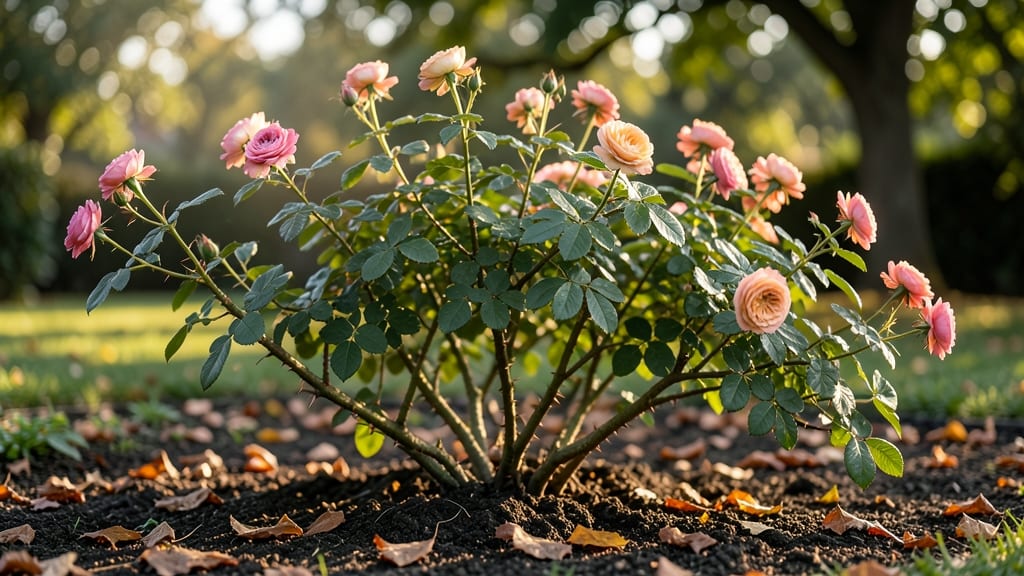
Nothing says timeless charm like old-fashioned rose bushes thriving in your garden. 🌹 These classic beauties—like the beloved 'Blush Noisette' or 'Louis Philippe'—require far less fuss than their hybrid cousins, yet reward you with lush, fragrant blooms that turn heads every season.
The secret lies in understanding their natural growth habits, from loose, sprawling canes to their stunning, repeat-flowering hips that feed birds all winter.
Start with well-draining soil enriched with compost, and plant in a spot with at least 6 hours of sunlight daily. Unlike modern roses, these varieties tolerate neglect beautifully—water deeply once a week (more in extreme heat) and mulch to protect roots.
The pruning? Just a light shaping in early spring, removing only dead or crossing stems. No dramatic cuts, no stress—just enough to encourage their signature romantic, full-bodied growth.
You’ll end up with roses that smell like a summer garden should—rich, intoxicating, and impossible to resist. These plants grow taller, bloom longer, and resist diseases better than many hybrids, making them the foolproof choice for gardeners who want beauty without the fuss.
The best part? Their hips provide food for wildlife, turning your garden into a thriving ecosystem.
Perfect for cottage gardens, trellises, or even as specimen plants in a mixed border. Whether you’re reviving a historic garden or starting fresh, these roses deliver old-world elegance with modern resilience. Ready to bring back the romance?
📚 In This Guide
- What you need
- Instructions
- Tips and common mistakes
- Wrapping up and next steps
What you need
- ● Rose bushes: Choose 3–5 old-fashioned varieties (e.g., 'Blush Noisette,' 'Louis Philippe,' or 'Zéphirine Drouhin')—bare-root or potted, depending on season.
- ● High-quality rose fertilizer: A balanced formula (10-10-10) or organic options like composted manure or bone meal (1–2 lbs per bush).
- ● Mulch: 2–3 inches of organic mulch (e.g., shredded bark, straw, or pine needles) to retain moisture and suppress weeds.
- ● Pruning shears: Sharp, bypass-style shears (avoid anvil pruners—they crush stems).
- ● Gloves: Heavy-duty gardening gloves to protect against thorns.
- ○ Stakes or cages: 4–6 ft tall (optional but helpful for support).
- ● Trowel or spade: For digging planting holes (12–18 inches wide/deep).
- ● Watering can or hose: With a gentle spray nozzle for hydration.
- ○ Soil amendments: Optional but recommended—compost or peat moss (1–2 gallons per bush) to improve drainage.
- ● Pest control: Neem oil or insecticidal soap (for aphids/black spot prevention).
- ● Sunlight access: Full sun (6+ hours daily)—old-fashioned roses thrive in open, sunny spots!
How to cultivate old fashioned rose bushes with graceful minimalism
Old fashioned roses reward patience with stunning blooms and timeless charm—here’s how to coax their beauty from seed or bare root with confidence.
🌱 Step 1: Choose the Right Location and Soil
Old fashioned roses thrive in full sun—at least 6 hours of direct sunlight daily—though they tolerate morning sun with afternoon shade in hotter climates. I always test the spot by observing how nearby plants grow; if they’re thriving, it’s likely a good fit. Avoid low-lying areas where cold air settles, as these roses are sensitive to late frosts.
Amend the soil with 2-3 inches of compost mixed into the top 12 inches of soil. These roses prefer well-draining, slightly acidic soil (pH 6.0-6.5). If your soil is heavy clay, incorporate 1 part sand for every 3 parts soil to improve drainage. You’ll know the soil is ready when it crumbles easily between your fingers—no clumping, no gummy texture.
🌱 Step 2: Plant Bare Root or Container-Grown Roses
For bare root roses, soak the roots in lukewarm water for 1-2 hours before planting to revive them. Dig a hole twice as wide as the root ball but only as deep as the top of the graft union (visible as a slight bulge on the stem). This ensures the plant sits at the correct depth—too deep and it won’t bloom well; too shallow and it’ll struggle to establish.
Place the rose in the hole, spreading the roots outward gently. Fill in with soil, pressing lightly to remove air pockets but avoiding compaction. Water deeply to settle the soil around the roots. If planting container-grown roses, remove the plant from its pot, loosen the root ball, and plant at the same depth it was growing before. Mulch with 2-3 inches of organic mulch (like shredded bark) to retain moisture and protect roots.
✂️ Step 3: Prune for Structure and Minimal Upkeep
Old fashioned roses need minimal pruning—focus on shaping rather than aggressive cutting. In early spring, just before new growth begins, remove dead, diseased, or crossing branches. Cut just above an outward-facing bud, using clean, sharp pruners. Avoid cutting into the "eyes" (buds) of the rose, as this can stunt growth.
For established bushes, prune no more than 1/3 of the plant at a time. The goal is to open the center for airflow and sunlight, which prevents fungal diseases. You’ll know you’ve pruned correctly when the bush has an open vase-like shape, with branches spreading outward rather than inward. Avoid heavy pruning in fall—this can stimulate new growth that won’t harden off before winter.
💧 Step 4: Water Deeply and Mulch Consistently
Water deeply once a week (or more often in extreme heat) to encourage strong root growth. Aim for 1-1.5 inches of water per week, delivered at the base of the plant—not overhead—to prevent fungal spores from splashing onto leaves. You’ll see healthy roots when the soil 1-2 inches below the surface stays consistently moist but not soggy.
Replenish mulch annually in early spring to maintain 2-3 inches of coverage. This keeps roots cool in summer and insulated in winter. Avoid piling mulch against the stem, as this can trap moisture and invite rot. A well-mulched rose bush will have fewer weeds, better moisture retention, and stronger blooms—proof that a little effort goes a long way.
☀️ Step 5: Feed and Protect for Long-Term Beauty
Apply a balanced, slow-release fertilizer (like 10-10-10) in early spring and again in mid-summer to support blooming. Avoid high-nitrogen fertilizers, which promote leafy growth at the expense of flowers. You’ll know your rose is well-fed when it produces vibrant, abundant blooms with minimal effort—classic old fashioned rose behavior.
Watch for aphids, Japanese beetles, or black spot fungus—common pests and diseases in roses. Treat aphids with a strong spray of water or insecticidal soap; remove infected leaves immediately if you spot black spot. A neem oil spray applied in late summer can prevent fungal issues before they start. With consistent care, your old fashioned rose will reward you with decades of blooms, proving that timeless elegance isn’t just for the past.
Tips & tricks for cultivating old fashioned rose bushes
Timeless roses deserve timeless care—these practical insights will help you nurture their classic beauty with confidence.
Location Intelligence: Before planting, observe your garden's microclimates throughout the day. The ideal spot should receive at least 6 hours of direct sunlight while avoiding afternoon shade in cooler climates. I've found that morning sun with afternoon shade works beautifully in hotter regions—just watch your roses for signs of stress like wilting leaves or sunburned petals. A simple test: if nearby perennials thrive, it's likely a good fit for your old fashioned roses.
Soil Preparation Secret: The 2-3 inches of compost mixed into the top 12 inches of soil creates a perfect foundation, but don't stop there. For heavy clay soils, combine 1 part sand with 3 parts soil to improve drainage—this prevents root rot while maintaining moisture. I always test soil readiness by squeezing a handful: it should crumble easily between fingers without sticking together. This simple check ensures your roses have the well-draining, slightly acidic environment (pH 6.0-6.5) they crave for optimal growth.
Planting Precision: When planting bare root roses, that 1-2 hour soak in lukewarm water is non-negotiable—it revives dormant roots and prevents transplant shock. The key depth reference is the graft union (that slight bulge on the stem), which should sit just above soil level. Too deep and you'll smother the plant; too shallow and it won't establish properly. For container-grown roses, gently loosen the root ball before planting to encourage root expansion into the surrounding soil.
Pruning Strategy: Old fashioned roses reward patience with their blooms, so prune with purpose. In early spring, remove only dead, diseased, or crossing branches—never more than 1/3 of the plant at once. The goal is to create an open vase-like shape that allows sunlight and air circulation. I always make cuts just above an outward-facing bud using clean, sharp pruners. This technique encourages strong growth while maintaining the plant's natural elegance that defines these classic varieties.
Pro Tips for Old Fashioned Rose Bushes
- Timeless roses deserve timeless care—these practical insights will help you nurture their classic beauty with confidence.
- Location Intelligence: Before planting, observe your garden's microclimates throughout the day.
- Soil Preparation Secret: The 2-3 inches of compost mixed into the top 12 inches of soil creates a perfect foundation, but don't stop there.
Frequently asked questions
Got questions about nurturing old-fashioned rose bushes? You’re not alone!
These timeless beauties are beloved for their hardiness and charm—but they do come with a few quirks. Below, we’ve rounded up the most common questions (and answers!) to help you grow thriving, low-maintenance roses that steal the show without the fuss.
How do I prune old-fashioned roses with minimal effort?
Old-fashioned roses thrive with light pruning—focus on removing dead, crossing, or weak stems in late winter or early spring. Aim to shape rather than shear; just trim back about 1/3 of the plant’s height to encourage airflow and blooms. Skip the heavy cuts—these roses reward patience over aggression!
When is the best time to plant old-fashioned rose bushes?
Plant in early spring or fall (4–6 weeks before the first frost) for the best results. Avoid summer heatwaves or freezing soil, which can stress roots. If planting in containers, use well-draining soil and water deeply after transplanting to help them establish quickly.
What pests or diseases should I watch for with old-fashioned roses?
Common culprits include aphids, black spot fungus, and rose slugs. Prevent issues with proper spacing (3–4 feet apart) and regular inspections of undersides of leaves. Treat aphids with a strong spray of water; for fungus, use a copper-based fungicide early in the season. Deadhead spent blooms to reduce disease risk!
Can I grow old-fashioned roses in containers?
Choose dwarf or climbing varieties (like ‘Blush Noisette’ or ‘The Fairy’) and use a 5-gallon pot minimum with drainage holes. Opt for a loose, well-draining potting mix and fertilize monthly during growing season. Containers dry out faster, so water deeply every 2–3 days in hot weather.
Why aren’t my old-fashioned roses blooming as much as I expected?
These roses often bloom in flushes (not continuously like hybrid teas), so don’t panic if they take a break! Ensure they get 6+ hours of sun daily and regular pruning to remove spent blooms. Over-fertilizing can also reduce blooms—stick to a balanced, organic fertilizer (like 10-10-10) applied in early spring.
Pro Tip: Mulch matters!
Spread 2–3 inches of mulch around the base (keeping it away from the stem) to retain moisture, suppress weeds, and protect roots in winter. Use organic mulch like shredded bark or straw for best results.
Wrapping up and next steps
Old-fashioned rose bushes bring timeless charm to any garden with their lush blooms and minimal care demands. Their hardy nature and classic beauty make them perfect for both novice and seasoned gardeners—proving that elegance doesn’t require endless pruning.
Whether you’re reviving a heritage variety or planting fresh, take pride in nurturing these romantic staples and enjoy the effortless rewards they bring to your outdoor space.
Ready to transform your garden? Start by selecting a few classic varieties—like ‘Blush Noisette’ or ‘Louis Philippe’—and give them the love they deserve. Your future self (and your roses!) will thank you. 🌹