
Pruning
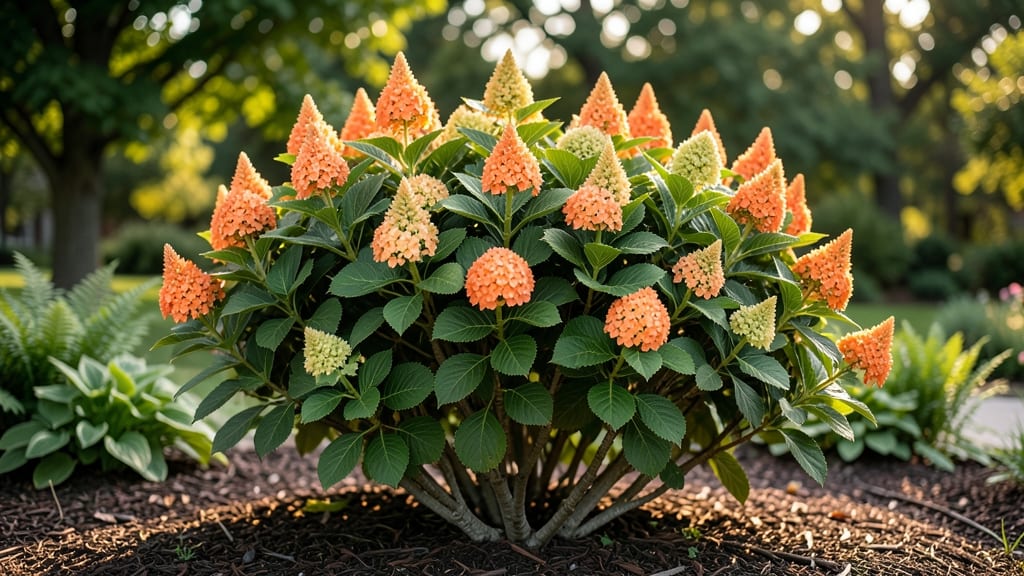
Your orange hydrangea bush will explode with color this summer if you prune it right now—while it's still dormant. ✂️ I've learned the hard way that waiting until spring means missing the best time to shape those canes for maximum blooms, and last winter's missed trim left me with fewer flowers than I wanted.
Late winter is the sweet spot: you'll find bare branches easier to work with, and the cuts heal faster before new growth starts. Grab your pruners and gloves, then focus on removing dead wood first—those blackened stems won't come back, and they're just stealing energy from your vibrant orange blooms.
What's left will reward you with fuller, bushier plants by midsummer.
You'll end up with a bush that looks like it belongs in a botanical garden, not just your backyard. The secret is cutting just above a bud that faces outward—this opens up the center for better airflow and sunlight, which means fewer pests and more dramatic blooms.
The first flush of orange flowers will arrive in 6-8 weeks after pruning, and they'll keep coming all season.
This method works for all hydrangea varieties, but timing matters most for those big, showy blooms. If you've ever wondered why your hydrangeas never live up to their potential, this is the fix. Let's get those canes looking sharp before spring arrives!
📚 In This Guide
- What you need
- Instructions
- Tips and common mistakes
- Wrapping up and next steps
What you need
- ○ Pruning shears: Bypass pruners (sharp, clean, and sterilized with rubbing alcohol or bleach to prevent disease). Optional: Loppers for thicker branches (1–2 inches in diameter).
- ● Gloves: Heavy-duty gardening gloves (cut-resistant for protection against thorns and sharp branches).
- ● Disposable pruning bags or bucket: For collecting and disposing of clippings (1–2 gallon size).
- ● Rake or leaf blower: To clear debris from the base of the bush after pruning.
- ○ Pruning sealant (optional): For sealing large cuts (e.g., Tree Seal or pruning wax).
- ● Weather check: Choose a dry, calm day with temps above freezing (ideally 40–60°F). Avoid pruning after rain or in windy conditions.
- ● Sterilization: Clean tools with 10% bleach solution (1 part bleach to 9 parts water) or rubbing alcohol to kill bacteria/fungi.
- ● Hydrangea ID: Confirm your bush is a macrophylla or paniculata type (orange hydrangeas are often paniculata, which bloom on new wood—prune aggressively!).
- ○ Safety gear (optional but recommended): Safety goggles (to shield eyes from flying debris).
- ● Long sleeves/pants (to protect against thorns).
Step-by-Step instructions for pruning your orange hydrangea bush
Here’s how I transform a tangled winter bush into a vibrant, blooming star—no guesswork, just clear cuts.
✂️ Step 1: Identify Dead and Weak Growth
Start by scanning your orange hydrangea for brown, brittle stems—these are dead and need removal. I grab a pair of sharp pruning shears and cut these stems all the way back to the base. Look for green stems with buds—these are alive and will produce new growth. Real talk: if you’re unsure, snap the stem. If it’s dry inside, it’s dead.
Next, spot any thin, spindly stems growing inward. These compete for energy and weaken the bush. I prune these too, but leave 2-3 inches of stem to encourage new, stronger growth. This is where you’ll see the bush’s structure start to open up—like giving it a fresh haircut.
✂️ Step 2: Thin Out Crowded Centers
Orange hydrangeas bloom on new wood, so we focus on shaping, not cutting back old blooms. Use your shears to remove 1/3 of the oldest stems at the base. These are the thickest, woodiest stems from last year. I always start at the center and work outward—this improves airflow and sunlight penetration, which prevents fungal issues.
Watch for crossing branches rubbing against each other. These will eventually tear and create entry points for disease. Cut the weaker of the two branches back to where they diverge. You’ll notice the bush’s skeleton becoming clearer—this is your reward for pruning strategically.
✂️ Step 3: Shape for Balance and Airflow
Step back and assess the bush’s shape. I like to aim for an open, vase-like form, which lets light reach the center. Cut back any remaining stems that are growing too close together or leaning inward. For every cut, imagine how sunlight will now flow through the bush—this is the key to lush, even blooms.
Leave 3-5 strong, healthy stems as your framework. These will support next year’s flowers. If a stem is too long, trim it to 12-18 inches from the base. This encourages bushier growth lower down, giving you more blooms at eye level. Here’s the thing—hydrangeas respond well to bold cuts, so don’t be shy.
⏰ Step 4: Clean Up and Fertilize
After pruning, remove all clippings from the area to prevent disease. I rake up debris and dispose of it in the trash—never compost hydrangea clippings, as they can harbor fungal spores. Now’s the time to apply a balanced fertilizer (like 10-10-10) around the base, but not touching the stems. This gives your bush a nutrient boost for spring.
Water deeply to help the roots recover. You’ll know it’s enough when water drains out the bottom of the pot (if container-grown) or soaks 6 inches into the soil. Avoid overwatering now—hydrangeas hate soggy roots. In 4-6 weeks, you’ll see new shoots emerging from the base. That’s your signal everything’s working.
Tips & tricks for pruning your orange hydrangea bush
These simple strategies will help you transform your tangled hydrangea into a thriving, blooming beauty—without the guesswork.
Tool Prep: Before you begin, sharpen your pruning shears by slicing through a few sheets of newspaper—this ensures clean cuts that heal faster. I also like to disinfect my shears with rubbing alcohol between cuts, especially when moving from dead to live branches. This prevents spreading any potential diseases lurking in your bush.
Visual Cues for Step 1: In Step 1, when identifying dead stems, look for a crisp, dry snap when you bend a branch. If it bends like a green twig, it's alive! For those tricky borderline stems, make a small cut and check the inside—if it's green, leave it; if brown, remove it. This visual test saves you from over-pruning healthy growth.
Framework Strategy: When shaping in Step 3, imagine your hydrangea as a vase—you want that open center to let sunlight reach all parts of the bush. Leave those 3-5 strongest stems as your framework, but don't be afraid to make bold cuts. Hydrangeas actually reward aggressive pruning with more vigorous growth. I've seen bushes double in size after a proper late-winter trim!
Post-Pruning Care: After cleaning up, I always do a final check for any remaining debris stuck in the branches. Use a small brush or your fingers to gently dislodge anything hiding in the foliage. This might seem like overkill, but it's these small details that prevent fungal issues down the road. Think of it as giving your bush a spa day after its makeover.
Pro Tips for Orange Hydrangea Bush
- These simple strategies will help you transform your tangled hydrangea into a thriving, blooming beauty—without the guesswork.
- Tool Prep: Before you begin, sharpen your pruning shears by slicing through a few sheets of newspaper—this ensures clean cuts that heal faster.
- Visual Cues for Step 1: In Step 1, when identifying dead stems, look for a crisp, dry snap when you bend a branch.
Frequently asked questions
When is the best time to prune my orange hydrangea?
Prune your orange hydrangea bush in late winter or early spring (before new growth starts)—ideally in February or March in most U.S. climates. This timing ensures you remove dead wood while preserving next year’s blooms. Avoid pruning in fall, as it can stimulate tender new growth that won’t survive winter. Pro tip: If your bush blooms on old wood (last year’s stems), wait until after flowering to trim!
How much can I cut back my orange hydrangea?
For most orange hydrangea varieties, you can reduce stems by 1/3 to 1/2 during late-winter pruning. Focus on dead, diseased, or crossing branches first, then thin out crowded areas. Never cut more than 1/3 of the plant at once—this can stress the bush and reduce blooms. If your hydrangea is overgrown, spread pruning over 2–3 years for safer recovery.
Why aren’t my orange hydrangea blooms as vibrant as last year?
Duller blooms often signal over-pruning, poor soil, or insufficient sunlight. Check these fixes:
- Soil health: Test pH (orange hydrangeas thrive in acidic soil, pH 5.5–6.2). Amend with peat moss or sulfur if needed.
- Sunlight: Ensure 6+ hours of morning sun (afternoon shade helps in hot climates).
- Watering: Keep soil consistently moist (not soggy) during bloom season.
- Fertilizer: Use a balanced, acid-loving plant fertilizer in early spring.
Can I prune my orange hydrangea in summer or fall?
While light summer pruning (to shape or remove spent blooms) is fine, avoid heavy cuts in fall or late summer. New growth stimulated by pruning won’t harden off before winter, risking frost damage. If you must prune in summer, do it early (June–July) and avoid cutting back more than 10%. Fall pruning is a no-go—save it for late winter!
What if my orange hydrangea looks dead after winter?
Don’t panic! Many hydrangeas drop leaves and appear dormant in winter. Wait until late winter or early spring to assess:
- Check for buds: Look for tiny green swellings at stem bases—these signal life!
- Test stems: Scratch a branch with your fingernail. If it’s green underneath, it’s alive.
- Water deeply: If soil is dry, hydrate the base before pruning.
Wrapping up and next steps
Pruning your orange hydrangea bush in late winter isn’t just about tidying up—it’s your secret weapon for stunning summer blooms! 🌸 By following the right techniques, you’ll encourage stronger growth, vibrant flowers, and a healthier plant.
Remember, patience and precision pay off, so take your time and enjoy the process.
Ready to transform your garden? Grab your pruners, mark your calendar for late winter, and get started! Your future hydrangea masterpiece awaits—happy pruning! 🌿✨