
Shrubs
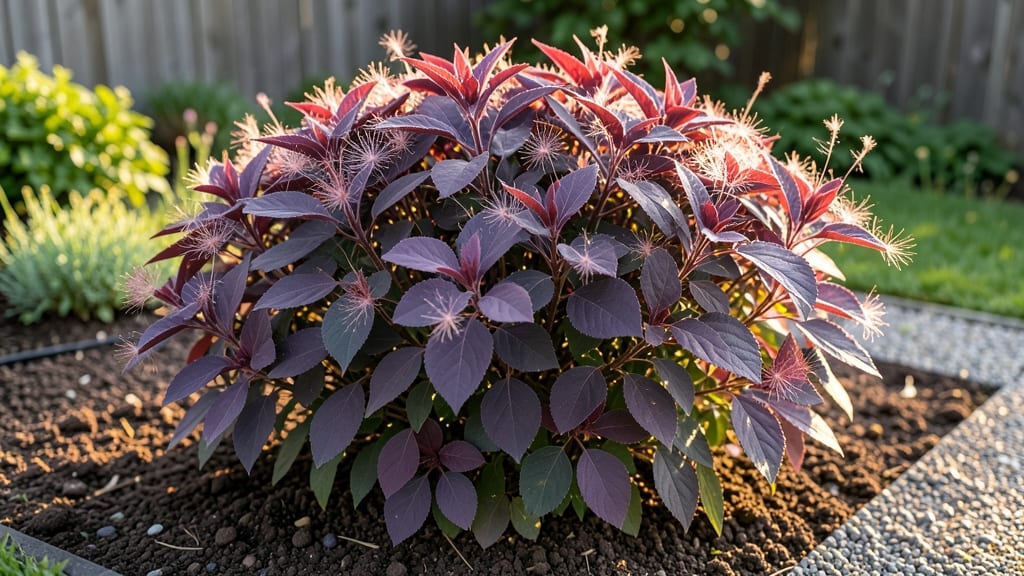
Growing a purple leaf smoke bush transforms your yard into a year-round showstopper with almost no effort. 🌿 The deep purple foliage and wispy pink plumes make it the star of any landscape, and once established, it thrives with minimal fuss—perfect for busy gardeners or beginners.
This hardy shrub handles everything from full sun to partial shade and tolerates poor soil better than most plants. Just plant it in well-draining soil, water regularly the first year, and let it grow.
The real magic happens in late summer when those feathery plumes appear, swaying like smoke in the breeze. With just a light pruning every few years, you’ll enjoy vibrant color from spring through fall, and even winter interest with its striking bark.
It’s the kind of plant that grows more beautiful each season without demanding constant attention. Whether you’re filling a large border or a small container, this shrub delivers drama with almost no upkeep. Let’s get yours planted for a low-maintenance, high-impact addition to your garden.
📚 In This Guide
- What you need
- Instructions
- Tips and common mistakes
- Wrapping up and next steps
What you need
- ● Purple leaf smoke bush (Cotinus coggygria 'Royal Purple') – 1 nursery-grown plant (3-5 gallons) or seeds (if starting from scratch).
- ● Well-draining soil mix – 50% native soil, 30% compost, 20% perlite or sand (for aeration).
- ● Organic mulch – 2-3 inches of shredded bark or wood chips (to retain moisture and suppress weeds).
- ● Slow-release fertilizer – Balanced 10-10-10 or a shrub-specific formula (1 lb per plant).
- ● Garden gloves & trowel – For safe handling and planting.
- ● Watering can or hose with a gentle spray nozzle – For consistent moisture.
- ● Pruning shears – Sharp, bypass-style shears (for shaping and maintenance).
- ● Soil pH tester – Ideal pH range: 6.0–7.0 (adjust with lime or sulfur if needed).
- ○ Drip irrigation system – Optional but helpful for drought-prone areas.
- ● Epsom salt (magnesium sulfate) – 1 tbsp per gallon of water (monthly foliar spray for vibrant foliage).
- ● Frost cloth – For young plants in colder climates (zones 5-8).
How to plant and care for purple leaf smoke bush for season-long color
This hardy shrub thrives with just a few smart steps—here’s my foolproof method for lush, vibrant growth.
🌱 Step 1: Choose the Perfect Planting Spot
Purple leaf smoke bush (Cotinus coggygria) loves full sun to partial shade—at least 6 hours of direct light daily. I always plant mine where they’ll get morning sun and afternoon shade in hot climates, which prevents leaf scorch. The foliage’s signature purple hue deepens in full sun, but it tolerates shade beautifully too.
Well-draining soil is critical—this plant hates soggy roots. If your soil drains poorly, mix in 2-3 inches of compost or plant on a slight mound. The roots spread wide, so give it 8-10 feet of space between plants. You’ll see the most dramatic color when planted in groups of three or more.
🪴 Step 2: Plant at the Right Depth and Water Thoroughly
Dig a hole twice as wide as the root ball but no deeper—planting too low suffocates roots. Gently loosen the root ball if it’s tightly bound, then place the shrub in the hole so the top of the root ball sits 1 inch above ground level. This prevents water from pooling around the stem.
Backfill with native soil, pressing lightly to remove air pockets. Water immediately with 1 gallon of water per foot of plant height (about 3-4 gallons total for a 3-foot shrub). The soil should feel moist 6 inches down—use a trowel to check. Mulch with 2-3 inches of organic mulch—like shredded bark—to retain moisture and regulate soil temperature.
☀️ Step 3: Prune Strategically for Shape and Health
Purple leaf smoke bush needs minimal pruning—just light shaping in late winter or early spring—before new growth begins. I trim back any dead, crossing, or weak branches first, cutting just above a healthy bud. This encourages fuller growth and prevents disease.
For a more dramatic look, you can prune lightly after flowering to maintain shape. Never remove more than 25% of the plant at once—this shrub rebounds beautifully but can stress if over-pruned. Watch for "smoke" plumes (the feathery seed clusters) in summer—they’re a sign of a healthy, mature plant.
💧 Step 4: Water and Fertilize for Year-Round Color
Once established, purple leaf smoke bush is drought-tolerant, but young plants need deep watering once a week—more in extreme heat. Water at the base, avoiding the foliage, to prevent fungal issues. You’ll know it’s time to water when the top 2 inches of soil feel dry—stick your finger in to check.
Fertilize lightly in early spring with a balanced, slow-release fertilizer—like 10-10-10—applied at half strength. Over-fertilizing leads to leafy growth at the expense of that stunning purple color. I skip fertilizer entirely in the second year if the plant looks healthy.
⏰ Step 5: Protect and Enjoy Year-Round Beauty
This shrub handles cold down to Zone 4—no winter prep needed unless you’re in an exposed area. In that case, wrap young plants with burlap or use a light mulch layer. The foliage often turns fiery red or orange in fall, adding another season of interest.
Watch for spider mites in dry conditions—hose the plant down if you spot webbing. Otherwise, this shrub is low-maintenance and rewards patience with vibrant color from spring to frost—and even into winter in milder climates. The best part? It thrives with almost no fuss.
Tips & tricks for perfect purple leaf smoke bush growth
These simple strategies will help you coax the most vibrant color and health from your purple leaf smoke bush with minimal effort.
Lighting Secrets: The 6 hours of direct sunlight mentioned in Step 1 is non-negotiable for that deep purple color, but here's what I've learned: morning sun (before 10 AM) is more valuable than afternoon sun in hot climates. If you notice leaf edges turning brown, that's a sign of afternoon sunburn. Try moving plants slightly or providing afternoon shade with a sheer curtain during peak summer heat.
Root Health Strategy: When amending soil with 2-3 inches of compost as recommended in Step 1, I like to add a handful of perlite or coarse sand to improve drainage even further. This is especially important if your native soil feels heavy or clay-like. The roots will thank you with better oxygen flow and less risk of root rot during those inevitable heavy rains.
Pruning Precision: That 25% pruning limit in Step 3 might seem restrictive, but trust me—it's designed to prevent stress. When shaping your bush, focus on removing branches that cross or grow inward. These are the ones that create weak spots and disease entry points. The smoke plumes you'll see in summer are actually a sign of a healthy plant, so don't be tempted to cut them back—they're part of the plant's natural beauty.
Watering Wisdom: The finger-check method for soil moisture in Step 4 works perfectly, but here's a pro tip: water deeply in the morning rather than evening. This gives the roots time to absorb moisture before evening temperatures drop. In extreme heat, I increase watering to twice weekly, but always check that 2-inch soil depth before watering again.
Pro Tips for Purple Leaf Smoke Bush
- These simple strategies will help you coax the most vibrant color and health from your purple leaf smoke bush with minimal effort.
- If you notice leaf edges turning brown, that's a sign of afternoon sunburn.
- Root Health Strategy: When amending soil with 2-3 inches of compost as recommended in Step 1, I like to add a handful of perlite or coarse sand to improve drainage even further.
Frequently asked questions
Got questions about keeping your purple leaf smoke bush thriving? You’re not alone! Here are some of the most common queries—plus quick, actionable answers to keep your shrub looking its best year-round.
How fast does a purple leaf smoke bush grow?
A healthy Cotinus coggygria grows about 12–24 inches per year under ideal conditions. With proper sunlight (full sun to part shade) and well-draining soil, you’ll see steady growth. Patience pays off—these shrubs can reach 10–15 feet tall and wide over time, so plan your space accordingly!
Is a purple leaf smoke bush cold-hardy?
This shrub thrives in USDA Zones 3–8, making it perfect for most U.S. climates. It tolerates winter temps down to -30°F, but young plants may need winter mulch in harsh zones. Pro tip: Prune in late winter to encourage fresh, vibrant foliage before spring!
Can I grow a purple leaf smoke bush in a container?
Yes, but choose a large pot (at least 24 inches wide) with drainage holes. Use a lightweight, well-draining potting mix and repot every 2–3 years to refresh nutrients. Containers dry out faster, so water deeply 2–3 times per week in summer. Just remember: container-grown shrubs may stay smaller than in-ground plants.
Why are my purple leaf smoke bush leaves turning brown or yellow?
Brown or yellow leaves usually signal overwatering, underwatering, or nutrient issues. Check soil moisture—it should be dry 1–2 inches down between waterings. Yellowing can also mean iron deficiency; apply a chelated iron supplement if needed. Pro tip: Avoid wet foliage to prevent fungal diseases like powdery mildew!
What are some great alternatives if I can’t grow a purple leaf smoke bush?
If your climate or space doesn’t suit this shrub, try these stunning purplish-blue foliage picks:
- Dwarf Fothergilla (Fothergilla gardenii) – Fragrant spring blooms + fall color.
- Ninebark (Physocarpus opulifolius) – Tough, low-maintenance, and great for hedges.
- Japanese Maple (Acer palmatum) – Delicate lace-like leaves in shades of purple.
- Smoke Tree ‘Royal Purple’ (Cotinus coggygria ‘Royal Purple’) – A deeper-purple cousin!
Each offers unique textures and colors to brighten your landscape!
Wrapping up and next steps
The Purple Leaf Smoke Bush is a stunning, low-maintenance shrub that brings bold color and texture to any landscape—and yes, it’s easier to care for than you think! With the right soil, sunlight, and a little patience, you’ll enjoy its smoky-purple foliage year-round with minimal pruning.
Whether you’re a seasoned gardener or just starting, this bush is a game-changer for adding drama to your garden.
Ready to transform your outdoor space? Start by choosing the perfect spot—then grab your gloves and get planting! 🌱