
Pruning
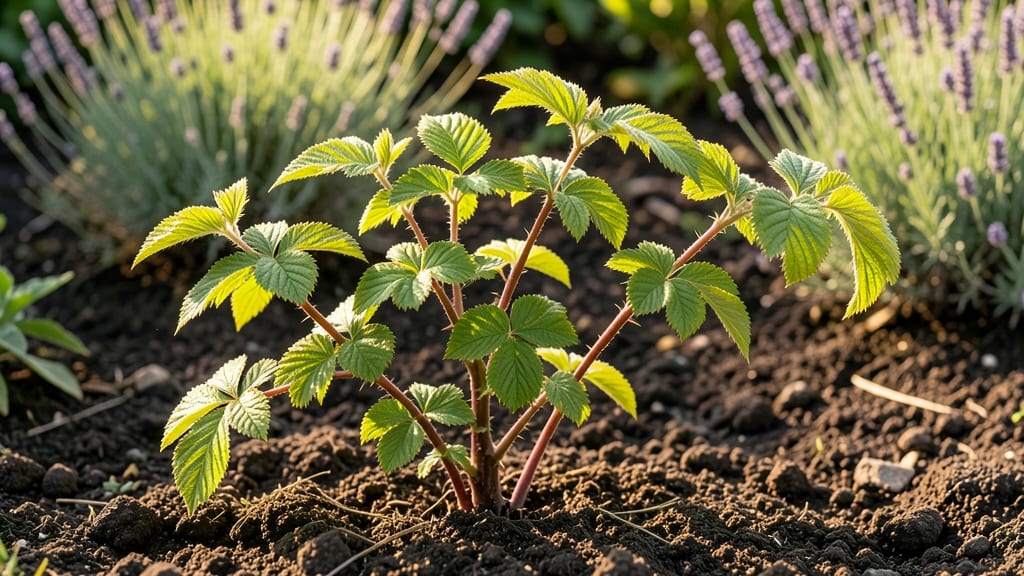
Your raspberry bush sprouts hold the key to year-round harvests—if you trim them right. 🌱 I learned the hard way that skipping this step means half your canes produce nothing but thorns. The secret isn't complicated: it's about timing, technique, and understanding how raspberries grow.
Start with well-drained soil and plant crowns just above ground level—never deeper than 1 inch. Space canes 2-3 feet apart in full sun, and water deeply twice a week until roots establish.
The first year is all about building strong roots, not fruit. Weak seedlings? Check for compacted soil or overwatering—raspberries hate soggy feet.
By summer's end, you'll see vigorous new shoots—these are your future harvesters. Pinch off the first blossoms to redirect energy into cane growth. Come winter, you'll prune the old canes down to the ground, leaving only the new ones to fruit next season.
It takes patience, but the payoff is berries from late summer through frost.
This method works for both summer-bearing and fall-bearing varieties, and even small spaces can handle 2-3 canes. The key is consistency—once you master the rhythm, your bushes will reward you with more berries than you know what to do with. Let's get those canes growing strong!
📚 In This Guide
- What you need
- Instructions
- Tips and common mistakes
- Wrapping up and next steps
What you need
- ● Pruning shears or loppers: Choose bypass pruners (for clean cuts) or loppers (for thicker stems). Quantity: 1 pair (or 2 if working with large bushes). Spec: Sharp, stainless steel blades (avoid dull tools—they crush stems!).
- ● Gloves: Heavy-duty gardening gloves (thick leather or reinforced fabric) to protect against thorns. Spec: Long cuffs to prevent scratches.
- ○ Disinfectant (optional but recommended): 70% isopropyl alcohol or a pruner disinfectant spray to prevent disease spread between cuts.
- ● Pruning saw (for thick stems): Only needed if your raspberry canes exceed ½-inch diameter. Spec: Fine-toothed blade for clean cuts.
- ○ Marking twine or flags (optional): For tagging canes you plan to remove or keep. Spec: Bright-colored twine for visibility.
- ● Healthy raspberry bush: Ensure your plants are at least 2–3 years old (younger bushes need time to establish). Look for vigor (green leaves, no wilting) and thorn presence (a sign of maturity).
- ● Know your raspberry type: Flowering (primocane) vs. summer-bearing (floricane) varieties require different pruning timelines. Check your plant tags or research your variety!
- ● Weather window: Prune on a dry, calm day (avoid rain for 24 hours before/after to prevent fungal issues). Ideal temps: 50–75°F (10–24°C).
- ● Clean workspace: Lay down a tarp or old sheet to collect debris and make cleanup easier.
Step-by-Step guide to pruning raspberry bushes for year-round harvests
Here’s how I transform raspberry bushes into productive, low-maintenance harvest machines.
✂️ Step 1: Identify and Remove Dead or Weak Canes
Start by examining your bushes in late winter or early spring before new growth begins. Look for canes that are brown, brittle, or hollow at the base—these are dead and should be cut at ground level. Weak canes with thin stems or no buds are also candidates for removal. I like to bundle these together and dispose of them away from the garden to prevent disease spread.
Healthy canes should feel firm and have visible buds along their length. If you’re unsure, scratch the bark—green underneath means it’s alive. Remove any canes that are older than three years, as they produce smaller, lower-quality berries. This step ensures your energy goes into strong, productive canes.
✂️ Step 2: Prune Summer-Fruiting Canes to Encourage Fall Harvests
Summer-bearing raspberries produce fruit on second-year canes, so you’ll need to prune strategically. After the first harvest, cut back any canes that have already fruited to the ground. These canes have given their best and won’t produce well again. Leave the new, thin canes that emerged this year—they’ll fruit next summer.
I always leave about 6-8 of the strongest, healthiest canes per plant to avoid overcrowding. Thin them out if necessary, cutting at a 45-degree angle just above a bud or lateral branch. This encourages bushier growth and better air circulation, which reduces disease risk. Watch for new shoots growing from the base—these are your future fruiting canes.
✂️ Step 3: Trim Fall-Fruiting Canes for Winter Productivity
Fall-bearing raspberries are different—they produce fruit on both first- and second-year canes. After the fall harvest, cut back all canes to 6-12 inches above the ground. This pruning shock encourages vigorous new growth in spring, which will fruit that same fall. It’s a bit counterintuitive, but it works like a charm.
Use sharp pruners to make clean cuts, and avoid leaving stubs. The goal is to stimulate fresh, strong canes that will bear fruit within the same growing season. I mark the pruned area with a small stake so I don’t accidentally prune it again in spring. This method keeps your bushes productive year after year without sacrificing yield.
✂️ Step 4: Lightly Prune in Late Summer for Airflow and Light
About 6-8 weeks before your first frost, give your bushes a final light pruning to improve airflow and light penetration. Remove any crossing or rubbing canes that could cause damage or disease. Thin out crowded areas by cutting back the weakest canes to the base. This step is all about creating space for your remaining canes to thrive.
I also look for canes that are growing at odd angles or leaning too much—they’re often competing for light and nutrients. Cutting them back encourages the bush to redirect its energy to the stronger, upright canes. This late-summer trim sets your bushes up for a strong start in spring, ensuring a bountiful harvest the following year.
🌱 Step 5: Mulch and Fertilize After Pruning
Once pruning is done, spread a 2-3 inch layer of organic mulch around the base of the plants but keep it 6 inches away from the stems to prevent rot. I use shredded leaves or straw because they break down slowly and improve soil structure. This mulch also helps retain moisture and suppress weeds, which is a game-changer in hot, dry summers.
Apply a balanced, slow-release fertilizer (like 10-10-10) in early spring and again after pruning to replenish nutrients. Avoid over-fertilizing, as raspberries prefer slightly acidic, well-draining soil. Water deeply after fertilizing to help nutrients penetrate the root zone. Your bushes will thank you with lush, healthy growth and a steady supply of berries.
Tips & tricks for perfect raspberry bush pruning
Transforming raspberry bushes into year-round harvest machines takes precision—and these tips will help you avoid the most common pitfalls while maximizing your yield.
Timing is Everything: Late winter or early spring is the ideal window for Step 1 because dormant bushes are easier to assess. I wait until the ground is workable but before buds begin to swell—this gives you the clearest view of which canes are truly dead versus just dormant. If you're in a warmer climate, aim for February or early March when temperatures consistently stay above freezing at night.
Canes Count Matters: In Step 2, maintaining that 6-8 cane balance is crucial for summer-bearing varieties. Here's my trick: bundle the removed canes together and lay them across the base of the plant—this creates a natural windbreak that protects new shoots from winter winds. For fall-bearing types in Step 3, that 6-12 inch prune height might feel aggressive, but trust me: the vigorous regrowth you'll see in spring is worth it for that fall harvest.
Tool Technique: Using sharp pruners isn't just about clean cuts—it's about plant health. Dull blades crush stems and create entry points for disease. I keep a pair of bypass pruners dedicated solely to raspberries, sharpening them annually. For the 45-degree angle cuts in Step 2, visualize slicing a pie—this angle prevents water from pooling on the cut, which reduces rot risk. Always sterilize your tools with rubbing alcohol between plants to prevent cross-contamination.
Seasonal Strategy: That late summer pruning in Step 4 (6-8 weeks before frost) might seem counterintuitive when you're eager for fall harvests, but it's actually preparing your bushes for next year's productivity. I mark my calendar with the first frost date and count backward—this helps me time the pruning perfectly. The key is to remove only the weakest canes, leaving the strongest to store energy for spring growth.
Pro Tips for Raspberry Bush Sprouts
- Transforming raspberry bushes into year-round harvest machines takes precision—and these tips will help you avoid the most common pitfalls while maximizing your yield.
- Timing is Everything: Late winter or early spring is the ideal window for Step 1 because dormant bushes are easier to assess.
- Canes Count Matters: In Step 2, maintaining that 6-8 cane balance is crucial for summer-bearing varieties.
Frequently asked questions
Got questions about raspberry bush sprouts and year-round harvests?
Here are some of the most common ones—plus clear, actionable answers to keep your bushes thriving!
When is the best time to trim raspberry bushes for sprouts?
Trim raspberry bushes after the first harvest (late summer) and again in early spring before new growth starts. This encourages fresh, tender sprouts while preventing overcrowding. Avoid heavy pruning in fall—it can stress the plant before winter.
How long does it take for new sprouts to grow after pruning?
New sprouts typically appear within 2–4 weeks after pruning, depending on weather and soil conditions. Warm, sunny days with consistent moisture speed up regrowth. If sprouts are slow, check for pests, drought, or nutrient deficiencies.
Should I cut back old canes or just the new growth?
Focus on removing old, woody canes (3+ years) and any dead/diseased stems. Leave 1–2 young canes per plant to produce fruit. Thin crowded areas to improve airflow and sunlight—this boosts both fruit and sprout production!
Can I eat raspberry bush sprouts like I would regular raspberries?
Yes! Young, tender sprouts (leaves and stems) are edible and packed with nutrients. Harvest them before flowering for the mildest flavor. Use them in salads, teas, or sautéed dishes. Note: Avoid overharvesting—balance sprout yield with fruit production.
Why aren’t my raspberry bushes sprouting after pruning?
Common culprits include:
- Poor soil: Test for nutrients (especially nitrogen) and amend with compost.
- Pests/disease: Check for aphids, spider mites, or fungal spots.
- Over/under-watering: Keep soil consistently moist but not soggy.
- Wrong timing: Prune in late winter/early spring for best results.
If issues persist, consult a local extension office for diagnostics.
Wrapping up and next steps
Growing your own raspberry bush sprouts year-round is totally doable with the right techniques! By mastering precision trimming, you’ll enjoy a bountiful harvest while keeping your plants healthy and thriving. Whether you’re a beginner or a seasoned gardener, these tips will help you maximize your raspberry yield effortlessly.
Now that you’re armed with the knowledge, grab those pruners and get started! Experiment with different trimming styles, track your plant’s progress, and soon you’ll be reaping the rewards of your hard work. Happy gardening! 🌱✂️