
Pruning
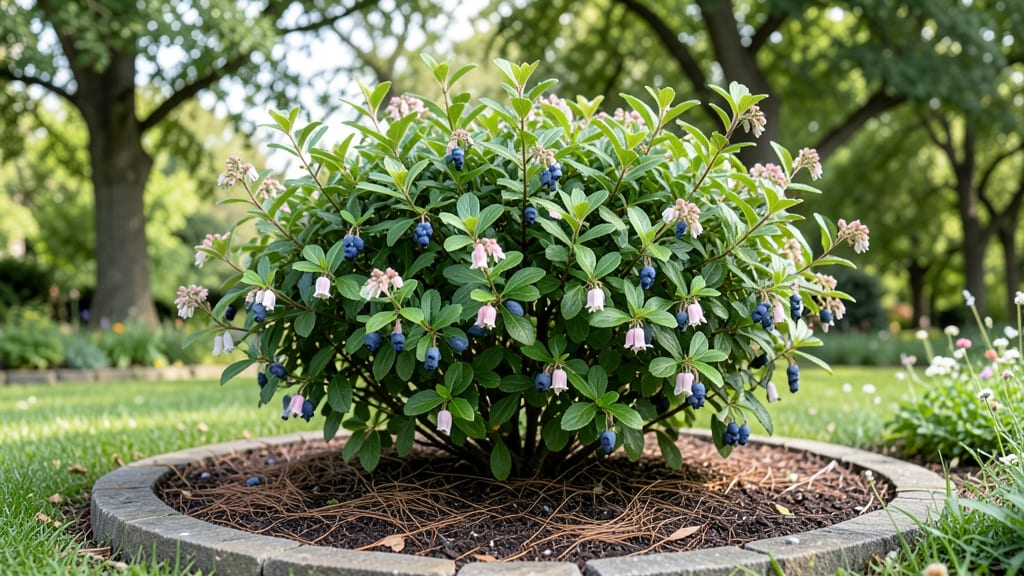
Late-winter pruning turns your Sunshine blueberry bush into a berry-producing powerhouse. ✂️ I’ve watched this variety go from scraggly branches to bursting with fruit just by making a few key cuts at the right time—and the difference in harvest is shocking.
The secret isn’t aggressive pruning—it’s strategic. Focus on removing dead wood, thinning crowded stems, and shaping the bush to let sunlight reach the center. Most gardeners over-prune, but Sunshine bushes reward patience with 2-3 years of heavy production once you get the timing right.
By late winter, you’ll see new red shoots emerging within 2-3 weeks of pruning, and those become your fruit-bearing branches. The berries themselves stay vibrant blue, sweet, and abundant—exactly what you planted for.
Works in zones 4-8, whether you’re growing in containers or in-ground. Here’s how to do it without a single guess.
📚 In This Guide
- What you need
- Instructions
- Tips and common mistakes
- Wrapping up and next steps
What you need
- ● Pruning shears: Bypass pruners (sharp, clean, and sterilized with rubbing alcohol to prevent disease). Specs: 5-7" blades, ergonomic grip.
- ● Loppers: For thicker branches (up to 2" diameter). Specs: 8-10" cutting capacity, bypass or anvil type (bypass preferred).
- ● Hand saw: For stubborn, woody stems. Specs: Curved blade (10-12" length), fine-toothed for clean cuts.
- ● Gloves: Heavy-duty, cut-resistant (e.g., leather or reinforced fabric) to protect from thorns and sap.
- ● Disinfectant: 70% isopropyl alcohol or a 10% bleach solution (1 part bleach to 9 parts water) to sanitize tools between cuts.
- ○ Pruning sealant (optional but helpful): Tree wound paint or pruning wax to coat large cuts (over ½" diameter) and prevent disease entry.
- ● Bucket or bag: For collecting pruned branches (10-20 gallon capacity, depending on bush size).
- ● Marking twine or flags: To tag branches for removal (if needed for structural pruning).
- ● Extension pole: For tall bushes (3-6 ft), with a saw or loppers attachment.
- ● Knee pads: If your bush is sprawling or you’ll be kneeling for extended periods.
- ● Sharpener: A file or honing tool to keep blades razor-sharp mid-pruning.
- ● Safety glasses: To shield eyes from debris, especially when using a saw.
- ● Notebook & pen: To jot down notes on branch placement or pruning patterns for future reference.
Step-by-step instructions for late-winter pruning of Sunshine blueberry bushes
Here’s how to revive your blueberry bush and set it up for a bumper crop—no guesswork, just proven techniques.
🌿 Step 1: Identify and Remove Dead or Damaged Wood
Start by examining the bush closely for branches that are completely brown, brittle, or showing no signs of life. These are the first to go—they’re dead weight and won’t produce fruit. Use sharp pruning shears to cut these branches back to the main stem or to a healthy lateral branch. I always make cuts at a 45-degree angle just above a bud or lateral branch to encourage proper healing and growth.
Watch for branches that are cracked, split, or showing signs of disease like blackened cankers or fungal growth. These should also be removed immediately. If you’re unsure whether a branch is dead, scratch the bark with your fingernail—if it’s green underneath, it’s still alive and can be saved. This step is critical because dead wood can harbor pests and diseases that will spread to healthy branches.
✂️ Step 2: Thin Out Overcrowded Branches
Next, focus on the bush’s structure. Blueberry bushes thrive when they have good air circulation, so aim to remove 20-30% of the oldest, thickest branches to open up the center. These older branches produce fewer berries and compete with younger growth for nutrients. Cut them back to the base or to a younger, vigorous branch.
Look for branches that cross or rub against each other—these will eventually create wounds that invite disease. Remove the weaker of the two branches at the point where they intersect. You’ll know you’re on the right track when you can see light filtering through the center of the bush. This isn’t just about aesthetics; it’s about ensuring every remaining branch gets the sunlight and nutrients it needs to produce fruit.
☀️ Step 3: Shape the Bush for Optimal Sunlight and Airflow
Now it’s time to refine the shape of your blueberry bush. The goal is to create an open, vase-like structure that allows sunlight to reach all parts of the plant. Start by selecting 3-5 of the strongest, most upright branches—these will form the main framework of the bush. Remove any branches that grow inward or downward, as these will shade out the center and reduce fruit production.
Make your cuts just above a bud that’s facing outward. This encourages new growth to fill in gaps while maintaining an open structure. Step back frequently to check your progress—you should be able to see the bush’s natural form emerging. Avoid over-pruning; the idea is to guide growth, not to drastically reduce the size of the plant. A well-shaped bush will reward you with better fruit quality and easier harvesting.
🪴 Step 4: Prune for Fruit Production
Blueberries produce fruit on one-year-old wood, so focus on branches that are 1-2 years old and have already borne fruit. Cut these back by one-third to one-half to encourage the growth of new fruiting wood. For example, if a branch produced berries last year, prune it back to a point where it was 12-18 inches long before last year’s growth. This stimulates the bush to produce new branches that will bear fruit next season.
Pay attention to the flower buds that form in late winter—these are your future berries. Avoid cutting into these clusters, as they’re essential for next year’s harvest. If you’re unsure where the flower buds are, look for small, rounded swellings along the branches. Pruning too aggressively here will reduce your yield, so err on the side of caution. The goal is balance: enough pruning to encourage new growth, but not so much that you sacrifice next year’s crop.
Tips & tricks for perfect Sunshine blueberry bush pruning
Here's what nobody tells you about pruning that'll transform your blueberry harvest this season.
Tool Selection: Invest in a pair of high-quality bypass pruning shears—anvil-style shears can crush branches, leaving jagged edges that heal poorly. I also keep a small folding saw on hand for thicker branches over ½-inch in diameter. Sterilize your tools with rubbing alcohol between cuts to prevent spreading disease from branch to branch. This simple step can mean the difference between a healthy bush and one struggling with fungal infections.
Timing Secret: Late winter is ideal because the bush is dormant, making it easier to see the structure and identify dead wood. If you missed the window, don't panic—you can still prune in early spring before buds swell, but avoid pruning when the bush is actively growing. The key is to prune when you can see the bush's natural form clearly without the distraction of leaves or flowers. This clarity helps you make more precise cuts that encourage better growth patterns.
Visual Cues for Pruning: In Step 4, when you're pruning for fruit production, look for those small, rounded flower buds that form along last year's branches. They'll appear as tiny swellings about the size of a pea. If you accidentally cut into one, don't worry—just make sure you're leaving enough wood to support next year's crop. I always count backward from the tip of the branch, cutting back to where it was 12-18 inches long before last year's growth. This visual reference helps maintain the right balance between old and new wood.
Post-Pruning Care: After you've finished pruning, give your bush a good cleanup by removing all pruned branches and debris from the area. This prevents pests and diseases from taking up residence in the pruned material. I also apply a 2-3 inch layer of organic mulch around the base of the plant, keeping it clear of the trunk. This helps retain moisture, regulate soil temperature, and suppress weeds—all of which contribute to a healthier bush ready for spring growth.
Pro Tips for Sunshine Blueberry Bush
- Here's what nobody tells you about pruning that'll transform your blueberry harvest this season.
- Tool Selection: Invest in a pair of high-quality bypass pruning shears—anvil-style shears can crush branches, leaving jagged edges that heal poorly.
- Timing Secret: Late winter is ideal because the bush is dormant, making it easier to see the structure and identify dead wood.
Frequently asked questions
Got questions about keeping your Sunshine Blueberry Bush thriving with the perfect late-winter prune? Here are answers to the most common ones—so you can grow bigger, juicier berries with confidence!
When is the exact best time to prune my Sunshine Blueberry Bush?
The ideal window is late winter (February–March in most zones), before buds swell but before new growth starts. This timing promotes airflow, reduces disease risk, and ensures energy goes to fruit production—not new leaves. If you miss it, early spring (after frost) is the next best option.
How much can I cut back? Should I remove entire branches?
For Sunshine Blueberry Bushes, aim to remove 10–30% of the oldest wood (branches >3 years old) to rejuvenate growth. Cut back to a healthy bud or lateral branch—never leave stubs. Thin out crossing or dead branches first, then shape the bush like an open vase for sunlight access.
What if I prune at the wrong time? Will my bush die?
Pruning at the wrong time won’t kill your bush, but it can stress it. Avoid pruning in fall or summer—this invites pests/diseases and delays next year’s berries. If you prune too late, focus on light shaping (removing only dead/diseased wood) and prioritize next year’s late-winter trim.
Why aren’t my blueberries as big as last year after pruning?
Smaller berries often mean over-pruning (cutting too aggressively) or under-fertilizing. Check for:
- Balanced pruning: Keep 2–3 years of wood per branch.
- Acidic soil (pH 4.5–5.5)—test and amend with sulfur if needed.
- Consistent watering: 1–1.5 inches/week during fruit set.
Can I use the same pruning tools on my Sunshine Blueberry Bush as I do for other plants?
Not ideal! Blueberries benefit from sterilized, sharp tools to prevent bacterial spread (like canker disease). Use:
- Bypass pruners (for small branches).
- Loppers (for thicker stems).
- Disinfect tools with 70% rubbing alcohol between cuts.
Wrapping up and next steps
Pruning your Sunshine Blueberry Bush in late winter isn’t just a chore—it’s the secret to a bountiful harvest! 🌿 By following these steps, you’ll boost airflow, encourage strong growth, and keep pests at bay.
Now that you’re armed with the right tools, techniques, and timing, there’s no better moment to roll up your sleeves and give your bush the care it deserves.
Ready to transform your garden? Mark your calendar for late winter or early spring, grab your pruners, and get trimming! Your future blueberry pies will thank you—literally. 🍰