
Shrubs
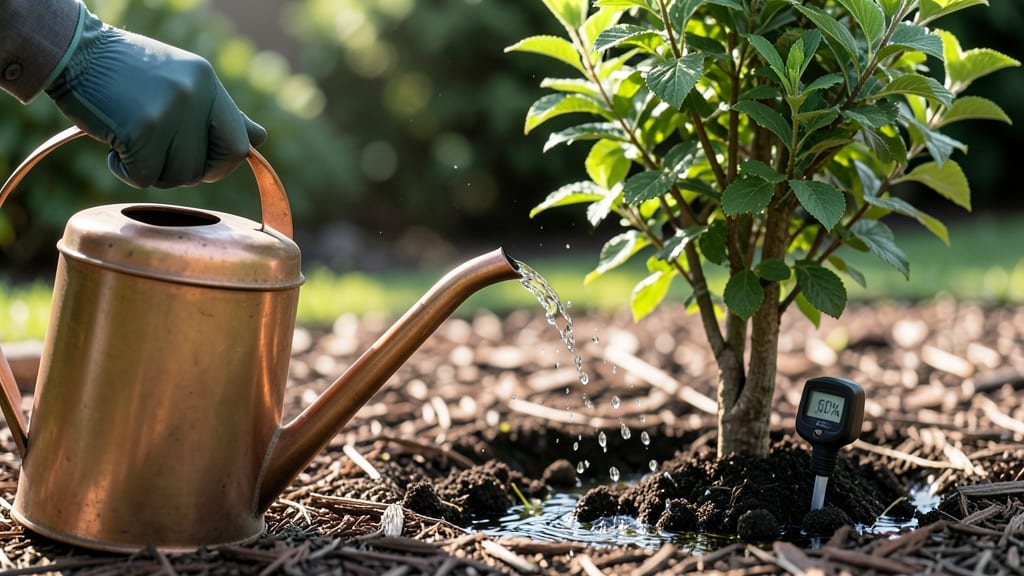
Watering new bushes correctly is the difference between a thriving landscape and a sad, wilted investment 🌱—and most gardeners get it wrong without even realizing it.
You’ve just planted your new bushes, maybe even paid a pretty penny for them, but here’s the hard truth: overwatering or inconsistent watering kills more shrubs in their first year than pests or disease ever could.
The key isn’t just how much you water, but when and how deep—and most guides skip the critical details that actually save your plants.
In this guide, I’ll walk you through the exact watering schedule your bushes need to establish strong roots, from the first few weeks after planting to seasonal adjustments for heatwaves or drought.
You’ll learn how to check soil moisture like a pro, why morning watering beats evening every time, and the three signs your bushes are either drowning or thirsty.
Whether you’re in Zone 6a or dealing with sandy soil that drains too fast, these tips will help your new bushes grow into sturdy, long-lived additions to your yard—without the guesswork.
How often to water new bushes for strong root development
New bushes need consistent moisture during their first year to establish strong roots, but overwatering can suffocate them just as much as underwatering. The key is deep, infrequent watering that encourages roots to grow downward—where they’ll find stability.
I’ve learned that evergreens and deciduous bushes have different needs, and soil type plays a huge role in how often you should water. Let’s break down the science-backed schedule that keeps your shrubs thriving without wasting water.
When you plant a new bush, the root ball needs immediate hydration to reduce transplant shock. Water thoroughly at planting—about 1-2 gallons for small bushes, up to 5 gallons for mature-sized shrubs. This initial soak helps settle the soil and removes air pockets.
After that, weekly deep watering is your goal, but adjust based on rainfall, soil type, and bush type. For example, sandy soil drains fast and may need watering every 5-7 days, while clay soil holds moisture longer and can go 10-14 days between waterings.
| Bush Type | Soil Type | Watering Frequency (First Year) | Depth per Watering | Seasonal Adjustments |
|---|---|---|---|---|
| Evergreen (e.g., Boxwood, Holly) | Sandy | Every 5-7 days | 6-8 inches | Reduce to bi-weekly in winter |
| Evergreen (e.g., Boxwood, Holly) | Clay | Every 10-14 days | 8-10 inches | Skip winter watering if dormant |
| Deciduous (e.g., Azalea, Rose) | Sandy | Every 6-8 days | 6-8 inches | Increase to daily in extreme heat |
| Deciduous (e.g., Azalea, Rose) | Loam | Every 7-10 days | 8-10 inches | Reduce in fall as growth slows |
| Container-Grown (Any Type) | Any | Every 3-5 days | Until water runs out drainage hole | Check soil daily in summer |
To avoid guesswork, test your soil moisture before watering. Stick your finger 2-3 inches deep—if it feels dry, it’s time to water.
For a more precise check, use a moisture meter. Evergreens like boxwoods and hollies prefer consistently moist (but not soggy) soil, while deciduous bushes like azaleas can tolerate slightly drier conditions once established.
The first year is critical because young roots are fragile and need protection from both drought stress and root rot.
Seasonal changes demand adjustments. In spring and summer, when growth is most active, water deeply every 5-14 days, depending on your soil. Morning watering is ideal—it reduces evaporation and gives foliage time to dry before evening, preventing fungal diseases.
In fall, as temperatures drop, reduce watering to every 2-3 weeks for most bushes. Winter care varies: evergreens need occasional watering (even in cold climates) to prevent desiccation, while deciduous bushes often enter dormancy and require little to no water.
Mulching is a game-changer for new bushes. Apply 2-3 inches of organic mulch (like shredded bark or pine straw) around the base, but keep it 2-3 inches away from the stem to prevent rot.
Mulch retains moisture, regulates soil temperature, and suppresses weeds—all of which reduce your watering workload by up to 30%. Just remember to replenish mulch annually as it breaks down. This simple step can mean the difference between a thriving bush and one struggling to survive.
Watch for visual cues that your watering routine isn’t working. Wilting leaves, yellowing foliage, or crispy edges signal underwatering, while mushy stems, yellowing leaves, or pale, sparse growth indicate overwatering. Container-grown bushes are especially vulnerable—since pots dry out faster, check them every 2-3 days in hot weather.
If the top 1 inch of soil is dry, it’s time to water. Pro tip: Group containers together to create a microclimate that
Common watering mistakes that stunt bush growth (and how to fix them)
Even the most beautiful new bushes can struggle if you don't water them correctly. I've seen thriving gardens turn into sad, stunted plants because of simple watering errors.
The first year is critical for root development, and small mistakes can derail your shrubs before they even reach their full potential. Let's fix these common pitfalls together.
One of the biggest mistakes is watering too shallowly. Many gardeners give their bushes a quick sprinkle, thinking that's enough. But shallow watering only wets the top inch of soil, forcing roots to stay near the surface where they dry out faster.
Your bushes need deep watering—at least 6-12 inches deep—to encourage roots to grow downward where they can access moisture and nutrients.
⚠️ callout-warning
🚨 First-Year Danger Zone
Your new bushes are most vulnerable in their first year. These watering mistakes can kill them before they establish strong roots:
- 💧 Inconsistent watering – Alternating between drought and overwatering stresses roots
- 🌡️ Ignoring soil temperature – Cold, wet soil can suffocate roots
- 🪴 Skipping mulch – Lets moisture evaporate and weeds compete for water
- ⏰ Watering at night – Leaves foliage damp, inviting fungal diseases
- 📉 Overwatering after planting – Drowns roots before they adapt to their new home
✅ Fix it: Stick to a consistent schedule, use mulch, and water in the morning.
Another common error is watering on a strict schedule without checking soil moisture. I've learned the hard way that weather conditions change everything—hot, windy days dry out soil faster, while rainy weeks mean your bushes might not need water at all.
Always check the soil moisture by sticking your finger 2-3 inches down. If it feels dry, it's time to water.
Many gardeners also forget about mulching, which is like giving your bushes a cozy blanket. A 2-3 inch layer of organic mulch (like shredded bark or straw) helps retain moisture, regulates soil temperature, and blocks weeds.
Without mulch, your bushes lose 30-40% more water through evaporation. I always apply mulch within a week of planting—it makes a huge difference in survival rates.
One of my biggest lessons came when I realized I was watering at the wrong time. Evening watering might seem convenient, but it leaves foliage damp overnight, creating the perfect conditions for fungal diseases like powdery mildew.
Always water in the early morning (before 10 AM) so leaves have time to dry. This simple habit can prevent 90% of common bush diseases in their first year.
Finally, don't fall for the myth that more water is always better. Overwatering is just as deadly as underwatering. When roots sit in soggy soil for too long, they suffocate and rot.
If your soil feels squishy when you squeeze it or water pools on the surface, cut back immediately. Your bushes need well-draining soil, so amending with compost before planting helps prevent this problem.
By avoiding these common mistakes, your new bushes will establish strong roots and grow into healthy, vibrant plants. Start with a consistent watering schedule, use mulch, and always check soil moisture before watering. Your future garden will thank you! 🌿