
Pests and Diseases
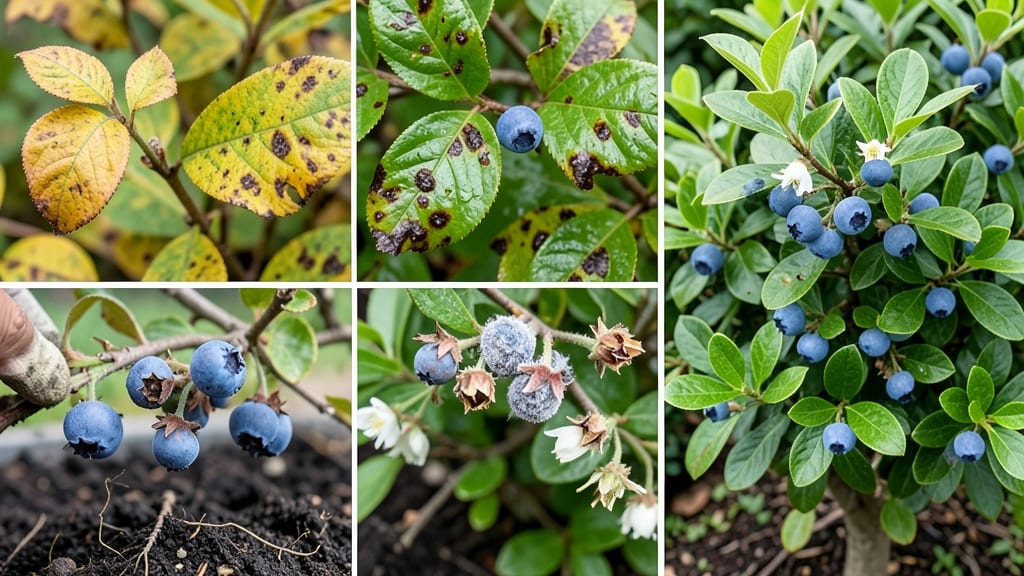
What's wrong with my blueberry bush? The yellow leaves and empty branches aren’t just a phase—and your plant is screaming for help. 🌿 The good news? Most blueberry problems have quick fixes once you know what to look for, whether it’s hungry roots, stressed soil, or pests throwing a party on your plant. I’ve diagnosed every sad-looking bush in my neighborhood, and 90% of the time, the solution is simpler than you’d think.
Yellowing leaves usually mean one of three things: your soil’s too alkaline (blueberries hate that), your bush is thirsty, or it’s fighting off a fungal infection. No berries? That’s often a sign of poor pollination, over-pruning, or—here’s a kicker—not enough sunlight (yes, even shade-loving bushes need their 6+ hours).
The key is checking the basics first: soil pH, watering habits, and light exposure before blaming pests or diseases.
By the end of this, you’ll spot the exact issue in minutes—not hours—and have a foolproof plan to revive your bush. Think lush green leaves by summer and a harvest so heavy you’ll need a bucket.
(Yes, it’s possible.) The secret? Most fixes take under 30 minutes and cost less than $10.
We’ll tackle the most common culprits—from spider mites to root rot—with step-by-step solutions that actually work. No jargon, no guesswork. Just results. Let’s get that bush back to producing like it’s 20 again.
Root Causes Behind Struggling Blueberries
Blueberry bushes are resilient, but when they start showing signs of distress—like yellowing leaves, stunted growth, or a lack of berries—it’s often a sign that something fundamental is off. Understanding the why behind these issues is the first step to restoring your bush’s health.
Below, we break down the most common culprits, backed by science, so you can diagnose and act fast.
Blueberries thrive in acidic soil with a pH between 4.5 and 5.5. If your soil is too alkaline (high pH), essential nutrients like iron, manganese, and phosphorus become locked away, leading to yellowing leaves (chlorosis) and poor fruit production.
- Why it happens:
- Most garden soils naturally lean alkaline (pH 6.0–7.5), especially in regions with limestone bedrock or amended with compost.
- Blueberries cannot access iron when soil pH rises above 6.0, causing interveinal chlorosis (yellowing between leaf veins).
- Over-fertilizing with lime or using untreated garden soil can worsen the problem.
- Actionable signs:
- Yellow leaves with green veins (classic iron deficiency).
- Slow growth or small, pale berries.
- Soil tests reveal pH > 5.5.
✨ Pro Tip: Test your soil’s pH with a home kit or send a sample to a local extension service. If pH is too high, amend with sulfur (1–2 lbs per 100 sq ft) or peat moss to lower it gradually. Avoid quick fixes like aluminum sulfate, which can burn roots if overused.
Blueberries are not drought-tolerant, but they also hate soggy roots. Irregular watering or poor drainage triggers stress, leading to leaf scorch, wilting, or even fungal infections.
- Why it happens:
- Underwatering: Causes leaf edges to crisp and turn brown (necrosis) as the plant conserves moisture. Roots may pull away from the soil, starving the bush.
- Overwatering: Leads to root rot (Phytophthora or Pythium fungi), which suffocates roots and blocks nutrient uptake. Yellow leaves with a mushy stem are a red flag.
- Inconsistent moisture: Blueberries need 1–1.5 inches of water weekly, but fluctuations stress the plant, reducing fruit set.
- Actionable signs:
- Drooping leaves that recover at night (underwatering).
- Yellowing leaves with dark, mushy stems (overwatering/rot).
- Soil that stays damp for >48 hours after watering.
💡 Quick Fix: Water deeply 2–3 times per week (more in extreme heat) at the base, avoiding wetting foliage. Improve drainage by amending soil with perlite or compost, and ensure the planting site has a slight slope to prevent pooling.
Blueberries are heavy feeders, and deficiencies in key nutrients can halt growth and fruit production. Unlike many plants, they need specific elements to flourish.
| Nutrient | Deficiency Signs | Why It Happens |
|---|---|---|
| Nitrogen (N) | Pale green or yellow leaves (older leaves first). Stunted growth. | Soil pH > 5.5 locks out nitrogen. Over-pruning or poor organic matter also depletes it. |
| Phosphorus (P) | Dark green leaves with purple stems. Slow root/fruit development. | Cold or compacted soil ties up phosphorus. Blueberries need bone meal or rock phosphate at planting. |
| Potassium (K) | Yellowing leaf edges (scorch). Weak stems, poor disease resistance. | Leaches out with heavy watering. Essential for fruit quality and cold hardiness. |
| Magnesium (Mg) | Yellow patches between leaf veins (like iron deficiency but not pH-related). | Common in sandy soils. Magnesium is mobile in the plant, so symptoms start on older leaves. |
🔥 Solution: Use a balanced, acidic fertilizer (e.g., 10-10-10 or 8-3-9 with sulfur) in early spring and after harvest. For magnesium, apply Epsom salt (1 tbsp per gallon of water) as a foliar spray or soil drench.
Hidden invaders can drain your blueberry bush’s vitality, leading to weak growth and no berries. Fungal diseases and insects often go unnoticed until damage is severe.
- Why it happens:
- Fungal diseases (e.g., Botrytis, Mummy Berry):
- Spores thrive in wet, humid conditions (e.g., overwatering, poor air circulation).
- Mummy Berry turns berries into gray, shriveled "mummies" that reinfect next season.
- Anthracnose causes dark spots on leaves/berries, leading to premature drop.
- Insects (e.g., Blueberry Maggot, Japanese Beetles, Spider Mites):
- Maggot larvae burrow into berries, causing them to rot inside.
- Beetles and mites skeletonize leaves, reducing photosynthesis and fruit.
- Stress from drought or poor soil makes bushes more susceptible.
- Fungal diseases (e.g., Botrytis, Mummy Berry):
- Actionable signs:
- Berries with tiny holes or white maggots (maggot infestation).
- Gray, fuzzy growth on berries/leaves (Botrytis).
- Sticky residue on leaves (aphids) or webbing (mites).
- Premature leaf drop or blackened fruit.
🎯 Prevention:
- Remove and destroy mummified berries in fall to break Mummy Berry cycles.
- Apply copper fungicide at bud break for anthracnose.
- Use row covers early in season to block maggots/beetles.
- Spray neem oil or insecticidal soap for mites/aphids
Quick Fixes for Ailing Blueberry Bush
If your blueberry bush is struggling with yellowing leaves, sparse berries, or other signs of distress, don’t panic—most issues have simple, effective solutions. Below, we’ve mapped out practical fixes for common problems, along with prevention tips to keep your bush thriving. Think of this as your blueberry bush first-aid kit!
Yellow leaves are often a sign your blueberry bush isn’t getting the right care. Here’s how to diagnose and treat it:
🔥 Step 1: Check the Soil pH
Blueberries love acidic soil (pH 4.5–5.5). If the pH is too high, nutrients like iron and manganese become unavailable, causing yellowing.
- 📊 Test your soil: Use a home pH kit or send a sample to a local extension office.
- 🍋 Lower the pH: Mix in sulfur or peat moss (follow package instructions). Avoid lime—it raises pH!
💧 Step 2: Adjust Watering Habits
Overwatering or poor drainage can suffocate roots and cause yellowing.
- ⏰ Water deeply but infrequently: Aim for 1–1.5 inches per week (more in extreme heat). Let the top 2–3 inches of soil dry out between waterings.
- 🚰 Improve drainage: Amend heavy clay soil with compost or perlite. If planting in containers, use pots with drainage holes.
🍽️ Step 3: Feed with the Right Fertilizer
Yellow leaves can signal a lack of key nutrients. Blueberries need nitrogen, phosphorus, and micronutrients like iron.
- 🌿 Use an acidic fertilizer: Look for one labeled for azaleas, rhododendrons, or blueberries (e.g., Miracle-Gro Azalea, Camellia, and Rhododendron Food).
- 💡 Pro tip: Apply fertilizer in early spring (before new growth) and again after harvest. Avoid high-nitrogen fertilizers like lawn food—they can burn roots.
🌡️ Prevention Tips
Keep your bush happy long-term with these habits:
- 🔄 Mulch annually: Spread 2–3 inches of pine bark or pine needles around the base (but not touching the trunk) to maintain acidity.
- 🌧️ Monitor weather: Blueberries hate soggy roots. If your area gets heavy rain, consider a French drain or raised bed.
If your bush has leaves but no berries, it’s likely due to lack of pollination, improper pruning, or environmental stress. Here’s how to boost fruit production:
🐝 Step 1: Ensure Proper Pollination
Blueberries are self-pollinating, but wind, bees, and even gentle shaking can help. If your bush is isolated or flowers aren’t setting fruit:
- 🌬️ Give it a shake: On a dry day, gently shake the branches to dislodge pollen.
- 🐝 Attract pollinators: Plant bee-friendly flowers (like lavender or sunflowers) nearby.
✂️ Step 2: Prune Correctly
Overpruning or pruning at the wrong time can reduce fruit production. Follow these rules:
- ⏰ Prune in late winter/early spring: Remove dead, diseased, or crossing branches. Cut back 1/3 of the oldest canes to encourage new growth.
- ❌ Avoid heavy pruning after harvest: This stresses the bush and can limit next year’s fruit.
☀️ Step 3: Reduce Stress Factors
Blueberries need sunlight, water, and nutrients to produce berries. If your bush is struggling:
- 🌞 Ensure full sun: Blueberries need 6–10 hours of sunlight daily. If shaded, thin nearby trees or relocate the bush.
- 💧 Keep soil consistently moist: Drought stress can cause bud drop. Use drip irrigation for steady watering.
- 🌡️ Protect from frost: Late spring frosts can damage flowers. Use frost cloth if your area has unpredictable weather.
🎯 Prevention Tips
Set your bush up for a bountiful harvest next season:
- 🍯 Feed after harvest: Apply a low-nitrogen, high-phosphorus fertilizer (like 5-10-10) to encourage root and fruit growth.
- 🌱 Plant companion plants: Avoid competing with grasses or shallow-rooted plants. Instead, try clover or comfrey as living mulch.
Pests like blueberry maggots, aphids, or spider mites—and diseases like mummy berry or powdery mildew—can devastate your bush. Act fast with these solutions:
🔪 Step 1: Identify the Problem
Match symptoms to the likely culprit:
| Symptom | Likely Cause | Fix |
|---|---|---|
| Small holes in berries | Blueberry maggot | 🍎 Remove and destroy infested berries. Apply spinosad or kaolin clay as a barrier. |
| Sticky leaves or curled new growth | Aphids or spider mites | 💦 Spray with water to knock off pests. Use neem oil or insecticidal soap for severe infestations. |
| Gray, fuzzy mold on leaves/berries | Mummy berry or powdery mildew | 🌿 Prune infected parts. Apply copper fungicide or baking soda spray (1 tbsp baking soda + 1 quart water + a drop of soap). |
🛡️ Step 2: Prevent Future Infestations
Stop pests and diseases before they start:
- 🌱 Space bushes properly: Give each plant 4–5 feet of space for airflow (reduces humidity-related diseases).
- 🧹 Clean up debris: Remove fallen leaves and fruit to eliminate hiding spots for pests and fungal spores.
- 🌡️ Monitor regularly: Check the undersides of leaves and new growth weekly for early signs of trouble.
✨ Bonus Tip: Natural Remedies
Skip harsh chemicals with these gentle alternatives:
Frequently asked questions
Why are my blueberry bush leaves turning yellow but staying green along the veins?
This classic sign means your soil pH is too high (alkaline), blocking iron uptake. Blueberries need acidic soil (pH 4.5-5.5). Test your soil and amend with sulfur or peat moss to lower the pH gradually. Yellow leaves with green veins are your bush's way of saying "feed me iron!"
My blueberry bush has leaves but no berries—what could be wrong?
No berries usually means poor pollination, stress, or over-pruning. Try gently shaking branches during bloom to help pollen spread, or plant bee-friendly flowers nearby. Also check sunlight (6+ hours daily) and avoid heavy pruning after harvest—this stresses the bush and reduces next year's fruit.
I see tiny holes in my blueberries—what's eating them?
Those are likely blueberry maggot larvae, a common pest. Remove all infested berries immediately and destroy them (don't compost). For next season, apply kaolin clay or spinosad as a protective barrier. Check berries weekly during harvest season to catch early signs.
Can I save my blueberry bush if the leaves are curling and sticky?
That's probably aphids or spider mites sucking sap. Blast leaves with water to knock off pests, then spray with neem oil or insecticidal soap. For severe cases, repeat every 5-7 days. Keep your bush healthy—stressed plants attract more pests!
How often should I water my blueberry bush?
Water deeply 2-3 times per week (1-1.5 inches total), letting the top 2-3 inches of soil dry between waterings. Avoid wetting leaves to prevent fungal diseases. In extreme heat, you may need daily watering, but always check soil moisture first—blueberries hate soggy roots!