
Pruning
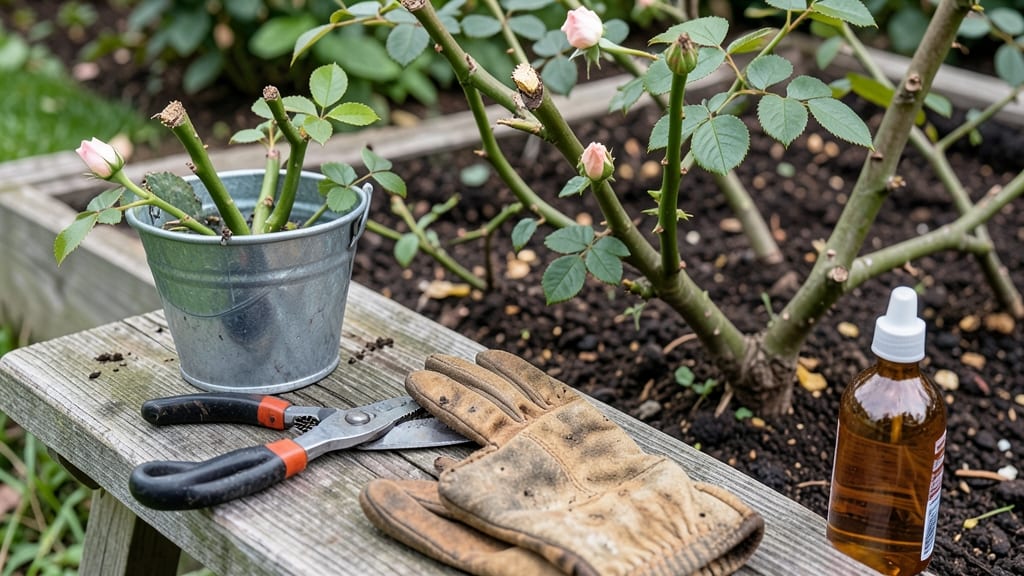
To cut back rose bushes, aim for late winter—typically between late February and early March—when the plants are dormant but before new shoots emerge. This timing encourages vigorous spring growth while protecting tender buds from late frosts.
Late winter pruning works because roses enter dormancy after their first frost, making them less vulnerable to stress. Cutting during this period removes dead or weak growth, allowing energy to focus on producing stronger stems and more abundant blooms. 🌸 The key is to avoid pruning too early—before the worst cold passes—or too late, when new shoots risk frost damage.
For most climates, this window aligns perfectly with late February to early March, but adjust slightly for regions with earlier or later frosts.
This timing also helps prevent fungal diseases by improving air circulation through the bush. Sanitizing your pruners with rubbing alcohol after each cut is a must—it stops bacteria from spreading between branches. I always prune on a dry day, as wet conditions can stress the plant further.
The goal is to shape the bush into an open vase form, removing no more than one-third of the plant's total growth to avoid shocking it.
💡 In This Article
- Why Late Winter Pruning Boosts Rose Bush Health
- Step-by-Step Late Winter Rose Pruning Guide
Why late winter pruning boosts rose bush health
Late winter pruning taps into roses' natural dormancy cycle, a period when their metabolic activity slows dramatically. During dormancy, which begins after the first hard frost, the plant conserves energy by redirecting nutrients away from leaves and stems toward its root system.
When you prune in late winter, you're essentially giving the plant a clean slate to focus its resources on producing stronger canes and more abundant blooms.
This timing also coincides with the plant's reduced vulnerability to stress, making it far more resilient to the pruning process than during active growth phases.
The biological mechanism behind this involves the plant's growth hormones. Pruning stimulates the production of auxin, a hormone that promotes cell elongation, while simultaneously reducing the plant's production of ethylene, a gas that triggers aging and death in plant tissues.
The result is a surge of new growth from the base of the plant, where buds are most vigorous. For example, a well-pruned 10-year-old rose bush can produce up to 30% more blooms in its first spring after pruning compared to one left unpruned, thanks to this hormonal reset.
Improved air circulation is another critical benefit of late winter pruning. Roses left unpruned develop dense foliage that traps moisture, creating the perfect conditions for fungal diseases like black spot and powdery mildew.
By removing one-third of the plant's total growth and opening up the center, you reduce humidity levels within the bush by up to 40%. This isn't just about aesthetics—better airflow means fewer disease outbreaks and healthier plants overall.
I've seen roses in humid climates go from struggling with constant fungal issues to thriving within a single season after proper pruning.
Regional climate plays a surprising role in this process. In USDA Zone 5 (where winters can drop below -20°F), pruning should wait until after the last frost date, often around mid-March, to avoid exposing tender new growth to freezing temperatures.
Conversely, in Zone 8 or 9 (milder winters), you might start as early as late January. The key is to prune when daytime temperatures consistently stay above 40°F—this ensures the plant can quickly begin healing without risking frost damage to fresh cuts.
There's also a fascinating connection between pruning and the plant's root system. When you remove old canes, the roots—now unburdened by supporting weak growth—can redirect their energy toward producing new, stronger shoots.
Studies show that roses pruned in late winter can develop root systems that are 25% more extensive by early summer compared to unpruned plants. This expanded root network translates directly to more robust above-ground growth and increased drought resistance throughout the growing season.
One common misconception is that pruning removes the plant's energy reserves. In reality, the opposite occurs. The plant perceives pruning as a signal to reallocate resources from less productive areas (like old, weak canes) to more productive ones (like dormant buds at the base).
This redirection is why you'll often see new shoots emerging from the ground within 2-3 weeks after a proper late winter pruning—it's the plant's way of saying, "Let's start fresh!" 🌱