
How To
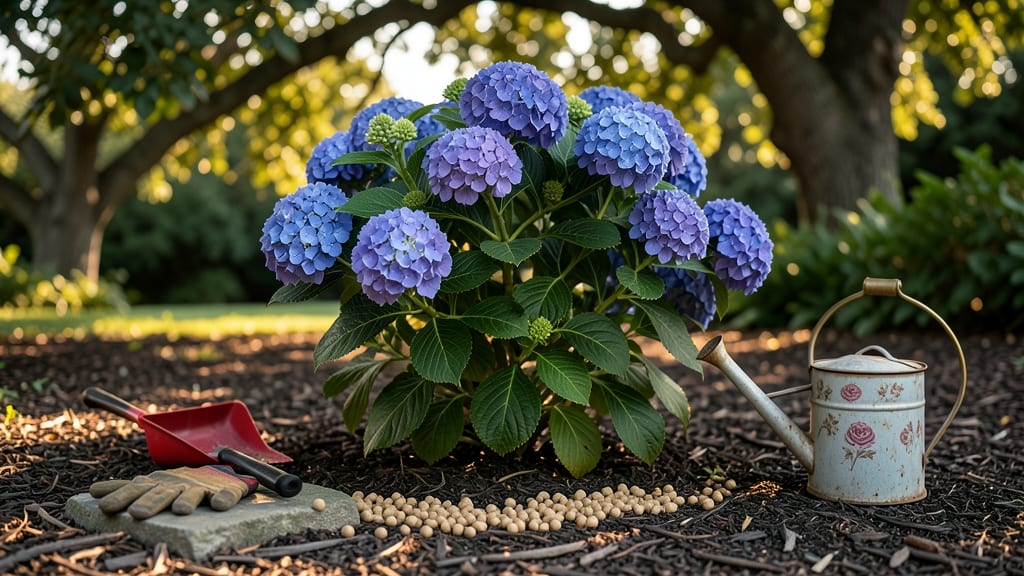
To fertilize bushes at the right time means catching them when they’re hungry—not when they’re sleeping or stressed.
Picture this: You’ve just planted your 🌿 bushes in spring, and you’re eager to see them thrive. But if you fertilize too early, you’ll burn tender roots. Too late, and you’ll miss the window for that explosive first flush of growth.
Timing isn’t just about throwing down nutrients—it’s the difference between bushes that burst with color and ones that struggle to keep up.
Most bushes need their first feeding in early spring, right as new shoots appear, and a second dose after they bloom. But evergreens and flowering shrubs have different rules—some need a light touch in summer, while others should skip fall entirely.
The key? Matching your schedule to your bush’s natural rhythm, not just the calendar.
Below, I’ll break down the exact moments to fertilize based on your bush type, climate, and soil. You’ll learn how to spot over-fertilizing (leaf burn is a dead giveaway), when to hold off, and how to adjust for drought or poor soil.
No more guesswork—just lush, healthy bushes that reward you with blooms and structure all season long.

Best times of year to fertilize shrubs for optimal growth
Fertilizing your shrubs at the right time is like giving them a well-timed energy boost—too early or too late, and they won’t perform their best. The key is aligning fertilization with your bushes’ natural growth cycles, whether they’re evergreens, deciduous, or flowering varieties.
For example, evergreens like boxwoods need nutrients year-round, while flowering shrubs like hydrangeas thrive with a spring feeding to fuel blooms. Let’s break down the best times to fertilize for maximum impact.
Understanding the three critical windows—early spring, late spring, and fall—will transform your shrubs from lackluster to lush. Each season offers a unique opportunity to support growth, recovery, or winter prep.
For instance, fertilizing in early spring kickstarts root development, while a late spring boost ensures vibrant blooms. Meanwhile, fall fertilization can help evergreens store nutrients for winter. Let’s dive into the specifics.
| Season | Key Growth Trigger | Best Fertilizer Type | Bush Types to Target | Avoid Fertilizing |
|---|---|---|---|---|
| Early Spring (March-April) | Bud formation, root flush | Balanced (10-10-10) | Flowering, deciduous | Dormant evergreens |
| Late Spring (May-June) | Post-bloom recovery, foliage growth | Low-nitrogen (5-10-10) | Evergreens, ornamental | Newly planted bushes |
| Fall (September-October) | Root establishment, winter prep | Slow-release organic | Evergreens, acid-lovers | Deciduous before leaf drop |
| Winter (November-February) | Dormancy, no growth | None | All bushes | N/A |
In early spring, as soon as you see new growth or buds forming, it’s time to feed your bushes. This is especially critical for deciduous shrubs like lilacs or viburnums, which need a balanced fertilizer (e.g., 10-10-10) to jumpstart their root development and flower production.
For evergreens, hold off until they show signs of active growth, usually in late spring. Think of this as their wake-up call—without it, they’ll struggle to put on new leaves or blooms.
By late spring, your bushes are likely already blooming or pushing out fresh foliage.
This is the perfect time for a second feeding, but switch to a low-nitrogen fertilizer (like 5-10-10) to avoid overstimulating leafy growth at the expense of flower production. Hydrangeas and azaleas benefit from this adjustment, as too much nitrogen can lead to fewer blooms and more foliage.
Water thoroughly after applying to help nutrients reach the roots.
Fall fertilization is often overlooked, but it’s a game-changer for evergreen shrubs and acid-loving plants like rhododendrons. Apply a slow-release organic fertilizer in early fall (September-October) to give roots a nutrient boost before winter.
This helps them store energy for next year’s growth. Avoid fertilizing deciduous bushes in late fall, as new growth won’t harden off properly before frost.
One of the biggest mistakes I see is fertilizing in summer or winter. Summer heat can burn roots when bushes are already stressed, while winter fertilization is a waste since plants are dormant.
Instead, focus on mulching in winter to protect roots and watering deeply in summer to support existing growth. Your bushes will thank you with healthier foliage and more vibrant blooms next season.
For newly planted shrubs, hold off on fertilization for the first 6-8
How to adjust fertilization based on bush type and soil conditions
Not all bushes thrive with the same fertilizer approach. Acid-loving varieties like azaleas and rhododendrons need soil with a pH between 4.5 and 6.0, while alkaline-tolerant shrubs such as boxwoods and lilacs prefer pH levels of 6.5 to 7.5.
Testing your soil first is the key to avoiding nutrient imbalances that can stunt growth or cause leaf burn.
I’ve learned the hard way—over-fertilizing azaleas with high-phosphorus blends meant for flowering shrubs can lead to leaf yellowing and poor blooms. The solution? Tailor your fertilizer to match your bush’s natural soil preferences and growth stage. Let’s break down how to customize your approach.
When to Fertilize Different Bush Types
Signs of over-fertilization include crispy, brown leaf edges (a classic sign of salt burn) or stunted growth despite lush foliage. To fix this, flush the soil with water and switch to a low-salt fertilizer or organic options like compost tea.
Under-fertilized bushes, on the other hand, show pale yellow leaves and sparse blooms—time to feed them with a balanced 10-10-10 blend.
For acid-loving bushes, I’ve had the most success with organic matter like pine needles or sulfur-coated urea in early spring. These bushes thrive when their soil mimics their natural forest floor habitat.
Meanwhile, alkaline-tolerant varieties like boxwoods respond well to bone meal or greensand for a phosphorus boost during bud formation.
Pro tip: If your bushes are struggling, mulch heavily with wood chips or pine bark to slowly adjust soil pH over time. This method is gentler than sudden amendments and reduces the risk of shocking roots.
Just remember—consistency is key. Adjusting fertilization based on bush type and soil conditions takes patience, but the payoff is bushes that burst with color and vitality year after year.
🌿