
How To
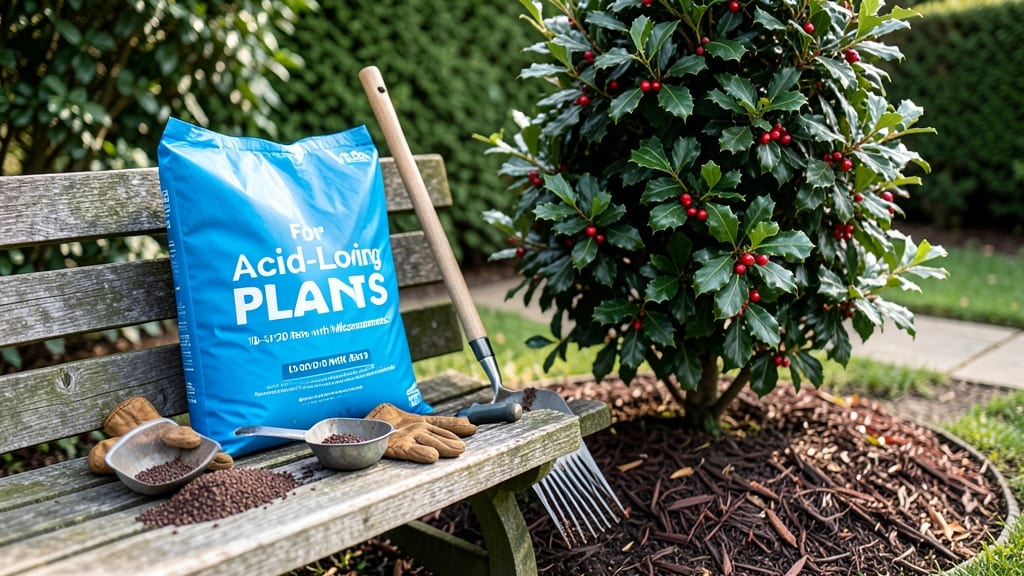
Fertilizing holly bushes at the right time—early spring or late summer—is the key to lush, vibrant growth 🌿.
Struggling to keep your holly bushes lush and full? The secret lies in timing—fertilizing at the wrong season can stunt growth or even harm your plants. Whether you're a seasoned gardener or just starting, knowing when to feed your holly bushes makes all the difference.
Holly bushes thrive with a balanced approach, but their needs shift with the seasons. In spring, a light feeding kickstarts growth, while late summer supports root and berry development. Fall and winter, however, are all about rest—no fertilizer needed.
Below, I’ll break down the best months to fertilize, how to choose the right type, and what to watch for to keep your holly bushes healthy and beautiful year-round.

Best seasons to fertilize holly bushes: spring vs fall timing explained
When it comes to fertilizing holly bushes, timing is everything. These evergreen shrubs thrive when fed during their active growth phases, which align perfectly with spring and fall seasons.
Understanding why these times work best—and how soil conditions change—helps you avoid common mistakes that stunt growth or even harm your plants.
In early spring, as temperatures rise above 50°F (10°C), holly bushes wake from dormancy and begin pushing new growth. This is your cue to feed them with a balanced fertilizer to support foliage and root development.
Meanwhile, fall fertilization in late summer or early autumn prepares holly bushes for winter by strengthening their root systems and storing nutrients.
Soil temperature plays a critical role in nutrient uptake. Holly bushes absorb fertilizers most efficiently when soil temps stay between 55°F and 75°F (13°C–24°C). Spring and fall offer ideal conditions—avoiding the heat stress of summer or the dormancy of winter—when roots can actively process nutrients without risk of burn.
Fertilizing at the wrong time, like mid-summer, can shock your holly bushes. High temperatures cause fertilizers to break down too quickly, leading to nutrient runoff or even fertilizer burn.
Conversely, winter feeding is wasted because dormant plants aren’t absorbing nutrients. Let’s break down the science and best practices for each season.
Spring fertilization kickstarts the growing season by replenishing nutrients depleted over winter. Aim for early April to May, when soil is workable but not waterlogged. Use a balanced fertilizer (e.g., 10-10-10) or an acid-loving plant formula to match holly bushes’ preferences.
Apply it evenly around the drip line—the outer edge of the canopy—and water thoroughly to activate nutrient uptake.
For fall fertilization, late August to September is ideal. This timing allows holly bushes to absorb nutrients before cooler weather sets in, storing them for winter resilience. Opt for slow-release fertilizers or organic options like composted pine needles, which mimic their natural acidic environment.
Avoid heavy feeding in late fall, as new growth won’t harden off before frost.
Regional climates can shift these timings slightly. In warmer zones (USDA 8+), extend fall feeding into October, while cooler zones (USDA 6 or below) may need to fertilize later in spring to avoid frost damage. Always check your local last frost date and adjust accordingly.
One common misconception is that holly bushes need frequent feeding. Over-fertilizing in spring can lead to excessive leafy growth at the expense of berries or even fertilizer burn.
Instead, stick to a light application every 6–8 weeks during active growth periods. For mature bushes, a single spring and fall feeding often suffice.
Pro tip: Pair fertilization with a 2–3 inch layer of mulch to retain moisture and regulate soil temperature. Use pine bark or shredded leaves to add organic matter and acidity naturally. This dual approach ensures your holly bushes get the nutrients and ideal growing conditions year-round.
By aligning fertilization with your holly bushes’ natural cycles, you’ll promote vibrant foliage, abundant berries, and robust winter survival. The key is patience—let the seasons guide your timing, and your shrubs will reward you with lush, healthy growth for years to come. 🌿
How to choose the right fertilizer for holly bushes by season
Choosing the right fertilizer for holly bushes depends on the season and your plant's specific needs. Holly bushes thrive with acidic soil (pH 4.5-5.5) and benefit most from fertilization in spring and fall.
During these times, they need nutrients to support new growth and prepare for winter dormancy. Let’s break down the best options for each season and how to avoid common mistakes.
For spring fertilization, focus on a balanced NPK ratio like 10-10-10 to encourage leafy growth and root development. In fall, opt for a low-nitrogen, high-phosphorus formula (e.g., 5-10-10) to strengthen roots and berry production.
Organic options like composted pine bark or fish emulsion are excellent for holly bushes, as they slowly release nutrients while maintaining soil acidity.
Here’s a quick comparison to help you decide when and how to fertilize your holly bushes for optimal results:
When to Fertilize Holly Bushes
Spring Fertilization
- ✅ Pros: Boosts new growth, vibrant foliage
- ✅ Best for: Early spring (March-April)
- ✅ Use: Balanced NPK (10-10-10) or organic compost
Fall Fertilization
- ✅ Pros: Strengthens roots, prepares for winter
- ✅ Best for: Early fall (September-October)
- ✅ Use: Low-nitrogen (5-10-10) or bone meal
⚠️ Avoid fertilizing in: Summer (risk of burn) or Winter (dormancy period)
When selecting a fertilizer type, consider your holly bush’s age and health. Young plants benefit from slow-release organic fertilizers, while mature bushes may need a micronutrient boost like iron or manganese to prevent yellowing leaves.
Always water thoroughly after applying fertilizer to help nutrients absorb into the soil and avoid root burn.
For organic options, try peat moss or sulfur-coated urea to maintain soil acidity. Synthetic fertilizers like Miracle-Gro Shake 'n Feed (for acid-loving plants) work well but require careful monitoring to prevent over-fertilization.
Test your soil every 2-3 years to ensure the pH stays in the ideal range for holly bushes.
Remember, holly bushes are slow growers, so less is often more. Over-fertilizing can lead to leaf scorch or excessive growth at the expense of berry production.
Stick to a light feeding schedule—once in spring and once in fall—and watch your holly bushes thrive with glossy leaves and vibrant berries.
🌿