
How To
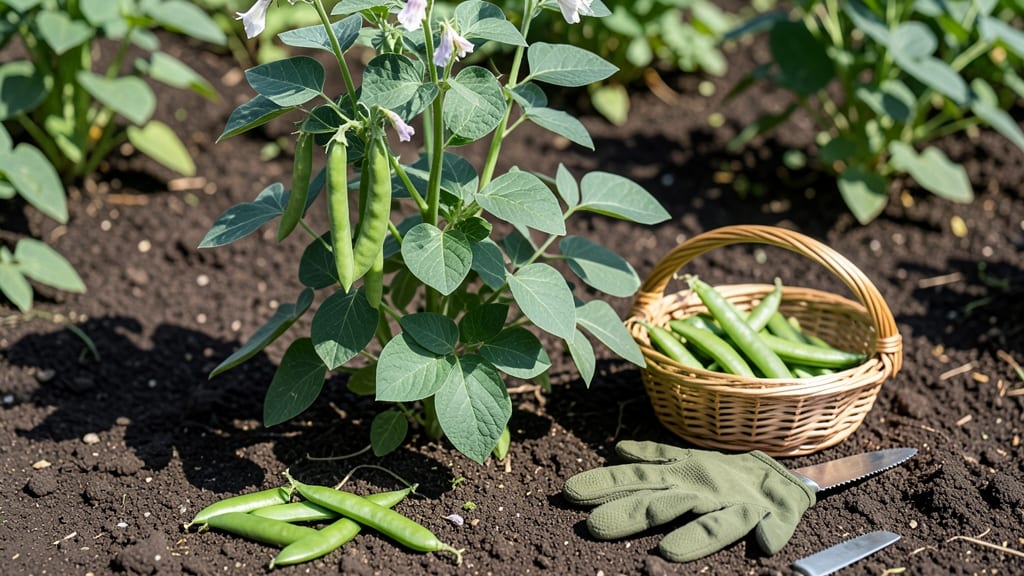
You’ll know exactly when to pick bush beans 🌱—it’s all about the pod’s size, color, and firmness, not just the calendar.
Picking them too early means starchy, bland beans, while waiting too long turns them tough and bitter. The difference between a crisp, sweet harvest and a disappointing one comes down to reading the plant’s signals.
In this guide, I’ll walk you through the ideal harvest window by pod color, size, and texture—plus the best time of day to pick for maximum flavor. Whether you’re in Zone 6a or beyond, these tips ensure you never miss the perfect moment.
You’ll also learn how often to harvest, what tools to use, and how to salvage beans that are just past their prime. By the end, you’ll be harvesting like a pro, with a steady supply of homegrown goodness from July through August.


How to identify the perfect harvest time by bean pod color & size
Timing your bush bean harvest is an art that combines visual cues with a little hands-on experience. The right moment transforms your garden into a flavor factory, while the wrong timing can turn your hard work into tough, bitter pods.
Most green bush beans reach peak flavor when harvested at 50-60 days after flowering, but visual clues like pod color and size are your best indicators. Let's break down exactly what to look for in each variety.
For green bush beans, the classic variety, pay attention to three key signals: pod length, color depth, and firmness. A perfect pod should be 4-6 inches long, a vibrant deep green, and firm enough to resist gentle pressure.
If you see pale green pods or ones shorter than 3 inches, they're not ready yet. Heirloom varieties often have unique color patterns, like purple or striped pods, but the same size and firmness rules apply.
🚨 WARNING: Overripe beans develop a woody texture and bitter taste, making them unusable. Stringy beans are another red flag—this happens when pods stay on the plant too long, causing the fibers to toughen. Always harvest before this stage to maintain that crisp, sweet flavor we all love.
| Pod Color | Ideal Size | Texture | Flavor Test | Days After Flowering |
|---|---|---|---|---|
| Deep Green | 4-6 inches | Firm, crisp | Sweet, tender | 50-55 days |
| Yellow/Gold | 3-5 inches | Slightly softer | Mild, buttery | 45-50 days |
| Heirloom (Purple/Striped) | 4-5 inches | Firm, smooth | Earthy, complex | 55-60 days |
🌱 Pro Tip: Always harvest in the morning when pods are cool and crisp for the best flavor.
Yellow bush beans, like Wax Beans, have a slightly different timeline and appearance. These varieties mature faster—typically in 45-50 days—and have a creamy yellow hue. Their ideal size is 3-5 inches, and they should feel slightly softer than green beans but still firm.
Overripe yellow beans turn dull and mealy, losing their signature buttery taste. If you're growing heirloom varieties, such as Jacob's Cattle or Scarlet Runner (though the latter is a pole bean), watch for color changes like deepening purples or stripes—these indicate ripeness.
Texture is your secret weapon for nailing the perfect harvest. A ready-to-pick bean should feel firm but yield slightly when gently squeezed between your fingers. Think of it like a crisp apple—not rock-hard, but not mushy either. If the pod feels spongy or hollow, it's past its prime.
For stringless varieties, like Contender or Blue Lake, this test is even more critical since they're bred to avoid the tough fibers that develop in overripe pods.
Don't forget to check the seeds inside as a final verification. At peak ripeness, the seeds should be visible but not bulging. If they're large and round, the bean is overripe and will taste starchy or bitter.
This is especially true for dry bean varieties, which are harvested later in the season. For fresh eating, aim to pick before the seeds fully develop to keep that tender, sweet crunch.
Regional climate plays a role too. In warmer zones (USDA 8-10), beans may mature faster due to longer growing seasons. Conversely, in cooler climates (USDA 3-6), you might need to extend the harvest window by 5-7 days.
Always adjust your expectations based on your local last frost date and average temperatures. For example, if your summer is short, prioritize early-maturing varieties like Blue Lake Bush to maximize your harvest.
💡 Quick Tip: Use a small pruning shears or your fingers to snap pods cleanly at the stem. Avoid tearing the plant, which can stress it and reduce future yields.
And always harvest every 2-3 days during peak production to encourage more pods to form. The more you pick, the more your bush beans will produce!
Best practices for picking bush beans to maximize yield & flavor
Harvesting bush beans at the right moment transforms your garden into a flavor-packed kitchen staple. The key lies in consistency—picking too late makes pods tough and bitter, while harvesting too early sacrifices sweetness. I’ve learned that morning harvests yield the crispest beans, and frequency matters just as much as timing.
Let’s break down the essentials to keep your plants productive and your table full of homegrown goodness.
Bush beans are self-contained producers, meaning they don’t climb like pole beans, so they rely on you to keep them in peak condition. The best part? They reward prompt attention with continuous harvests over weeks.
Whether you’re using your hands or simple tools, the goal is to minimize plant stress while maximizing pod quality. Let’s dive into the five non-negotiable steps to master this process.
One question I hear often is, “How do I know if I’m picking too often?” The answer? Your plants will tell you. If new flowers appear within days of harvesting, you’re on the right track.
If flowers wilt without setting pods, you might be over-picking—give the plant a breather for a few days. Bush beans are resilient but need balance, just like any other garden task.
Tools matter too—dull scissors crush stems and slow recovery. I keep a pair of sharp pruning shears handy for larger harvests, but for small gardens, your fingers work perfectly. Just be gentle! The goal is to stimulate more growth, not stress the plant.
Pro tip: Wear gloves if your plants have thorns (some heirloom varieties do!), and always sanitize tools between gardens to prevent disease spread.
Finally, don’t underestimate the power of post-harvest care. Store picked beans in the fridge for up to 5 days, or blanch and freeze them for long-term storage.
The fresher they are, the better they’ll taste—so time your harvests to align with meal prep! With these practices, you’ll enjoy a steady, flavorful harvest all season long.