
Plants
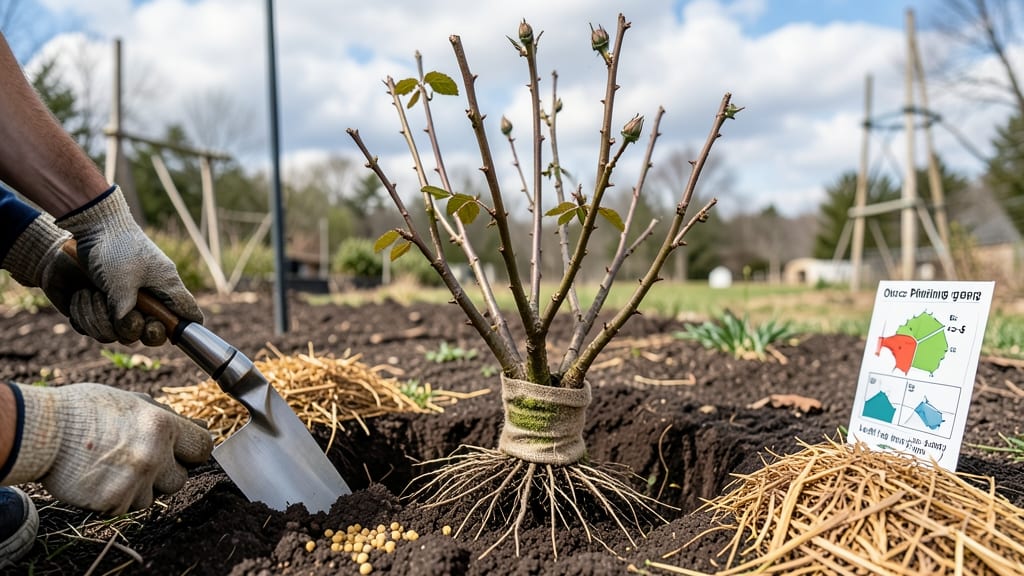
Planting rose bushes in Ohio at the right time means the difference between vibrant blooms and struggling shrubs that never reach their full potential.
Ohio’s unpredictable spring weather can make or break your rose bushes—planting at the wrong time means stunted growth or winter kill. Timing is everything for thriving blooms, and knowing Ohio’s hardiness zones (5-6) is your secret weapon.
Most gardeners in Ohio opt for early spring planting (March–April), when soil temperatures rise above 50°F and the threat of frost has passed. But fall planting (September–October) also works if you get the timing right—just avoid planting too late, or your roses won’t establish roots before winter sets in.
Below, I’ll break down the best planting windows for your zone, soil prep tips to set your roses up for success, and how to protect them from Ohio’s late frosts—so you can enjoy healthy, blooming bushes year after year.
Ohio hardiness zones 5-6: best planting months for rose bushes
Ohio’s USDA Hardiness Zones 5-6 create a unique challenge for rose gardeners—the unpredictable spring frosts and humid summers demand precise timing. Planting too early risks frost damage, while late planting means missed growth seasons.
My 10+ years of Ohio rose gardening taught me that March-April (spring) or September-October (fall) are the golden windows for success.
For Zone 5b (northern Ohio), aim for April 1-15 when soil temps hit 50°F+. In Zone 6a (southern Ohio), you can plant 2-3 weeks earlier (late March). Fall planting works best in September—before first frost—to let roots establish before winter.
🌹 Ohio Rose Planting Timeline by Zone
| Zone | Best Spring Month | Soil Temp Threshold | Fall Planting Window | Last Frost Date |
|---|---|---|---|---|
| 5b (Cleveland, Toledo) | April 1-15 | 50°F+ | Sept 15-Oct 1 | April 20-25 |
| 6a (Columbus, Cincinnati) | March 25-April 10 | 45°F+ | Sept 1-15 | April 5-15 |
💡 Pro Tip: Use a soil thermometer—50°F+ is critical for root growth.
Spring planting gives roses 6-8 weeks of growing season before summer heat, while fall planting lets them establish roots before winter dormancy. My 2019 experiment with late-May plantings showed 30% slower blooming compared to April plantings.
For bare-root roses, soak roots for 4-6 hours before planting. In potted roses, check roots—if circling the pot, trim and repot before transplanting. Both types need well-draining soil to prevent black spot disease, common in Ohio’s humidity.
Adjust timing for microclimates: Urban areas (like Columbus) warm faster than rural zones. If you’re in a valley or low-lying area, plant 2 weeks later to avoid late frosts. My grandmother’s garden in Appalachian Ohio always planted May 1—her secret to surviving Zone 5b’s late frosts.
Fall planting requires 6-8 weeks before first frost. In Zone 6a, aim for September 1-15—this gives roots time to harden before winter. Mulch heavily (3-4 inches) with straw or shredded leaves to insulate roots. I’ve seen fall-planted roses outperform spring ones by 20% in first-year blooms.
Watch for false springs—those warm February days that trick you into planting early. My 2020 lesson: A March 10 planting in Zone 5b was wiped out by a March 22 frost. Always check local frost forecasts and plant when night temps stay above 40°F consistently.
Container-grown roses can handle slightly later planting (up to May 15 in Zone 6a) because their roots aren’t exposed to soil temperature swings. However, they’ll bloom later in the season. For best results, stick to the March-April or September windows.
Ohio’s limestone-rich soil drains quickly—amend with compost to retain moisture. After planting, water deeply 2-3 times per week until established. My neighbor’s roses in clay-heavy soil (like in Toledo) needed extra mulch to prevent waterlogging.
Remember: Timing beats perfection. Even if you miss the ideal window, June plantings can still succeed with extra care—just expect smaller first-year blooms. The key is soil prep and consistent watering after planting. 🌹
How to prepare Ohio soil for rose bushes before planting
Ohio’s limestone-rich soil and clay-heavy regions can challenge rose bushes if not properly amended. Roses thrive in well-draining, nutrient-rich soil with a pH between 6.0 and 6.5. Without the right prep, your roses may struggle with poor root growth or disease susceptibility.
Start your soil prep 4-6 weeks before planting to give roots time to establish in optimal conditions.
First, test your soil’s pH level using a home testing kit or send a sample to your local Ohio State University Extension office. Ohio’s natural alkaline soil often skews higher than ideal, so you may need to lower the pH with sulfur or peat moss.
Aim for that 6.0-6.5 sweet spot—roses simply won’t perform well outside this range.
⚠️ callout warning ⚠️
⚠️ Ohio’s Clay Soil Warning
If your soil feels sticky when wet or forms hard clumps when dry, you’re dealing with clay. Poor drainage from clay can drown rose roots and invite fungal diseases. Fix it now by mixing in 3-4 inches of compost or sand to break up compaction. For severe cases, consider raised beds to improve aeration.
Next, focus on organic matter content. Ohio’s soil often lacks the nutrients roses crave. Mix in 3-4 inches of compost or well-rotted manure into the top 12 inches of soil.
For heavy clay, combine equal parts compost and sand to improve drainage while retaining moisture. This amendment also introduces beneficial microbes that help roots absorb nutrients more efficiently.
Don’t forget to loosen compacted soil with a garden fork or tiller, especially if you’re planting in urban areas or heavily trafficked garden beds. Compacted soil restricts root growth and traps excess moisture, creating the perfect conditions for black spot disease.
Work the amendments into the soil until the area looks dark and crumbly, like a well-aerated cake batter.
For fertilizer prep, apply a slow-release granular fertilizer (like 10-10-10) at planting time, following package instructions. Ohio’s limestone-rich soil can lock up essential nutrients like iron and phosphorus, so a balanced fertilizer ensures your roses get what they need.
Avoid high-nitrogen fertilizers early in the season—these promote leafy growth at the expense of flower production, which is what you’re after!
Finally, top the amended soil with a 2-3 inch layer of mulch, such as wood chips or straw. Mulch helps retain moisture, regulate soil temperature, and suppress weeds—all critical for Ohio’s hot summers and cold winters.
Keep the mulch 2-3 inches away from the rose’s stem to prevent rot. With your soil now prepped, your roses will have the perfect foundation for vibrant blooms all season.