
Pruning
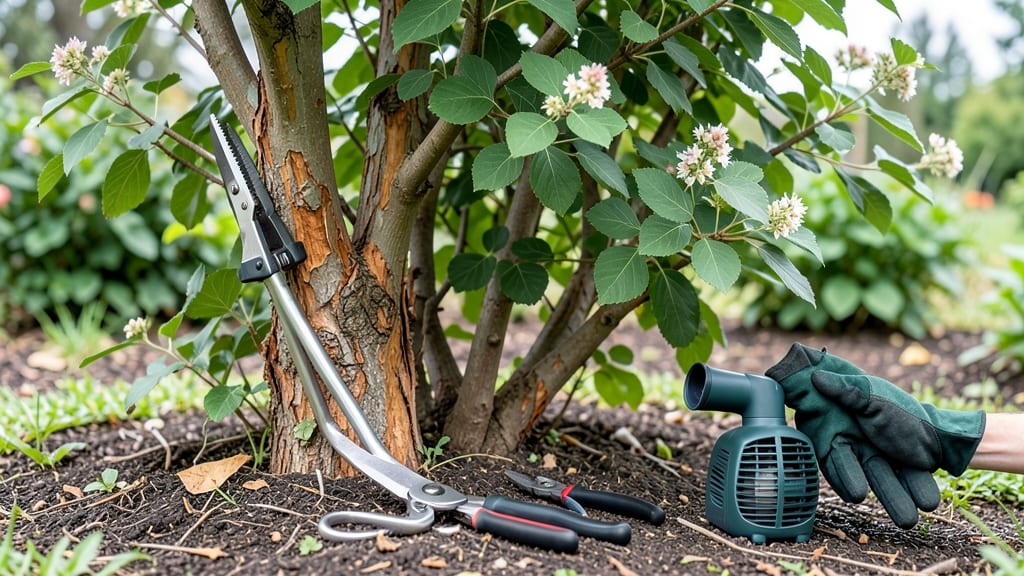
To trim a ninebark bush for healthier growth and fuller blooms, timing is everything—late winter is the golden window 🌿.
Picture this: You’ve spent months admiring your ninebark’s vibrant foliage, only to watch it struggle after a hasty summer trim. The difference between a lush, thriving bush and one that fights back is knowing when to prune—and why it matters.
Late winter (just before new growth starts) is your best bet for shaping, rejuvenating, and encouraging strong stems. But regional climates shift that window, and skipping the right cues can leave your bush vulnerable to pests or weak growth.
Below, I’ll break down the exact seasonal timing, tools to use, and step-by-step techniques—so you can prune like a pro and keep your ninebark bush looking its best year-round.
Best time to trim ninebark bushes for optimal growth
Your ninebark bush (Physocarpus) thrives when pruned at the right time, and late winter is the golden window for optimal growth.
This period—typically February to March in cold climates or January to February in mild zones—aligns with dormancy, making it easier to spot dead wood and shape your shrub without stressing it. Pruning now encourages healthier blooms and stronger stems for the upcoming season.
Why does timing matter so much? Ninebark blooms on old wood, meaning flowers form on last year’s growth. Cutting back too late risks removing next year’s flower buds. Conversely, pruning too early in winter can leave your plant vulnerable to cold damage or pests.
Late winter strikes the perfect balance, giving your bush a fresh start while protecting its future blooms.
Climate adjustments are key: In USDA Zones 3-5, wait until after the last frost (usually late February) to avoid frost damage. For Zones 6-9, you can prune as early as January, but avoid extreme cold snaps. Always check for dormant buds—if you see them swelling, it’s time to act.
Here’s what to look for before pruning: Dead or diseased branches (they’ll be brown, brittle, or lacking foliage), crossing stems (rubbing against each other), and overly crowded growth.
These signs indicate your ninebark is ready for a trim. Ignoring them can lead to poor airflow, inviting fungal issues or pests like spider mites.
Late winter pruning isn’t just about cutting back—it’s about strategic shaping. Focus on thinning out old stems to the ground, especially if they’re thicker than a pencil. This opens up the center of your ninebark, allowing sunlight and air to reach inner branches.
Aim to remove no more than 1/3 of the plant’s total growth to avoid shocking it.
If your ninebark has overgrown branches, prioritize removing the oldest stems first. These are usually the largest and may have peeling bark or fewer leaves. By making these cuts, you encourage younger, more vibrant stems to take over, resulting in a fuller, bushier appearance by summer.
Just remember: Never prune more than 25% of the plant in a single session.
For newly planted ninebark bushes, hold off on heavy pruning for the first year. Instead, focus on removing only dead or damaged branches to reduce stress. This gives the roots time to establish before you commit to shaping.
In subsequent years, late winter pruning will become your best friend for maintaining a neat, healthy hedge or shrub.
Pro tip: After pruning, sterilize your tools with rubbing alcohol to prevent spreading disease. Then, apply a balanced fertilizer (like 10-10-10) to give your ninebark a nutrient boost for the growing season.
Water deeply but avoid soaking the roots—this helps the cuts heal faster and reduces the risk of fungal infections.
Watch your ninebark transform over the next few months! With the right timing and technique, you’ll see lush new growth, vibrant foliage, and an abundance of summer blooms.
And the best part? This late winter pruning sets the stage for years of easy maintenance, making your garden chores a breeze.
Step-by-step late winter pruning guide for ninebark bushes
Late winter is the perfect time to prune your ninebark bush—before new growth begins but after the worst winter chill. This 2-3 week window (typically February to early March in most climates) gives your plant a head start for the growing season.
The goal? Remove dead wood, thin crowded branches, and shape for healthier blooms and stronger structure.
Start by gathering your pruning essentials: sharp bypass pruners for clean cuts, loppers for thicker branches, and disinfectant (like rubbing alcohol) to sterilize tools between cuts. This prevents spreading diseases or pests from infected stems. Wear gloves too—ninebark thorns are no joke!
⚠️ WARNING: Avoid Pruning Too Early or Too Late ⚠️
First, scan your bush for dead or diseased branches. These are easy to spot: they’re brown or black, brittle, or lack bark. Cut these back to healthy wood—look for green beneath the bark or fresh leaf scars. Remove any branches that cross or rub, as they’ll create wounds and invite pests. Use your pruners at a 45-degree angle just above a bud or side branch.
Next, focus on thinning out crowded areas. Ninebark bushes thrive with good airflow, so aim to remove 1/3 of the oldest stems at the base. This rejuvenates growth and prevents a woody, overgrown center.
For shaping, prune selectively—avoid heavy shearing, which can stimulate leggy growth. Instead, trim outer branches to encourage a fuller, bushier shape.
One common mistake is over-pruning, which stresses the plant. Never cut more than 25% of the bush’s total volume in one session. Another pitfall is pruning too close to the ground, which removes next year’s blooms.
Ninebark flowers on old wood, so always leave at least 6-12 inches of stem above the ground. For new growth, you can lightly trim tips in summer to encourage bushiness.
After pruning, clean up debris and apply a 2-3 inch layer of mulch around the base (but not touching the stem). This retains moisture and suppresses weeds. Water deeply if your region is dry, but avoid overwatering—ninebark is drought-tolerant once established.
With your pruning complete, your bush is now set up for a vibrant spring full of lush foliage and stunning blooms! ✂️🌿