
Shrubs
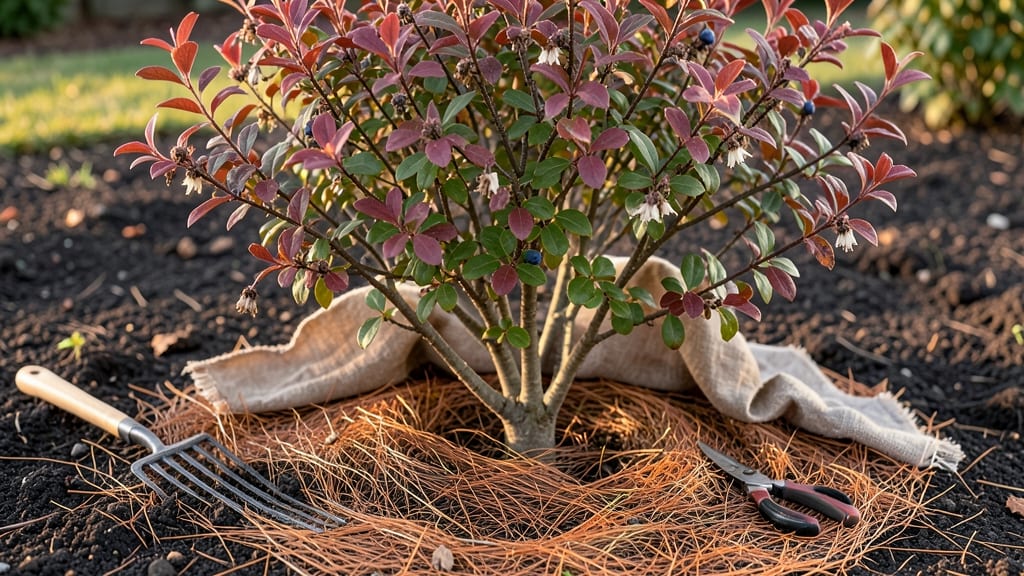
Winterizing blueberry bushes starts with one critical timing window—late fall, after harvest but before hard frost. I’ve learned the hard way that skipping this step means winter dieback, fewer berries next year, and plants that struggle to bounce back.
The secret isn’t just covering them; it’s about preparing their roots, stems, and soil for the deep freeze ahead.
Begin with pruning—remove dead wood and thin crowded stems to improve airflow, which prevents fungal diseases like mummy berry from taking hold over winter.
Then, apply a 3-4 inch layer of organic mulch (straw or wood chips work best) around the base, but keep it 6 inches away from the trunk to avoid rot. This insulates roots while letting moisture escape.
For zones 5-9, wrap young bushes or newly planted ones in burlap or frost cloth to shield tender stems from cracking temperatures. In colder zones (3-4), mound extra soil or mulch over the root zone for added protection.
The goal? Mimic the natural insulation of a forest floor so your bushes wake up strong in spring.
Watch for ice encasement—when heavy snow sticks to branches, causing them to snap. Gently brush off accumulation, and avoid heavy mulch in wet climates, where it can suffocate roots.
Done right, your bushes will reward you with earlier blooms, bigger yields, and decades of productivity—not just survival, but thriving.
📚 In This Guide
- What you need
- Instructions
- Tips and common mistakes
- Wrapping up and next steps
What you need
- ● Mulch: 2–3 inches of organic mulch (straw, shredded leaves, or pine needles) per bush. Avoid fresh wood chips—they can compact and suffocate roots.
- ● Pruning shears: 1 pair of sharp, sterilized shears (or loppers for thicker branches). Disinfect with rubbing alcohol between cuts.
- ● Garden gloves: 1 pair of cut-resistant gloves to protect your hands from thorns and debris.
- ● Burlap or frost cloth: Enough to wrap young or tender bushes (1–2 bushes = ~10’ x 10’ sheet). Opt for breathable fabric to prevent rot.
- ● Watering can or hose: For a final deep watering before winter (aim for 1–2 gallons per bush).
- ○ Stakes or wire mesh: Optional but helpful for supporting heavy mulch (e.g., 6” stakes or chicken wire).
- ● Anti-desiccant spray: A light coat of horticultural oil or wax to protect leaves from winter burn (use sparingly!).
- ● Soil conditioner: 1–2 cups of compost or aged manure mixed into the soil before mulching for extra nutrients.
- ● Row covers: For extreme climates (Zone 5 and colder), use floating row covers to trap heat.
- ● Thermometer: A soil thermometer to monitor ground temps—ideal for zones with freeze/thaw cycles.
Step-by-Step instructions for winterizing blueberry bushes
Here's how I prepare my blueberry bushes each fall to thrive through winter and burst with fruit next spring.
🌿 Step 1: Clean Up and Prune for Winter Dormancy
Start by removing any dead, diseased, or weak wood from your bushes using clean, sharp pruning shears. I cut back any branches that show signs of fungal infections or pests—this prevents overwintering problems. Cut just above a healthy bud or lateral branch to encourage new growth in spring.
Thin out crowded branches to improve air circulation, which reduces moisture retention and fungal risks. Aim to remove about one-third of the oldest canes—this rejuvenates the plant and prevents overgrowth. Prune on a dry day when the bushes are dormant but before the first hard frost hits your area.
🪴 Step 2: Apply a Layer of Organic Mulch
Spread a 3-4 inch thick layer of organic mulch—like shredded leaves, straw, or wood chips—around the base of the bushes. Keep the mulch 6 inches away from the stems to prevent rot. This layer insulates the roots from extreme cold while retaining moisture during dry winter spells.
I like to use pine needles or cedar chips because they naturally repel pests and add acidity to the soil, which blueberries love. Avoid fresh wood chips, as they can draw moisture away from the roots. Fluff the mulch gently to avoid compacting it—this ensures it stays effective all winter.
☀️ Step 3: Protect Young or Tender Bushes
For newly planted bushes or varieties with limited cold hardiness, wrap the stems in burlap or frost cloth to shield them from harsh winds and freezing temperatures. Secure the wrap loosely with twine or stakes, leaving room for air circulation. This extra layer can make all the difference in protecting tender growth.
If your bushes are in a windy area, consider adding a temporary windbreak, like a row of evergreen branches or a sturdy fence. Blueberries are sensitive to winter burn, so any protection you can provide will help them recover stronger in spring. Remove the wrap in early spring once the threat of frost has passed.
💧 Step 4: Water Deeply Before the Ground Freezes
Give your bushes a deep, slow watering about 2-3 weeks before the first expected frost. This ensures the roots are hydrated and prepared for dormancy. Avoid overwatering, as soggy soil can lead to root rot—just keep the soil evenly moist but not waterlogged.
I like to water in the late afternoon so the soil has time to absorb moisture before evening temperatures drop. If your area experiences heavy snowfall, the natural water from melting snow will supplement this hydration. Stop watering once the ground freezes to prevent heaving and root damage.
⏰ Step 5: Monitor and Adjust Through Winter
Check your bushes occasionally during winter to ensure the mulch hasn’t shifted or compacted. If heavy snow accumulates, gently brush it off the branches to prevent breakage. Avoid disturbing the mulch unless necessary—this preserves its insulating properties.
If you notice any signs of winter damage, like cracked bark or dried leaves, don’t panic. Blueberries are resilient, and pruning out any affected areas in early spring will help the plant recover. By following these steps, your bushes will wake up strong and ready to produce fruit come spring.
Tips & tricks for perfectly winterizing blueberry bushes
Winterizing your blueberry bushes isn't just about survival—it's about setting them up for a bountiful spring harvest. Here's what I've learned after years of trial and error to keep my bushes thriving.
Pruning Precision: When you're removing one-third of the oldest canes in Step 1, focus on the thickest, most woody stems first. These are the ones that produce the least fruit and compete with younger growth. Use clean pruning shears to avoid spreading disease, and make cuts at a 45-degree angle just above a healthy bud. This angle helps water run off and prevents rot.
Mulch Secrets: The 3-4 inch layer of mulch in Step 2 works best when applied after the ground cools but before hard frost. I've found that spreading it in late October or early November gives roots plenty of time to settle into dormancy without overheating. For extra insulation, top with a light layer of straw—it traps heat better than leaves alone and resists compaction from snow.
Protection for Tender Varieties: If you're wrapping young bushes in Step 3, leave the top third of the stems exposed to prevent moisture buildup. The wrap should breathe—tightly secured burlap can trap cold air. I've also had success using reflective bubble wrap around the stems for an extra layer of frost protection without restricting airflow.
Watering Wisdom: That deep watering 2-3 weeks before frost in Step 4 is crucial, but timing matters just as much. If your area gets heavy snowfall, you can skip this watering entirely—the snow provides plenty of moisture. Just be sure to stop watering completely once the ground freezes to prevent winter heaving that can damage roots.
Pro Tips for Winterizing Blueberry Bushes
- Winterizing your blueberry bushes isn't just about survival—it's about setting them up for a bountiful spring harvest.
- Pruning Precision: When you're removing one-third of the oldest canes in Step 1, focus on the thickest, most woody stems first.
- Mulch Secrets: The 3-4 inch layer of mulch in Step 2 works best when applied after the ground cools but before hard frost.
Frequently asked questions
Got questions about keeping your blueberry bushes thriving through winter? You’re not alone! Here are some of the most common concerns—and straightforward answers—to help you winterize like a pro.
When is the best time to winterize blueberry bushes?
Start preparing your blueberries for winter once temperatures consistently drop below 40°F (4°C) at night, typically in late fall (October–November, depending on your climate zone). For most regions, this means wrapping and mulching before the first hard frost. If you’re in a colder zone (Zones 3–5), act even sooner—early October is ideal.
Do I need to prune before winterizing?
Yes! Pruning is a critical step—do it after harvest but before winter sets in. Remove:
- Dead, diseased, or crossing branches
- Weak or overcrowded growth
- Any suckers at the base
What if I forget to winterize? Can my bushes still survive?
Blueberries are hardy plants, but extreme cold (<20°F/-7°C) or wind exposure can stress them. If you skip winterizing, your bushes may still survive, but you could see:
- Fewer berries next season
- Damaged canes or buds
- Increased pest/disease risk
Are there alternatives to burlap wraps for protecting bushes?
If burlap isn’t available, try:
- Frost cloth (breathable, reusable)
- Straw or pine needles (natural insulation)
- Cardboard boxes (cut to size, remove in spring)
- Snow piles (if you get heavy snowfall)
Will winterizing help prevent pests or diseases?
Yes! Winterizing reduces hiding spots for pests like:
- Birds (who peck at buds)
- Mice (who nest in mulch)
- Fungal spores (trapped in damp leaves)
Wrapping up and next steps
Winterizing your blueberry bushes is all about giving them the care they need to thrive when the cold sets in! 🌟 By following these steps—like mulching, pruning, and protecting young plants—you’re setting the stage for a bountiful harvest next season.
Remember, a little effort now means happier bushes (and tastier berries!) later.
Ready to take action? Grab your tools, roll up your sleeves, and start winterizing today! Your future blueberry bush will thank you with vibrant growth and delicious rewards. 🍇