
Pruning
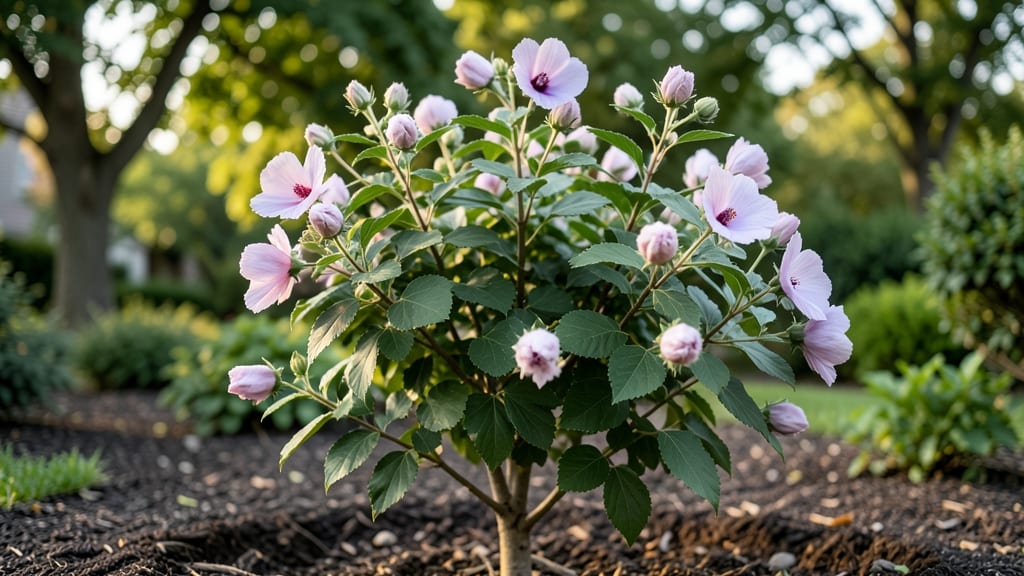
Growing a balloon cotton bush means waking up to fragrant, tropical blooms that last all year with the right seasonal care. 🌸 These striking trees—with their dramatic red-and-white flowers—thrive in heat-loving climates but need smart pruning to keep them lush and blooming.
I’ve learned the hard way that neglecting their trimming leads to leggy branches, so I’ll show you how to shape them like a pro. The secret lies in well-draining soil, full sun, and moderate watering—never soggy roots.
They love heat and humidity, making them perfect for zones 10-12, but with winter protection, you can grow them in cooler areas too. Start with a young plant or propagate from cuttings, and soon you’ll have a fragrant centerpiece for your garden.
Pruning isn’t just about looks—it’s about encouraging new growth and keeping the tree healthy. Trim back leggy branches after blooming, and shape it lightly in late winter. The payoff? A bush that smells like a tropical paradise year-round, with fewer pests and stronger branches. Common mistakes? Overwatering and skipping pruning.
But once you master these steps, your balloon cotton bush will reward you with bold blooms and sweet fragrance that turns heads—and noses—every season.
📚 In This Guide
- What you need
- Instructions
- Tips and common mistakes
- Wrapping up and next steps
What you need
- ● Balloon cotton bush plants: 1–3 nursery-grown plants (3–5 ft tall) or
- ● Seeds (soak overnight for faster germination) or
- ● Rooted cuttings (6–8 inches long, taken in spring/summer)
- ● Well-draining potting mix: 50% native soil, 30% compost, 20% perlite/sand (for pots or garden beds).
- ○ Container (optional but recommended for small spaces): 15–20 gallon pot with drainage holes (if growing in containers)
- ● Note: Balloon cotton bushes thrive in USDA Zones 9–11 but can be overwintered indoors in cooler climates.
- ● Pruning tools: Bypass pruners (for clean cuts on stems up to ½ inch thick)
- ● Loppers (for thicker branches, if needed)
- ● Sharp garden shears (for shaping)
- ● Safety gear: Gloves (to protect from thorns) and safety goggles (if pruning near eyes).
- ● Mulch: 2–3 inches of organic mulch (e.g., shredded bark or straw) to retain moisture.
- ○ Fertilizer (optional but helpful): Balanced 10-10-10 fertilizer or compost tea (apply in early spring)
- ● Watering can or hose with a gentle spray nozzle: Balloon cotton bushes love moisture but hate soggy roots!
- ● 💡 Sunlight: Plant in full sun to partial shade (6+ hours of sunlight daily for best blooms).
- ● 🌡️ Climate: Thrives in warm climates (60–90°F)—protect from frost!
- ● 🎯 Pruning timing: Trim after flowering (late summer/fall) to encourage year-round blooms.
Step-by-Step instructions for cultivating balloon cotton bush
Here's how to coax those signature balloon-shaped blooms and keep your plant fragrant all year.
🌱 Step 1: Select the Right Location and Planting Time
Balloon cotton bush thrives in full sun with at least 6-8 hours of direct light daily. I plant mine in spring after the last frost when soil temperatures reach 60°F—this prevents root shock and encourages vigorous growth. Choose a spot with well-draining soil, as this tropical-looking shrub hates soggy roots.
If you're growing in containers, ensure pots have drainage holes and use a mix of 50% potting soil and 50% perlite to improve aeration. The plant's roots are sensitive to waterlogging, so a raised bed or container setup works best in heavy clay soils. Amend garden beds with compost to improve drainage if needed.
☀️ Step 2: Prune Strategically for Continuous Blooms
The secret to year-round fragrance lies in pruning. After the first flush of blooms fades, cut back stems by one-third to encourage bushier growth. I always use clean, sharp pruners to make cuts just above a leaf node—this prevents disease and promotes faster regrowth. Prune again in early summer after the second bloom cycle.
For winter maintenance, reduce pruning but keep the plant tidy. Remove any dead or diseased branches immediately, and shape the plant lightly to maintain its natural form. Avoid heavy pruning in late fall, as new growth won't harden off before winter. Watch for new growth shoots emerging from the base—these indicate the plant is responding well to your pruning.
💧 Step 3: Water and Fertilize for Optimal Growth
Water deeply once a week, providing 1-1.5 gallons per plant at the base. Let the top 2 inches of soil dry out between waterings—this prevents root rot while keeping the plant hydrated. During heatwaves, increase watering to twice weekly and mulch with 2-3 inches of organic mulch to retain moisture and regulate soil temperature.
Fertilize lightly in spring with a balanced 10-10-10 fertilizer at half strength. Over-fertilizing leads to excessive leaf growth at the expense of blooms. I switch to a low-phosphorus fertilizer (like 5-5-5) once buds form to encourage more flowers. Stop fertilizing in late summer to allow the plant to prepare for winter dormancy.
✂️ Step 4: Overwinter Care for Next Season's Blooms
As temperatures drop below 40°F, reduce watering to every 2-3 weeks and stop fertilizing entirely. Wrap the base of the plant with burlap or frost cloth if you're in a colder zone, but avoid covering the entire plant—it needs some airflow to prevent rot. In containers, move the plant to a sheltered location like a garage or under an eave.
Prune lightly in late winter to remove any dead growth, but avoid heavy pruning until spring. The plant will show signs of new growth in early spring—watch for fresh green shoots emerging from the base. Once you see these, it's time to resume regular watering and fertilizing. This careful overwintering ensures your balloon cotton bush returns with vigor and fragrance the following season.
Tips & tricks for perfect balloon cotton bush cultivation
Here's what nobody tells you about keeping your balloon cotton bush thriving and fragrant year-round.
Lighting Strategy: The 6-8 hours of direct sunlight mentioned in Step 1 is non-negotiable for those signature balloon blooms. If your garden gets less than 6 hours, consider using a grow light for 4-6 hours daily to supplement. I've seen plants in shady spots produce minimal blooms—those puffy flowers need maximum light to develop properly. Position your plant where it gets morning sun and afternoon shade in hot climates to prevent leaf scorch while still meeting the light requirement.
Pruning Precision: When you're cutting back those stems by one-third in Step 2, always make your cuts at a 45-degree angle just above a leaf node. This angled cut helps water run off the stem rather than pool and rot. I've made the mistake of cutting too close to the node—it stunts regrowth. Also, never prune more than one-third of the plant at a time; this prevents stress that could lead to fewer blooms. Think of it as giving your plant a haircut rather than a buzz cut!
Watering Wisdom: That 2-inch soil dryness guideline in Step 3 is perfect for most climates, but during heatwaves, I increase watering to twice weekly and add the 2-3 inches of organic mulch. The mulch acts like a blanket, keeping roots cool and moisture locked in. Pro tip: Water in the morning so foliage dries quickly—wet leaves at night can invite fungal issues. And always water at the base, not overhead, to protect those delicate blooms from getting soggy.
Fertilizer Timing: The switch to low-phosphorus fertilizer once buds form in Step 3 is crucial—it redirects the plant's energy to flower production rather than leaf growth. I've seen plants with lush foliage but no blooms when gardeners over-fertilize with high-phosphorus mixes. Remember to stop fertilizing completely by late summer to let the plant prepare for dormancy. This seasonal pause is what ensures robust blooms the following year.
Pro Tips for Balloon Cotton Bush
- Here's what nobody tells you about keeping your balloon cotton bush thriving and fragrant year-round.
- Lighting Strategy: The 6-8 hours of direct sunlight mentioned in Step 1 is non-negotiable for those signature balloon blooms.
- Pruning Precision: When you're cutting back those stems by one-third in Step 2, always make your cuts at a 45-degree angle just above a leaf node.
Frequently asked questions
Got questions about growing and maintaining your balloon cotton bush (Kigelia africana)?
You’re not alone! Here are some of the most common queries—and their answers—to help you keep your fragrant tree thriving year-round.
When is the best time to trim my balloon cotton bush?
The ideal time to prune is late winter or early spring, just before new growth begins. This ensures you’re shaping the tree without disrupting its flowering cycle. Avoid heavy trimming during peak bloom (summer) to protect those iconic balloon-shaped seed pods!
How often should I prune my balloon cotton bush?
Light maintenance trims (removing dead or crossing branches) can happen year-round, but a major shape-up every 2–3 years keeps it healthy and encourages lush foliage. Focus on seasonal adjustments—like thinning out dense areas in spring—to improve airflow and sunlight exposure.
What should I do if my balloon cotton bush isn’t flowering?
Lack of flowers often signals stress from over-pruning, poor soil, or insufficient sunlight. Check these:
- Sunlight: Ensure it gets full sun (6+ hours daily)—partial shade can stunt blooms.
- Soil: Amend clay or sandy soil with compost for better drainage.
- Water: Deep water 1–2 times weekly (drought stress = fewer flowers!).
Can I grow balloon cotton bush in containers? And if so, how?
Yes! It thrives in large containers (15+ gallons) with drainage holes, using a well-draining potting mix. Choose a fast-growing variety (like ‘Kigelia pinnata’) and repot every 2–3 years. Place in full sun and prune aggressively to control size—container roots can’t support a sprawling tree!
Are the seed pods (balloons) safe to touch, or are they toxic?
The seed pods themselves aren’t toxic, but the seeds inside are poisonous if ingested (they contain kigelin, a toxic compound). Wear gloves when handling them, and never crush or open pods near pets/kids. The pods are prized for dried floral arrangements—just admire from afar!
Pro Tip: Label your cuts!
If you’re experimenting with propagation from cuttings, mark them with plant tags (include the date and type of cut). This helps track which trims root successfully—balloon cotton bush cuttings need bottom heat (70°F+) and a rooting hormone for best results.
Wrapping up and next steps
Transforming your outdoor space with the sweet, citrusy fragrance of a balloon cotton bush is easier than you think!
With the right tools, seasonal trimming techniques, and a little patience, you’ll enjoy its blooms—and that heavenly scent—year after year. Now’s the perfect time to roll up your sleeves and get pruning!
Ready to dive in? Start by marking your calendar for the next blooming season and revisit this guide for step-by-step reminders. Happy gardening—your nose (and neighbors!) will thank you! 🌿✨