
Pests and Diseases
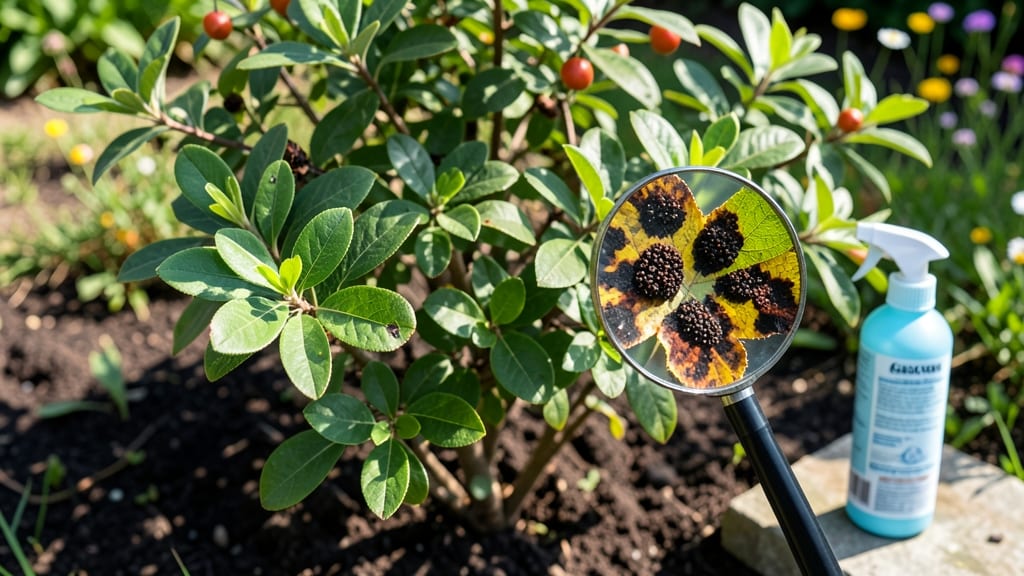
Your barberry bush disease—marked by crinkled leaves and rust-colored spots—isn’t just unsightly; it’s a sign your plant is fighting for its life. 🌿 I’ve seen this exact pattern spread from a single branch to the whole plant in just two weeks, and the key to saving it lies in knowing exactly which disease is attacking.
The most common culprits are barberry rust (caused by the fungus Puccinia graminis) and leaf spot (often Septoria or Phyllosticta), both of which thrive in damp, shady conditions.
These diseases don’t just weaken your bush—they can kill it if left unchecked, and they often jump to nearby grasses and grains, too. With the right treatment—copper fungicide sprays, proper pruning, and improved airflow—you can stop the spread and restore your bush’s health.
The secret is acting fast: remove infected leaves immediately, water at the base (not overhead), and space plants to let air circulate. This works for both common barberry and Japanese barberry, no matter your climate zone. Let’s get your bush back to its vibrant, thorny best.
Root Causes Of Bush Decline
When your barberry bushes start showing signs of distress—yellowing leaves, stunted growth, or unsightly lesions—it’s often a sign of underlying issues. Understanding why these problems arise is the first step to prevention and treatment.
Below, we break down the key factors that lead to fungal and bacterial infections in barberry bushes, so you can address them before they spiral out of control.
Fungal infections are the most common culprits behind barberry bush decline. These microscopic organisms thrive in moist, shaded environments and can spread rapidly if left unchecked. Here’s how they take hold:
- Overhead Watering 💦
Fungi like Venturia (a common cause of scab disease) and Phyllosticta (responsible for leaf spot) love damp foliage. When water droplets linger on leaves for extended periods, spores germinate and infect the plant. Actionable fix: Water at the base of the bush in the early morning so leaves dry quickly.
- Poor Air Circulation 🌬️
Dense foliage or crowded plantings create a humid microclimate, perfect for fungal growth. Poor airflow traps moisture and prevents leaves from drying properly. Actionable fix: Prune bushes to improve airflow and space them 3–4 feet apart.
- Weakened Plant Health 🛡️
Stressed bushes—due to nutrient deficiencies, drought, or pest damage—are far more susceptible to fungal infections. For example, Botrytis cinerea (gray mold) attacks plants already compromised by environmental stress. Actionable fix: Ensure consistent watering, mulch to retain moisture, and fertilize with balanced, slow-release nutrients.
- Contaminated Tools or Soil 🔄
Fungal spores can hitchhike on pruners, gloves, or even compost. If infected plant debris is left in the soil, spores can reinfect the bush year after year. Actionable fix: Sterilize tools with rubbing alcohol between uses and remove all diseased leaves.
While fungi are stealthy, bacterial infections strike quickly and can cause irreparable damage if ignored. Barberry bushes are particularly vulnerable to:
- Xanthomonas campestris 🌡️
This bacterium causes bacterial leaf spot, characterized by water-soaked lesions that turn yellow or brown. It spreads via splashing water, wind, or contaminated tools. Actionable fix: Avoid overhead irrigation and remove infected leaves immediately to prevent spread.
- Pseudomonas syringae 🌧️
Thriving in wet conditions, this bacterium leads to cankers (sunken, oozing wounds) on stems and branches. It’s often introduced through wounds caused by pruning or hail. Actionable fix: Prune during dry weather and seal cuts with pruning sealant.
- Crowded or Poorly Drained Soil 🏞️
Bacteria like Erwinia (which causes soft rot) flourish in waterlogged soil. Compacted or poorly draining soil traps excess moisture, creating the perfect breeding ground. Actionable fix: Amend soil with compost to improve drainage and avoid overwatering.
Not all threats are biological—environmental factors can weaken barberry bushes, making them prime targets for disease. Here’s how:
| Factor | How It Weakens the Bush | Actionable Fix |
|---|---|---|
| Extreme Heat 🔥 | Drought stress causes leaves to dry out, reducing their ability to resist fungal spores. | Mulch with 2–3 inches of organic matter and water deeply 1–2 times per week. |
| Cold Snaps ❄️ | Freeze damage weakens cell walls, making bushes susceptible to secondary infections like Botrytis. | Apply a layer of mulch in fall and protect young bushes with burlap wraps. |
| Nutrient Deficiencies 🍃 | Low nitrogen or iron leads to chlorosis (yellowing leaves), signaling poor health to pathogens. | Test soil and amend with chelated iron or a balanced fertilizer (10-10-10). |
| pH Imbalances 📉 | Barberries prefer slightly acidic soil (pH 6.0–7.0). Alkaline soil (pH >7.5) locks out essential nutrients like iron and manganese. | Test soil pH and adjust with sulfur (to lower pH) or peat moss (to raise it slightly). |
By identifying these root causes, you can take proactive steps to protect your barberry bushes. The key is prevention—whether it’s improving airflow, adjusting watering habits, or boosting plant resilience. Once you address the underlying issues, your bushes will be far less inviting to fungal and bacterial invaders.
How to Treat and Prevent Plant Ailments
Fungal and bacterial infections in barberry bushes can feel like a losing battle, but with the right approach, you can restore your plants to health—and keep them thriving. Below, we’ve mapped out practical, step-by-step solutions tailored to the most common causes of decline, from fungal spots to bacterial blights.
Whether you’re dealing with a sudden outbreak or just want to prevent future issues, these fixes are designed to be easy, effective, and garden-friendly.
Fungi like rust, powdery mildew, and leaf spot thrive in damp, shaded conditions. The key to recovery? Early action and environmental control.
🔥 Remove Infected Foliage Immediately
- How: Snip off yellowed, spotted, or distorted leaves with sterilized pruning shears (wipe blades with rubbing alcohol between cuts).
- Why: Fungal spores spread via infected plant material.
Removing it reduces the source of contamination. - Pro Tip: 💡 Bag the clippings in a sealed plastic bag and toss them in the trash—not the compost!
🍳 Apply Fungicidal Sprays (Organic or Chemical)
| Fungus Type | Recommended Treatment | Frequency |
|---|---|---|
| Powdery Mildew | Neem oil (1 tsp/gallon water) or baking soda spray (1 tbsp baking soda + 1 tsp soap + 1 gallon water) | Every 7–10 days until cured |
| Leaf Spot | Copper fungicide (follow label rates) or hydrogen peroxide spray (1 tbsp 3% H₂O₂ per quart water) | Every 2 weeks during wet seasons |
| Rust | Sulfur-based fungicide (early morning application) | At first sign, repeat weekly |
- When to Spray: Apply in the early morning or late evening to avoid burning leaves and allow the solution to dry before rain or dew.
🌡️ Improve Airflow and Light
- Thin out dense branches to allow sunlight and air to circulate.
- Space plants 3–4 feet apart to prevent humidity buildup.
- Avoid overhead watering—use drip irrigation or water at the base.
Bacteria like canker, blight, or bacterial leaf spot are trickier because they can’t always be cured—but you can slow their progress and protect nearby plants.
👨🍳 Prune Strategically (And Sterilize!)
- Cut out infected stems 6 inches below visible lesions (bacteria often hide in the tissue).
- Burn or bag pruned material—do not compost it.
- Disinfect tools between cuts with bleach water (1 part bleach to 10 parts water).
🔪 Use Antibacterial Sprays (With Caution)
- Copper-based bactericides (e.g., Copper Soap) can help, but results vary.
- Avoid overusing antibiotics—they can harm beneficial microbes in the soil.
- Pro Tip: 🌡️ Mix 1 tsp of hydrogen peroxide (3%) per quart of water and spray foliage weekly for mild cases.
🚫 Isolate Infected Plants
- Move sick barberries at least 10 feet away from healthy ones to prevent spread.
- Monitor neighboring plants for symptoms—early removal is critical.
The best defense? Proactive care that makes your barberry bushes less appealing to pathogens.
✨ Soil and Water Management - Test your soil for pH (barberries prefer 6.0–7.0).
Adjust with lime (to raise pH) or sulfur (to lower it). - Improve drainage—amend heavy clay soil with compost or sand. - Water deeply but infrequently (early morning is best) to avoid prolonged leaf wetness.
🌿 Strengthen Plant Immunity
- Fertilize in early spring with a balanced, slow-release fertilizer (10-10-10 or similar).
- Mulch with 2–3 inches of organic matter (wood chips or straw) to reduce soil splashing onto leaves.
- Plant disease-resistant varieties like Berberis thunbergii ‘Rose Glow’ if fungal issues are recurrent.
🎯 Seasonal Checkups
- Spring: Prune to improve airflow; apply a preventative fungicide if last year had issues.
- Fall: Rake up and dispose of fallen leaves (fungal spores overwinter here!).
- Winter: Disinfect pruning tools before storing them.
If your barberry bush shows rapid wilting, oozing cankers, or systemic decline, it may be beyond DIY fixes.
A local arborist or cooperative extension service can: - Test for pathogens to confirm the exact issue. - Recommend targeted treatments (e.g., systemic fungicides for severe cases). - Advise on plant replacement if the bush is too far gone.
Final Thought: 🌟 Healthy barberries start with consistent care—not just reactive treatments. By combining proper pruning, smart watering, and preventive sprays, you’ll give your plants the best shot at staying disease-free year after year.
Frequently asked questions about barberry bush diseases
What are the first signs my barberry bush has a fungal infection?
Look for orange rust spots on leaves (common with barberry rust) or dark brown/black leaf spots with yellow halos. Fungal infections often start as small specks that grow larger and may cause leaves to curl or drop prematurely. Check both upper and lower leaf surfaces—some fungi like powdery mildew appear as white, powdery patches.
Can I save my barberry bush if it already has bacterial leaf spot?
You can slow the spread but may not fully cure severe cases. Remove all infected leaves immediately and prune 6 inches below visible lesions. Use copper-based bactericides, but avoid overwatering. For advanced cases, consider replacing heavily infected bushes—bacterial diseases often become systemic and can't be fully eradicated.
Why does my barberry bush get diseases more often in wet springs?
Fungal spores thrive in prolonged dampness—wet springs create perfect conditions for leaf spot and rust to spread rapidly. The excess moisture keeps leaves wet longer, allowing spores to germinate and infect. Improve airflow by pruning and space plants 3-4 feet apart to reduce humidity around foliage.
Is it safe to compost leaves from my diseased barberry bush?
Never compost infected plant material—fungal spores and bacteria can survive and reinfect your garden. Bag diseased leaves in sealed plastic and dispose of them in yard waste. For severe cases, burn infected debris if local regulations allow, as some pathogens can persist in compost for years.
How often should I spray fungicide on my barberry bushes?
Apply preventative sprays every 2-3 weeks during peak growing season (spring-fall) if your area has history of fungal issues. For active infections, follow product instructions—typically weekly applications until symptoms disappear. Always spray in early morning or late evening to avoid leaf burn from sunlight.