
Pruning
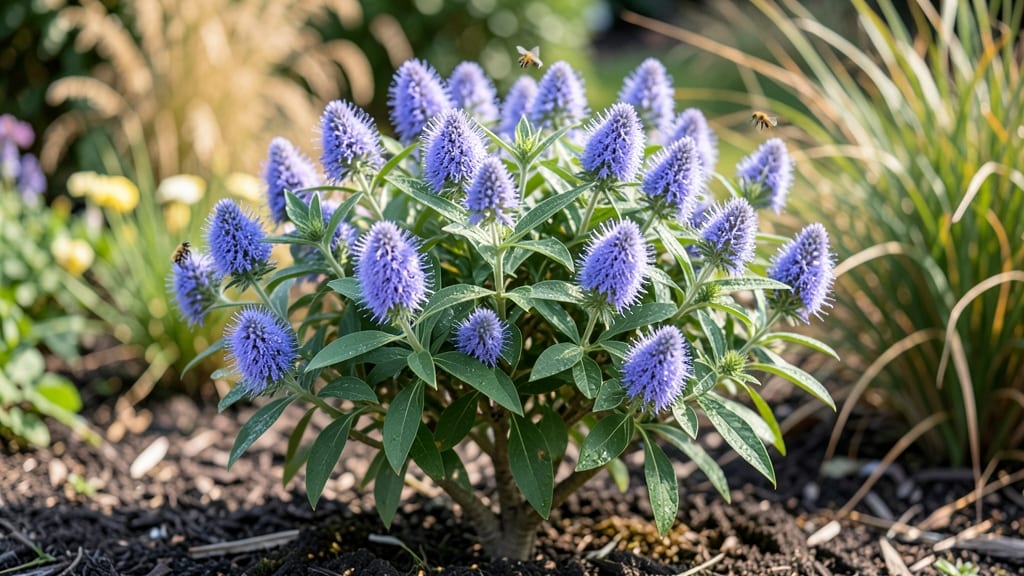
Your compact butterfly bush could be the fragrant centerpiece of your garden—if you prune it right. 🌿 I’ve turned my 'Nanho Blue' into a bushy, butterfly magnet by mastering the art of precision trimming, and the secret isn’t complicated: it’s all about timing and technique.
The key starts with planting in full sun and well-draining soil—no soggy roots here. Water deeply once established, but let the soil dry between waterings. Most people overwater, which leads to floppy stems and fewer blooms.
Once it’s settled, the real magic happens in late winter or early spring when you shape it back to encourage dense, fragrant growth. By summer, you’ll have a 3-foot-tall powerhouse covered in blooms that butterflies can’t resist.
The fragrance lingers long after the flowers fade, and with the right cuts, you’ll keep it compact for years. The best part? Less pruning means more energy for blooms, not just leaves. For those who worry about overgrowth or pests, don’t—this bush is tough.
Just watch for aphids and give it a quick spray of soapy water if they show up. Now, let’s get those shears sharp!
📚 In This Guide
- What you need
- Instructions
- Tips and common mistakes
- Wrapping up and next steps
What you need
- ● Pruning shears: Bypass pruners (for clean cuts) or anvil pruners (for thicker stems). Must be sharp and sanitized with rubbing alcohol or bleach (1 part bleach to 9 parts water).
- ● Gloves: Heavy-duty gardening gloves (to protect from thorns and sap).
- ● Disposable bags or bucket: For collecting clippings (1-2 large bags or a 5-gallon bucket).
- ○ Loppers (optional): For thicker branches (up to 1-inch diameter).
- ○ Hand saw (optional): For stubborn, woody stems (fine-tooth, 8-10 inches long).
- ○ Pruning sealant (optional): For large cuts (to prevent disease).
- ● Hose or spray bottle: To rinse tools and clean sap off hands.
- ○ Notebook & pen (optional): To sketch your bush’s shape or track growth patterns.
- ● Check the weather: Trim on a dry, overcast day (avoid trimming when the bush is wet or in direct sun).
- ● Gather your tools before starting—nothing’s worse than scrambling mid-prune! 😅
- ● Wear comfortable clothing (long sleeves/pants to avoid scratches).
How to maintain a compact butterfly bush for year-round blooms
Here's the straightforward method I use to keep my butterfly bushes lush, fragrant, and perfectly sized all year.
🌿 Step 1: Select the Right Variety and Planting Location
Choose a compact variety like 'Dwarf Fountain' or 'Lilac Chimes' that naturally stays under 4 feet tall. These types are bred for smaller spaces and respond beautifully to pruning. Plant in full sun—at least 6-8 hours daily—for the best fragrance and blooms.
Dig a hole twice as wide as the root ball but no deeper. This encourages roots to spread outward, which makes the bush stronger and more compact. Amend the native soil with 2-3 inches of compost to improve drainage and fertility. Butterfly bushes hate soggy roots, so avoid low spots where water pools.
✂️ Step 2: Prune for Shape and Bloom Timing
Start pruning in early spring before new growth appears. Cut back one-third of the oldest stems to the ground—these are the stems from last year. This encourages fresh, vigorous growth and prevents the bush from getting leggy. Use clean, sharp pruners to make 45-degree cuts just above a leaf node.
For continuous blooms, do a light pruning in mid-summer after the first flush of flowers fades. Trim back 10-15% of the new growth to encourage another round of blooms. Avoid heavy pruning in late summer—this can delay next year's flowers. Always wear gloves; butterfly bush leaves can irritate sensitive skin.
💧 Step 3: Water and Fertilize for Compact Growth
Water deeply once a week during the first growing season to establish roots. After that, water every 10-14 days unless you're in extreme heat or drought. Let the top 2 inches of soil dry out between waterings—this prevents root rot and keeps the bush compact. Mulch with 2-3 inches of shredded bark to retain moisture and suppress weeds.
Feed with a balanced fertilizer (10-10-10) in early spring when new growth starts. Apply half the recommended dose to avoid excessive leafy growth at the expense of flowers. Skip fertilizer in late summer—this can stimulate tender growth that won't survive winter. Over-fertilizing is the #1 reason butterfly bushes grow too large and floppy.
☀️ Step 4: Winter Care for Next Year's Blooms
In late fall, cut back all stems to 6-12 inches tall—this is called "hard pruning." Remove any dead or diseased wood first. The bush will look bare, but this encourages strong new growth in spring. Cover the base with 4-6 inches of mulch to protect roots from freezing temperatures.
Wait to prune until late winter or early spring if you live in a mild climate. Cold pruning can expose tender new growth to frost damage. Look for swollen buds on the stems—this is your signal that the bush is waking up and ready for shaping. A well-pruned butterfly bush will reward you with fragrant blooms from early summer through fall.
⏰ Step 5: Monitor and Adjust for Year-Round Fragrance
Check your bush weekly for signs of pests like spider mites or aphids. Spray with neem oil if you see sticky residue or tiny webs—this keeps the bush healthy without harming butterflies. Deadhead spent flowers every 2 weeks to encourage more blooms and maintain a tidy appearance.
If your bush starts to outgrow its space, do a renewal pruning in early spring. Cut back half the oldest stems to the ground and shape the rest to keep the bush full. This rejuvenates the plant and keeps it compact. With consistent care, your butterfly bush will stay fragrant, full, and perfectly sized for years.
Tips & tricks for perfect compact butterfly bush care
Real talk: Keeping your butterfly bush compact and fragrant takes more than just occasional pruning. These are the little details that make all the difference between a bush that stays tidy and one that sprawls out of control.
Pruning Precision: When you're doing that early spring pruning in Step 2, look for stems that are thicker than a pencil—these are the oldest ones you want to cut back completely. The 45-degree angle cut isn't just for looks; it helps water run off the stem and prevents rot. I always sterilize my pruners with rubbing alcohol between cuts to avoid spreading disease.
Soil Secrets: That 2-3 inches of compost in Step 1 isn't just about nutrients—it's about creating the perfect air-to-moisture balance. If your soil compacts easily when wet, mix in some perlite or coarse sand to improve drainage. Compacted soil is what causes those soggy roots that make bushes grow leggy and weak.
Watering Wisdom: The "every 10-14 days" rule in Step 3 only works if you're checking that top 2 inches of soil. Stick your finger in—if it feels dry, water deeply. If it's still damp, wait another day. Overwatering is the silent killer of compact bushes, causing them to grow tall and spindly as they reach for light.
Fertilizer Timing: That half-dose of 10-10-10 in early spring is crucial, but here's what nobody tells you—if your bush gets leafy but flowerless, you're overdoing it. The key is to stop fertilizing by July. I've seen bushes double in size when people keep feeding through summer, and then they freeze in winter because the new growth isn't hardened off.
Pro Tips for Butterfly Bush Compact
- Real talk: Keeping your butterfly bush compact and fragrant takes more than just occasional pruning.
- Pruning Precision: When you're doing that early spring pruning in Step 2, look for stems that are thicker than a pencil—these are the oldest ones you want to cut back completely.
- Soil Secrets: That 2-3 inches of compost in Step 1 isn't just about nutrients—it's about creating the perfect air-to-moisture balance.
Frequently asked questions
about your Butterfly Bush Compact—because even the best pruning plans need a little extra clarity!When is the best time to prune my compact butterfly bush?
The ideal time is late winter or early spring (before new growth starts) to shape the plant and encourage blooms. For light shaping, you can also prune right after flowering (summer) to maintain its compact form. Avoid heavy pruning in fall—it can stimulate tender new growth that won’t survive frost.
How much can I trim back my butterfly bush without harming it?
You can safely trim up to one-third of the plant’s height in a single session, but avoid over-pruning. For compact varieties, aim to reduce stems by 50% or less to maintain its bushy shape. Thin out crowded branches first, then shape the outer edges for a neat look. Pro tip: Never remove more than 25% in one go if the bush looks stressed!
Will pruning reduce the number of butterflies my bush attracts?
Not at all! Pruning actually encourages more blooms—and blooms mean more nectar for butterflies. Focus on removing dead or overcrowded wood and thinning stems to improve airflow. Just avoid cutting back too late in the season, as new growth may not have time to support flowers before winter.
What if my compact butterfly bush isn’t blooming after pruning?
Check these fixes:
- Light levels: Ensure it gets full sun (6+ hours daily)—partial shade can reduce blooms.
- Fertilizer: Use a balanced, low-nitrogen fertilizer in early spring to promote flowering.
- Age: Young bushes (under 2 years) may need time to establish before blooming.
- Over-pruning: If you cut back too aggressively, delay blooming. Stick to gentle shaping!
Are there compact butterfly bush alternatives with less maintenance?
Yes! If pruning feels like too much work, consider these low-maintenance options:
Plant
Height
Bloom Time
Butterfly Appeal
Dwarf Butterfly Bush ('Dwarf Blue Chip')
3–4 ft
Summer to fall
(attracts monarchs, swallowtails)
Butterfly Weed (Asclepias tuberosa)
1–2 ft
Summer
(monarch host plant!)
Russian Sage (Perovskia atriplicifolia)
2–3 ft
Summer to fall
(drought-tolerant, pollinator magnet)
Wrapping up and next steps
Transforming your butterfly bush compact into a fragrant, year-round beauty is simpler than you think!
With the right tools, timing, and techniques, you’ll enjoy lush blooms and intoxicating scents without the guesswork. 🌿✨ Whether you’re a seasoned gardener or just starting, every snip brings you closer to a thriving, aromatic garden.
Ready to elevate your outdoor space? Grab your pruners, mark your calendar, and start trimming today! Your butterfly bush—and pollinators—will thank you!