
Advice
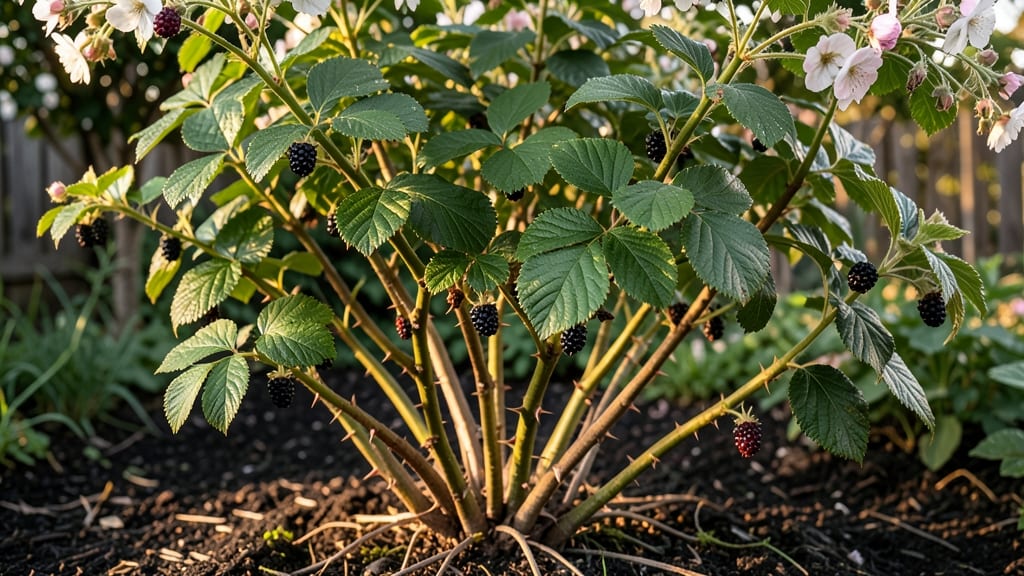
Yes, blackberry bushes come back every year as hardy perennials, regrowing from their roots after winter dormancy. With proper care, they produce new canes annually and thrive in USDA zones 5-10, though some varieties may need winter protection in colder climates.
Blackberries are what gardeners call "deciduous perennials," meaning they die back to the ground each winter but regrow from their extensive root systems. 🌱 The key to their yearly return lies in those roots—even when above-ground canes freeze, the underground network stays alive and sends up fresh growth in spring.
This makes them far more reliable than annual plants, which need replanting every year.
What sets blackberries apart is their two-year cane cycle: first-year canes (primocanes) grow vegetatively, while second-year canes (floricanes) produce fruit. This means even if you prune heavily, you'll still get new growth each season.
The hardiest varieties can survive winters as cold as -20°F, though younger plants or tender varieties in zone 4 may need extra protection.
💡 In This Article
- Blackberry Bush Perennial Growth Cycle Explained
- How to Winter-Protect Blackberry Bushes in Cold Climates
Blackberry bush perennial growth cycle explained
The blackberry's perennial nature stems from its sophisticated root system, which can extend up to 6 feet deep and spread 10-12 feet wide over time. This extensive network stores carbohydrates during summer and fall, fueling regrowth when temperatures rise.
The roots contain specialized cells called meristems that remain dormant but viable through winter, even when surface temperatures drop below 0°F. 🌿 This biological adaptation explains why blackberries thrive as perennials—unlike annuals that complete their lifecycle in one season.
Blackberries follow a distinctive two-year cane cycle that ensures annual fruit production. First-year canes (primocanes) focus on vertical growth, reaching heights of 6-10 feet while developing leaves and stems. These canes store energy in their roots for next year's fruiting.
Second-year canes (floricanes) emerge from the same root system but produce fruit before dying back. This dual-system approach means you'll always have new growth emerging each spring, even if last year's canes are pruned away. The cycle creates a natural balance where 30-50% of canes are productive each year.
The dormancy process is fascinating—blackberries enter a state called "endodormancy" when daylight shortens in autumn. During this period, the plant's metabolic activity slows dramatically, with root respiration dropping to just 5-10% of summer levels. This conservation mechanism allows the plant to survive freezing temperatures while maintaining cellular integrity.
When spring arrives, increasing daylight triggers budbreak, with new primocanes emerging from the crown within 2-3 weeks of consistent 50°F temperatures. 🌱
Cold hardiness varies significantly between varieties, with some thriving in USDA zones 5-10 while others struggle below zone 6. The 'Cheyenne' cultivar, for example, handles -25°F winters, while 'Triple Crown' may need protection at -15°F.
This variation occurs because different varieties have evolved distinct cold tolerance mechanisms, including higher sugar concentrations in their cells (which act as natural antifreeze) and thicker bark on their canes. The root crown—the area where canes emerge—is particularly vulnerable, which is why proper winter protection focuses on insulating this zone.
What most gardeners don't realize is how blackberries adapt their growth patterns based on climate. In warmer zones (7-10), they may produce multiple flushes of primocanes throughout summer, while colder zone plants concentrate all growth in spring. This plasticity allows blackberries to thrive across such a wide geographic range.
The plant's ability to regenerate from even small root fragments (as little as 2 inches) makes them incredibly resilient—you can often revive seemingly dead bushes by finding and protecting these root sections during winter.
Seasonal growth patterns also reveal why blackberries are such reliable perennials. Spring growth begins when soil temperatures reach 55°F, with new canes growing 1-2 feet per month during optimal conditions. Summer heat triggers flowering on floricanes, while fall brings fruit ripening and root carbohydrate storage.
This synchronized biological clock ensures the plant is always prepared for winter dormancy and next year's growth cycle. The result? A self-sustaining system that requires minimal intervention from gardeners. 💫