
Shrubs
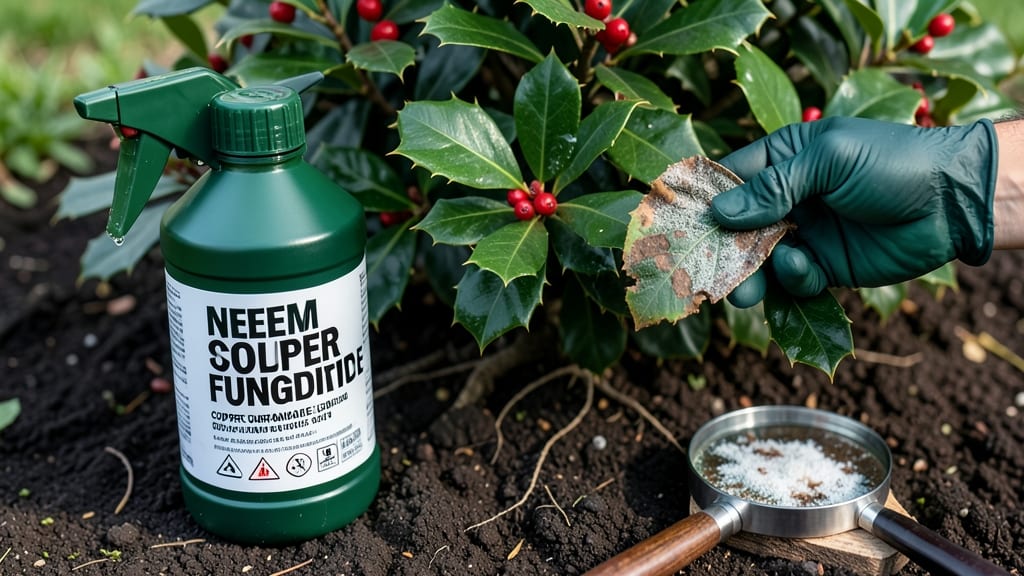
When your holly bushes develop rusty spots or blackened leaves, the right fungicide can save them. 🌿 I’ve battled holly blight and rust for years, and the difference between a chemical spray and organic treatments is night and day—especially when you’re protecting those glossy leaves and bright berries.
The first step is identifying the problem: powdery mildew looks like white dust, leaf spot shows up as dark splotches, and rust creates orange pustules. Once you know what you’re dealing with, fungicides like copper fungicide (for rust) or neem oil (for mildew) become your best tools.
Prevention matters too—prune for airflow, water at the base, and space bushes properly to avoid humidity traps.
You’ll see improvement within 2-3 weeks of treatment if you catch it early. The key is consistency: apply fungicide every 7-10 days during wet seasons, and always clean up fallen leaves to stop spores from spreading.
Holly bushes are tough, but fungal diseases won’t hesitate to take over if you ignore them.
For chemical options, follow label instructions carefully—overuse can harm beneficial insects. Organic methods like baking soda sprays (for mildew) or hydrogen peroxide (for spot treatments) work too, though they may require more frequent applications. Either way, your holly’s health depends on acting fast.
Root Causes of Holly Fungal Woes
Holly bushes, with their glossy leaves and vibrant berries, are a staple in many gardens—but they’re not immune to fungal threats like rust and blight. Understanding why these issues arise helps you take proactive steps to protect your plants.
Below, we break down the key culprits behind fungal infections in holly bushes, backed by science and real-world gardening challenges.
Fungi thrive in moisture, and holly bushes are particularly susceptible when their foliage stays damp for prolonged periods. Here’s why:
- Poor Air Circulation: Dense holly growth or overcrowded plantings trap humidity, creating the perfect breeding ground for Puccinia (rust) and Phytophthora (blight) spores. Fungal spores need just 48 hours of leaf wetness to germinate.
- Rain or Overwatering: Holly bushes prefer well-drained soil, but soggy roots or waterlogged leaves (from overhead irrigation or rain) weaken the plant’s defenses. Exobasidium, the fungus behind holly blight, spreads rapidly in these conditions.
- Morning Dew: While dew itself isn’t harmful, if it lingers until afternoon—especially in shady, low-lying areas—it extends the moisture window fungi need to infect leaves.
Actionable Fix: Space holly bushes 3–5 feet apart for airflow, water at the base (not overhead), and avoid planting in low spots where water pools.
A healthy holly bush has natural resistance, but stress from environmental or cultural factors opens the door to fungal invaders. Common stressors include:
- Nutrient Deficiencies: Low nitrogen or phosphorus weakens cell walls, making holly leaves easier targets. Yellowing leaves (a sign of deficiency) often precede fungal outbreaks.
- Compacted or Poor Soil: Holly bushes need well-aerated, slightly acidic soil (pH 4.5–5.5). Compacted soil restricts root growth, starving the plant and reducing its ability to fight off pathogens.
- Physical Damage: Pruning wounds, hail, or pest damage (like spider mites) create entry points for fungi. Gloeosporium, a common holly blight pathogen, exploits these openings.
Actionable Fix: Conduct a soil test, amend with compost or peat moss, and fertilize with a balanced formula (e.g., 10-10-10) in early spring. Prune holly bushes in late winter to minimize stress.
Not all locations are equal when it comes to holly health. Fungal diseases often take hold because of:
- Shady, Damp Spots: Holly bushes tolerate partial shade, but areas with poor drainage or constant shade (like under trees) promote fungal growth. Fungi like Septoria (a leaf spot pathogen) flourish in these environments.
- Close Proximity to Infected Plants: Fungal spores can travel via wind, water, or tools. If nearby rhododendrons, azaleas, or other holly bushes show signs of rust or blight, your plants are at higher risk.
- Old or Contaminated Mulch: Mulch breaks down over time, creating a moist, organic layer that fungi love. Using untreated wood chips from infected trees can introduce pathogens.
Actionable Fix: Plant holly bushes in areas with at least 4–6 hours of sunlight, ensure proper drainage, and use fresh, sterilized mulch (like pine straw or cedar chips). Quarantine new plants for 2 weeks to monitor for symptoms.
Some pests don’t just damage holly bushes—they invite fungi. For example:
- Spider Mites and Scale Insects: These sap-sucking pests weaken holly leaves, making them more susceptible to fungal infections. Their honeydew (a sticky residue) also fosters sooty mold, which blocks sunlight and stresses the plant.
- Japanese Beetles: While they feed on foliage, their chewing can create wounds that Cercospora (another leaf spot fungus) exploits.
Actionable Fix: Monitor for pests regularly, use horticultural oil or neem spray to treat infestations, and remove heavily damaged leaves to reduce fungal entry points.
Pro Tip: 💡 Early detection is key! Regularly inspect holly bushes for rust-colored pustules (rust) or dark, greasy spots (blight). Catching fungal signs early lets you act before the infection spreads.
How to Treat Holly Bush Fungus
Fungal infections like rust and blight can turn your holly bushes from lush green sentinels into sad, spotted shadows—but don’t despair! With the right approach, you can nurse them back to health and even prevent future outbreaks.
Below, we’ve mapped practical, step-by-step solutions tailored to the most common causes of holly bush fungus, plus prevention tips to keep your shrubs thriving.
Problem: Dense foliage traps moisture, creating the perfect breeding ground for fungal spores.
Fix It: 🔥 Step 1: Prune for Airflow Use sterilized pruning shears (wipe with rubbing alcohol between cuts) to remove 1/3 of the thickest branches, focusing on the center of the bush. Aim for an open, vase-like shape to let sunlight and air circulate freely.
👨🍳 Step 2: Thin Out Overlapping Branches Look for branches rubbing against each other—these create wounds where fungi can enter. Cut these back to healthy wood (green, not brown or mushy).
🌡️ Step 3: Space Bushes Properly Holly bushes need 3–6 feet of space between plants. If they’re too close, consider transplanting one to a sunnier spot.
💡 Pro Tip: Prune on a dry, sunny day (not after rain) to avoid spreading spores.
Problem: Fungi love moisture. Overhead watering or soggy soil invites rust and blight.
Fix It: 🍳 Step 1: Water at the Base Use a soaker hose or drip irrigation to deliver water directly to the soil, avoiding leaves. Water early in the morning so foliage dries by evening.
🔪 Step 2: Raise Beds or Add Mulch If your holly sits in a low-lying area, amend the soil with compost to improve drainage. Add a 2–3 inch layer of mulch (pine straw or shredded bark) 3 inches away from the stem to prevent soil splash.
⏰ Step 3: Avoid Late Watering Never water after sunset—wet leaves overnight = fungal buffet. If rain is forecast, prune first to reduce leaf surface area.
🎯 Pro Tip: Test your soil’s drainage by digging a 6-inch hole, filling it with water, and timing how long it takes to drain. Ideal time: 1–2 hours.
Problem: Once rust (orange pustules) or blight (black/brown lesions) appears, you’ll need chemical or organic intervention.
Fix It: 🔥 Step 1: Choose the Right Fungicide
- For Rust: Use a copper-based fungicide (like Copper Soap) or neem oil (organic option). Spray every 7–10 days until new growth appears.
- For Blight: Switch to a chlorothalonil fungicide (e.g., Daconil) or baking soda spray (1 tbsp baking soda + 1 tsp oil + 1 gallon water).
👨🍳 Step 2: Clean Up Debris Remove all infected leaves and branches (bag and trash them—do not compost!). Sterilize pruners with bleach (1 part bleach to 10 parts water) between cuts.
🌡️ Step 3: Apply Preventative Sprays After treating, spray the entire bush (top and bottom of leaves) every 2–3 weeks during spring and fall (peak fungal seasons).
✨ Pro Tip: For severe cases, repeat applications may be needed. If the bush is over 50% infected, consider replacing it to prevent spread.
Problem: Nutrient deficiencies or pests (like spider mites) weaken bushes, making them fungus magnets.
Fix It: 🍳 Step 1: Fertilize Properly Use a balanced, slow-release fertilizer (10-10-10) in early spring. Avoid high-nitrogen fertilizers—they promote soft, fungus-loving growth.
🔪 Step 2: Check for Pests Inspect for aphids, scale, or mites (common holly pests). Treat with insecticidal soap or neem oil if found.
🌡️ Step 3: Improve Soil Health Amend soil with compost or aged manure to boost beneficial microbes that outcompete fungi. Avoid fresh manure—it can burn roots.
💡 Pro Tip: Mulch with pine needles—they naturally lower soil pH (holly prefers acidic soil, pH 4.5–5.5) and deter some fungi.
Once you’ve treated your bushes, keep them fungus-free with these year-round habits:
- ✅ Prune annually (late winter/early spring) to maintain airflow.
- ✅ Water deeply but infrequently—holly prefers dry feet.
- ✅ Space bushes 3–6 feet apart for airflow.
- ✅ Apply fungicide preventatively in spring and fall.
- ✅ Monitor for pests—they stress plants and invite fungi.
- ✅ Clean up fallen leaves (especially in fall) to remove fungal spores.
- ✅ Test soil pH—holly thrives in acidic conditions (use sulfur if needed).
Final Thought: Fungal issues are manageable—act fast, combine cultural fixes (pruning, watering) with targeted treatments, and your holly bushes will bounce back stronger. 🌿💪
Frequently asked questions
What’s the first sign my holly bushes have a fungal infection?
Look for orange pustules (rust) or dark, greasy spots on leaves (blight). Early signs also include yellowing leaves or white powdery patches (mildew). Check both the top and undersides of leaves—fungi often hide there first.
Can I use the same fungicide for rust and blight on holly bushes?
No, different fungi need different treatments. For rust, use copper-based fungicides or neem oil. For blight, chlorothalonil (like Daconil) works best. Always follow label instructions for application rates and safety.
How often should I spray fungicide on my holly bushes?
Apply fungicide every 7–10 days during active outbreaks, then switch to every 2–3 weeks for prevention in spring/fall. Stop treatments when new growth appears—overuse can harm beneficial insects and harm the plant.
Will pruning alone fix a fungal infection in holly bushes?
Pruning helps by improving airflow, but it’s not enough for active infections. Always combine pruning with fungicide treatments and proper watering techniques. Remove infected branches first, then sterilize your tools to prevent spreading spores.
Are organic fungicides as effective as chemical ones for holly bushes?
Organic options like neem oil or baking soda sprays work well for mild infections, but may require more frequent applications (every 5–7 days). For severe cases, chemical fungicides like copper or chlorothalonil provide faster, stronger protection.