
Pruning
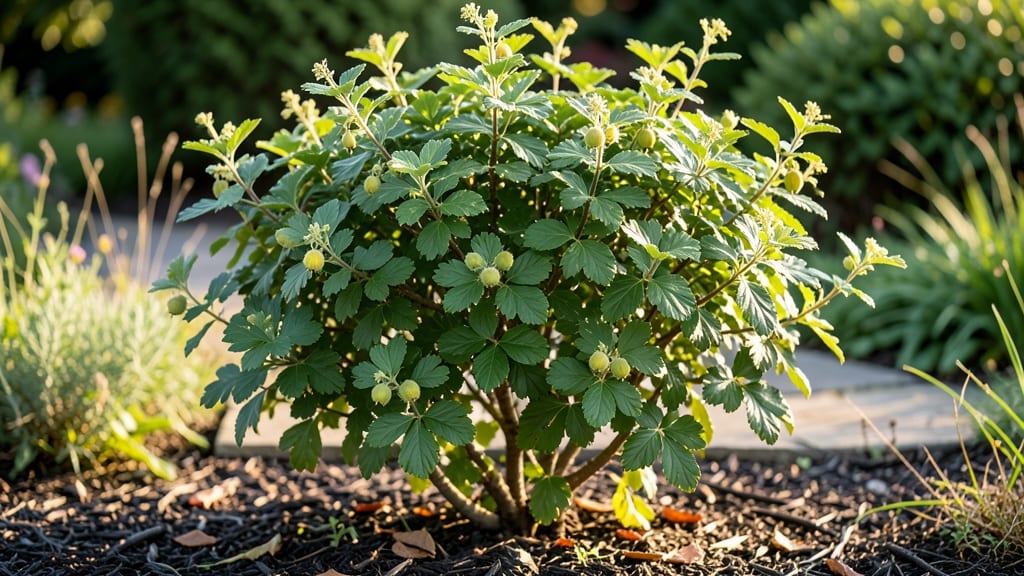
A gooseberry bush size varies dramatically by variety, from 2-foot dwarfs to sprawling 6-foot giants—and picking the right type for your space can save you from pruning headaches down the road.
Struggling to find the perfect spot for your gooseberry bushes? The right size and spacing can mean the difference between a thriving harvest and a tangled mess—here’s what you need to know about variety-specific growth patterns.
Most standard varieties like 'Invicta' reach 4–6 feet tall with a 4–5-foot spread, while dwarf types like 'Pixwell' stay compact at just 2–3 feet. That means your garden layout could go from a single bush in a corner to a full hedge, depending on your goals.
Below, I’ll break down how to choose the right size for your space, how pruning keeps them in check, and the spacing tricks that prevent disease while maximizing berry production.

Gooseberry bush size by variety: heights and spread explained
Choosing the right gooseberry variety can transform your garden layout. Standard bushes like 'Invicta' reach 5–7 feet tall with 4–5 feet spread, while dwarf types like 'Pixwell' stay compact at 3–4 feet tall and 2–3 feet wide.
Understanding these dimensions helps you plan spacing, trellising, and even hedge designs for your yard.
Gooseberry bushes grow in distinct shapes—some sprawl outward, others grow upright. 'Leveller', for example, has a rounded, bushy habit perfect for hedges, while 'Hinnonmäki Red' stays upright and columnar, ideal for tight spaces. These growth patterns directly impact how you'll prune and train your plants.
Here’s a quick reference for mature size expectations by variety, including dwarf options for small gardens:
| Variety | Mature Height | Spread | Growth Habit | Best For |
|---|---|---|---|---|
| 'Invicta' | 5–7 ft | 4–5 ft | Upright, sprawling | Large gardens, hedges |
| 'Pixwell' | 3–4 ft | 2–3 ft | Compact, bushy | Containers, small yards |
| 'Leveller' | 4–5 ft | 3–4 ft | Rounded, dense | Hedges, borders |
| 'Hinnonmäki Red' | 6–7 ft | 3–4 ft | Upright, columnar | Trellises, vertical gardens |
| 'Careless' | 4–5 ft | 3–4 ft | Sprawling, vigorous | Perimeter planting |
If you're working with a small garden, prioritize dwarf varieties like 'Pixwell' or 'Leveller'. These stay under 4 feet tall and fit neatly in 3-foot-wide beds. For large gardens or hedges, 'Invicta' or 'Hinnonmäki Red' offer height and structure while producing abundant fruit.
Growth rates vary by variety, but most gooseberries reach 50% of mature size by their second year. 'Careless', for example, can shoot up 2–3 feet annually if unchecked, while 'Pixwell' grows more slowly. Plan your garden layout with these growth rates in mind to avoid overcrowding.
Pruning plays a huge role in managing size. Regular winter pruning keeps sprawling types like 'Careless' in check, while summer trimming encourages bushier growth in upright varieties. Without pruning, even dwarf types can outgrow their space within 3–4 years.
For container gardening, choose 'Pixwell' or 'Leveller'—their compact size thrives in 15–20 gallon pots. Ensure containers have drainage holes and use a well-draining potting mix to prevent root rot, which can stunt growth and reduce fruit production.
Light conditions also affect size. Gooseberries need 6–8 hours of sunlight daily for optimal growth, but too much direct sun can stress dwarf varieties. If your garden has partial shade, expect slightly slower growth and smaller fruit yields compared to full-sun conditions.
When planting multiple bushes, account for their mature spread. Spacing 'Invicta' bushes 6 feet apart prevents overcrowding, while 'Pixwell' can be planted 3 feet apart in rows. Proper spacing improves airflow, reducing disease risk like powdery mildew, which thrives in dense, humid conditions.
Remember, gooseberry bushes are perennial, meaning they’ll grow year after year. Invest time in selecting the right variety for your space and pruning regularly to maintain the size and shape you desire. With the right planning
Optimal spacing and planting layouts for gooseberry bushes
Gooseberry bushes thrive when given the right space to grow, but many gardeners struggle with proper spacing guidelines. Overcrowding leads to poor air circulation, increasing the risk of fungal diseases like powdery mildew, while too much space wastes garden real estate.
The key is balancing your variety's mature size with your garden layout—whether you're planting in rows, hedges, or single specimens.
Start by testing your soil's drainage—gooseberries hate soggy roots. Amend heavy clay with compost or sand to create loose, fertile soil. A pH between 6.0 and 7.0 is ideal, and adding a layer of organic mulch helps retain moisture while suppressing weeds.
Proper soil prep sets the stage for healthy growth and easier spacing adjustments later.
For standard varieties, space plants 5-6 feet apart in rows to allow airflow and easy harvesting. If you're creating a hedge or privacy screen, plant semi-dwarf varieties 4 feet apart for a dense, manageable barrier.
Dwarf varieties are perfect for containers or small gardens, thriving with just 3 feet of space between plants.
Pruning plays a huge role in managing size. Regular winter pruning keeps bushes compact, while summer trimming encourages bushier growth. Overgrown bushes can be revived by cutting back one-third of the oldest canes annually. This not only controls size but also boosts fruit production by redirecting energy to new growth.
When planting in rows or hedges, orient bushes so their branches face outward. This maximizes sunlight exposure and makes harvesting easier. For single plants, place them near a fence or trellis to support sprawling varieties. Always leave extra space for pruning tools—you’ll need room to maneuver safely.
Remember, overcrowding stresses plants, making them vulnerable to pests and diseases. If your garden is small, prioritize dwarf or semi-dwarf varieties and consider vertical training with trellises. With the right spacing and care, your gooseberry bushes will reward you with bountiful harvests for years to come. 🫐