
How To
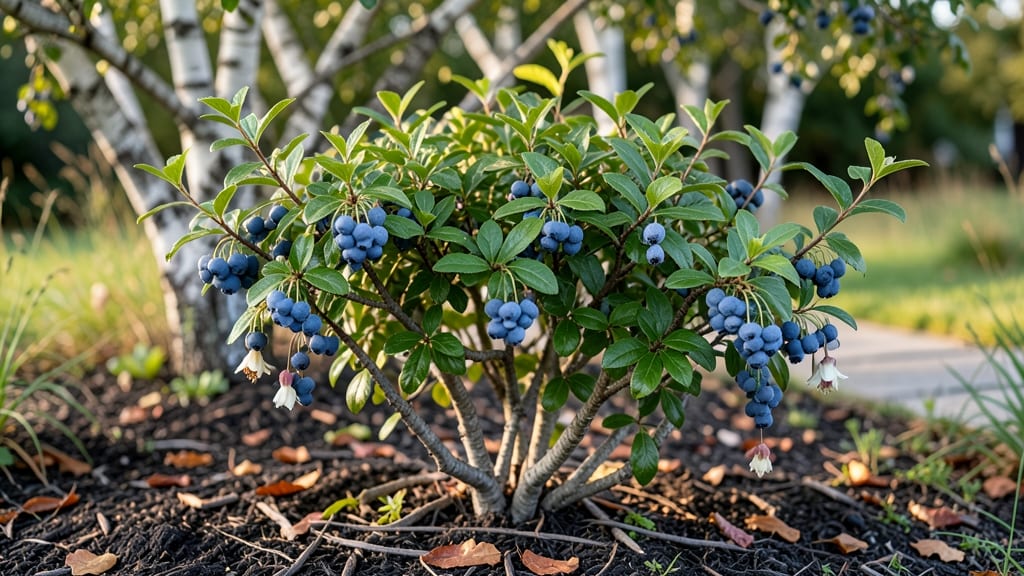
Blueberry bushes grow to how tall do blueberry bushes grow heights between 3 and 12 feet at maturity, depending on the variety you choose—so picking the right size for your space is the first step to a thriving harvest.
If you're planning a blueberry garden, knowing the exact height of your bushes is crucial for spacing, sunlight exposure, and long-term harvest success—but many gardeners get it wrong.
A 6-foot standard variety might tower over a 2-foot dwarf bush, and planting them too close can mean crowded canes, fewer berries, and harder-to-pick fruit.
Dwarf varieties like 'Top Hat' stay compact at just 1-3 feet, making them perfect for containers or small yards, while standard types like 'Bluecrop' can reach up to 12 feet if left unpruned.
The right spacing—4-6 feet apart for standard bushes, 3 feet for dwarfs—ensures airflow, easier maintenance, and bigger yields.
Below, I’ll break down the exact heights by variety, how to choose the best size for your garden, and simple pruning tips to keep your bushes at their ideal height for years of delicious 🫐 harvests.

Blueberry bush height by variety: exact growth ranges for planning
When planning your blueberry garden, one of the first questions I get is: "How tall do blueberry bushes grow?" The answer isn't one-size-fits-all—it depends entirely on the variety you choose. Some stay compact enough for containers, while others reach small tree height.
Knowing these mature height ranges helps you space plants properly, maximize sunlight exposure, and avoid overcrowding that can reduce fruit production.
Blueberries generally fall into three main categories: lowbush, rabbiteye, and northern highbush. Each has distinct growth habits that affect how you'll design your garden layout. For example, a 6-foot northern highbush needs completely different spacing than a 2-foot dwarf variety.
Let's break down the exact height ranges so you can plan with confidence.
📌 Pro Tip: Always check the specific variety's tag—some "semi-dwarf" types can still reach 5 feet if not pruned properly. I've learned this the hard way when my Bluecrop nearly reached my garage roof!
The northern highbush varieties like Bluecrop and Duke are the most popular for home gardens because they're productive and adaptable. But if you're in a USDA Zone 4 or colder, you'll want cold-hardy varieties that stay under 5 feet—think Jersey or Northblue.
These shorter bushes also make harvesting easier, especially if you have back issues!
For rabbiteye varieties like Climax or Powderblue, you're looking at 6–12 feet of growth. These thrive in warmer climates (Zones 7–9) and need plenty of space.
I planted a Climax near my fence line, and it now towers over my deck—something I didn't anticipate when I bought it as a small shrub!
If you're working with limited space, dwarf varieties are your best friend. Top Hat and Peach Sorbet stay under 3 feet and do beautifully in 5-gallon containers.
I've even seen them grown in window boxes with proper care. Just remember: containers dry out faster, so you'll need to water more frequently.
Another key factor is spreading habit. While height gets all the attention, some varieties like Duke or Bluegold spread 4–6 feet wide at maturity. This means you'll need to space them 6–8 feet apart in all directions to prevent overcrowding.
I learned this lesson when my Bluegold bushes started shading each other out after just 3 years!
For urban gardeners, consider columnar varieties like Pink Lemonade (a dwarf highbush). These grow 3–4 feet tall but stay narrow, making them perfect for tight spaces. You can even train them along a trellis or fence to save even more room. Just ensure they get full sun—blueberries are
How to choose blueberry varieties based on space and climate
Blueberry bushes come in a range of sizes, from compact dwarf varieties perfect for containers to towering standard bushes that need ample garden space. Choosing the right size depends on your garden layout, climate zone, and whether you're growing in containers or in-ground.
For example, a 3-foot dwarf fits urban balconies, while a 10-foot standard thrives in rural landscapes with full sun.
Your local climate also dictates variety selection. Northern highbush varieties like 'Bluecrop' (6-8 ft) handle cold winters, while southern rabbiteye types (8-12 ft) tolerate heat. If you live in USDA Zone 5-6, prioritize cold-hardy dwarf or semi-dwarf bushes to avoid winter damage.
In warmer zones (7-9), larger varieties produce bigger yields but require more space and pruning.
Blueberry Variety Height Comparison
- ✅ Perfect for containers or small gardens
- ✅ Early fruiting (2-3 years)
- ✅ Low maintenance pruning
Examples: 'Top Hat', 'Peach Sorbet'
- ✅ Balances space and yield
- ✅ Works in urban gardens or raised beds
- ✅ Moderate pruning needs
Examples: 'Patriot', 'Chester'
- ✅ Highest fruit production
- ✅ Needs rural space or large yards
- ✅ Requires annual pruning
Examples: 'Bluecrop', 'Duke'
- ⚠️ Use dwarf/semi-dwarf only
- ⚠️ Pots need 10+ gallons per bush
- ⚠️ Drainage holes required
For small urban gardens, dwarf varieties like 'Top Hat' (2-3 ft) are ideal—they fit 15-gallon containers and produce 1-2 pints of berries annually. Place them near south-facing windows or on balconies with 6+ hours of sun.
In rural settings, standard bushes like 'Duke' (10-12 ft) thrive with 8-10 feet of spacing between plants for airflow and sunlight.
Climate also affects pollination needs. In cooler zones, plant two varieties (e.g., 'Bluecrop' + 'Jersey') to ensure cross-pollination. In warmer zones, single varieties like 'Climax' (rabbiteye) self-pollinate but need full sun and heat tolerance. Always check your USDA zone and local nursery recommendations before selecting.
If you're using containers, remember that even dwarf bushes need deep pots (24+ inches) and acidic potting mix. Avoid placing them in shady corners—blueberries require full sun to ripen fruit.
For in-ground planting, amend soil with peat moss or sulfur to maintain pH 4.5-5.5, a critical factor for growth.
Pro tip: Sketch your garden layout before planting. Standard bushes need 10 feet of clearance from fences or structures, while dwarf varieties can be spaced 3-4 feet apart. This prevents overcrowding and makes harvesting and pruning easier as the bushes mature. 🫐