
How To
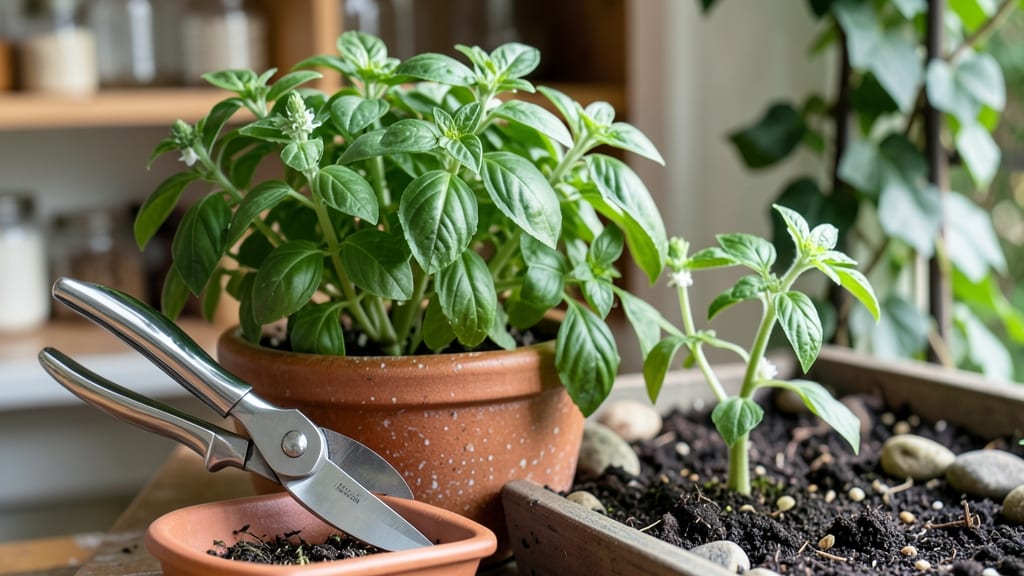
To make basil bushy, start pinching off the top sets of leaves when the plant reaches 6 inches tall—it’s the secret to nonstop growth. 🌿 I’ve turned leggy basil into dense, fragrant bushes just by encouraging the plant to branch out instead of stretching upward.
The first pinch might feel brutal, but trust the process: within 2 weeks, you’ll see new side shoots bursting with energy.
This method works because basil grows best when it focuses on width, not height. Use clean scissors or fingers to snip just above a leaf node (where leaves meet the stem), and repeat every 2-3 weeks throughout the growing season.
Keep plants in full sun (6+ hours daily) and water at the soil level—never overhead—to prevent fungal issues that stunt growth.
You’ll end up with a basil plant that’s thriving, not just surviving—thick enough to share with neighbors and harvest for months. The leaves stay tender, the flavor intensifies, and you’ll never again buy sad supermarket basil that’s already flowering.
Even if you’ve killed basil before, this technique is foolproof for beginners.
For advanced gardeners, try harvesting leaves from the bottom to encourage upward growth while maintaining bushiness. And if your basil bolts (sends up a flower stalk), snip it immediately—bolting means bitter leaves and the end of your lush harvest.
With this method, your basil will stay productive until first frost.
📚 In This Guide
- What you need
- Instructions
- Tips and common mistakes
- Wrapping up and next steps
What you need
- ● Basil plant: A healthy Genovese, Thai, or Purple basil (start with 1-2 plants for best results).
- ● Pruning shears or clean scissors: Sharp, sterilized tools (rubbing alcohol works for disinfection).
- ● Well-draining potting mix or garden soil: Basil thrives in loose, fertile soil (pH 6.0-7.0).
- ● Watering can or hose with a gentle spray nozzle: Avoid soggy roots—water at the base, not the leaves.
- ● Sunlight access: A sunny spot with 6+ hours of direct light daily (south-facing window or outdoor space).
- ● Fertilizer: Balanced liquid fertilizer (10-10-10) or compost tea—dilute to half-strength to avoid burning roots.
- ● Garden gloves: Protect your hands from thorns (especially with Thai basil).
- ● Container with drainage holes: If repotting, choose a pot 1-2 inches larger than the current one.
- ● Plant food or fish emulsion: Organic boost for faster regrowth after pruning.
Step-by-Step instructions for encouraging bushy basil growth
Here's the method I rely on to transform leggy basil into lush, productive bushes—tested across seasons and climates.
🌱 Step 1: Identify Key Growth Points for Pinching
Basil grows bushier when you encourage lateral branching, which starts at the leaf nodes where stems meet leaves. Look for the top set of true leaves—these are your pinching targets. The first true leaves appear after the initial seed leaves (cotyledons) and are usually larger and more defined.
Use clean, sharp scissors or fingers to pinch off the top set of leaves just above a leaf node. This signals the plant to redirect energy toward side shoots rather than vertical growth. I like to do this in the morning when the plant is hydrated and ready to bounce back quickly.
🌿 Step 2: Pinch Regularly to Encourage Branching
After the first pinch, wait until you see 2-3 inches of new growth from the side shoots before pinching again. This creates a cycle of controlled growth where the plant stays compact and produces more leaves. I pinch every 2-3 weeks during the growing season to maintain that bushy shape.
Don't pinch too close to the base—always leave at least 4-6 inches of stem below your cut. This prevents stressing the plant and ensures it has enough energy to recover and produce new branches. If you see yellowing leaves after pinching, it's a sign you've gone too far.
☀️ Step 3: Optimize Light and Water for Recovery
After pinching, move your basil to a location with 6+ hours of bright, indirect light daily. A south-facing window works well, but if you notice the stems stretching toward the light, it's a sign you need to supplement with a grow light. Basil thrives in 70-75°F temperatures, so avoid placing it near drafts or heating vents.
Water the plant deeply after pinching to help it recover. Stick your finger 1 inch into the soil—if it feels dry, water until it drains from the bottom of the pot. Overwatering is just as bad as underwatering, so let the top inch dry out between waterings. You'll see new growth within 5-7 days if conditions are right.
✂️ Step 4: Prune for Shape and Harvest Strategically
Once your basil has multiple branches, prune to maintain shape by cutting back any leggy stems to a leaf node. This keeps the plant balanced and encourages even growth. I also prune the bottom leaves that touch the soil to prevent disease and improve airflow.
Harvest leaves regularly to encourage bushiness—always cut just above a leaf node. This stimulates the plant to produce more leaves and keeps it from flowering too early, which reduces flavor. If you see flower buds forming, pinch them off immediately to redirect energy back into leaf production.
⏰ Step 5: Monitor and Adjust for Seasonal Changes
In late summer, basil may slow down as temperatures rise. Move it to a cooler spot if it's struggling, and reduce watering slightly. If you're growing in a container, consider transplanting to a larger pot with 1-2 inches more depth to accommodate new roots.
Watch for pests like aphids or spider mites after pruning—these love tender new growth. Spray with a mixture of water and mild soap if you spot any, and repeat every 3-4 days until they're gone. A healthy, well-pruned basil plant will bounce back quickly and keep producing lush, flavorful leaves all season.
Tips & tricks for encouraging bushy basil growth
Took me a while to figure these out, so here goes—these simple tricks will transform your leggy basil into a thriving, leafy powerhouse.
Timing Secret: The morning after watering is the best time for pinching. Basil is fully hydrated and ready to bounce back from the stress of pruning. I've noticed that pinching in the morning also gives the plant the entire day to recover before nightfall, which is when most growth actually happens.
Technique Tip: When pinching in Step 1, look for the point where the stem meets the leaf—this is your leaf node. Cut just above it, leaving a small stub. This precise cut prevents the plant from bleeding sap excessively and ensures new branches will sprout from that exact spot. I've ruined several plants by cutting too close to the base, so don't make my mistake!
Light Optimization: If you're using artificial light, position your grow light about 6-12 inches above the plant. Basil needs bright but indirect light—too close and you'll burn the leaves, too far and the growth will stretch. I rotate my plants every few days to ensure even exposure on all sides, which prevents lopsided growth.
Pruning Strategy: In Step 4, when maintaining shape, focus on removing the largest leaves first. These are the ones that use the most energy. By pruning them, you're forcing the plant to redirect that energy toward producing smaller, more numerous leaves. This is how I've kept my basil producing for months instead of bolting after just a few weeks.
Pro Tips for Make Basil Bushy
- Took me a while to figure these out, so here goes—these simple tricks will transform your leggy basil into a thriving, leafy powerhouse.
- Timing Secret: The morning after watering is the best time for pinching.
- Technique Tip: When pinching in Step 1, look for the point where the stem meets the leaf—this is your leaf node.
Frequently asked questions
Got questions about keeping your basil lush and thriving? You’re not alone! Here are answers to the most common queries about growing bushy basil—from pruning basics to troubleshooting tricks.
How often should I pinch basil to keep it bushy?
Pinch basil every 4–6 weeks (or when you spot 6–8 true leaves) to encourage branching. For container-grown basil, you can pinch more frequently—every 2–3 weeks—since they grow faster. Consistency is key: regular pruning = more leaves and a fuller plant!
When is the best time of day to prune basil?
Prune basil in the morning (after dew dries but before peak sun). This gives the plant time to recover and reduces stress. Avoid pruning in the evening—moisture can linger on cuts, inviting fungal issues. Pro tip: Use clean, sharp scissors to prevent tearing stems!
What if my basil keeps growing tall and leggy instead of bushy?
Leggy basil usually means it’s not getting enough light. Move it to a sunny spot (6+ hours of direct light daily) and pinch the top growth to redirect energy to side branches. If indoors, supplement with a grow light. Yellow leaves? It might also need more water or less fertilizer.
Can I use basil cuttings from the grocery store to grow a bushy plant?
Yes! Grocery basil often roots easily. How: Trim stems (4–6 inches), remove lower leaves, and place in water until roots form (1–2 weeks). Transplant to soil once rooted, then pinch the top to encourage bushiness. Note: Store-bought basil may be treated with growth inhibitors—rinse stems before rooting for better results!
Why does my basil turn yellow after pruning?
Yellow leaves after pruning are usually normal—your plant is redirecting energy to new growth. However, if many leaves yellow or wilt, check for:
- Overwatering (let soil dry slightly between waterings)
- Underwatering (basil wilts fast when thirsty!)
- Pests (inspect undersides of leaves for aphids or spider mites)
Wrapping up and next steps
Growing a lush, bushy basil plant is totally within your reach—just remember: pruning is the secret weapon! 🌿 With consistent pinching, proper sunlight, and a little TLC, you’ll enjoy a thriving herb garden that keeps giving.
Now that you’re armed with the know-how, roll up your sleeves and get growing!
Your next step? Start with just one plant—whether it’s a potted basil on your windowsill or a few seedlings in your garden. Track your progress, and soon you’ll be harvesting bountiful leaves for endless pesto, salads, and savory dishes. Happy gardening! 🌱