
How To
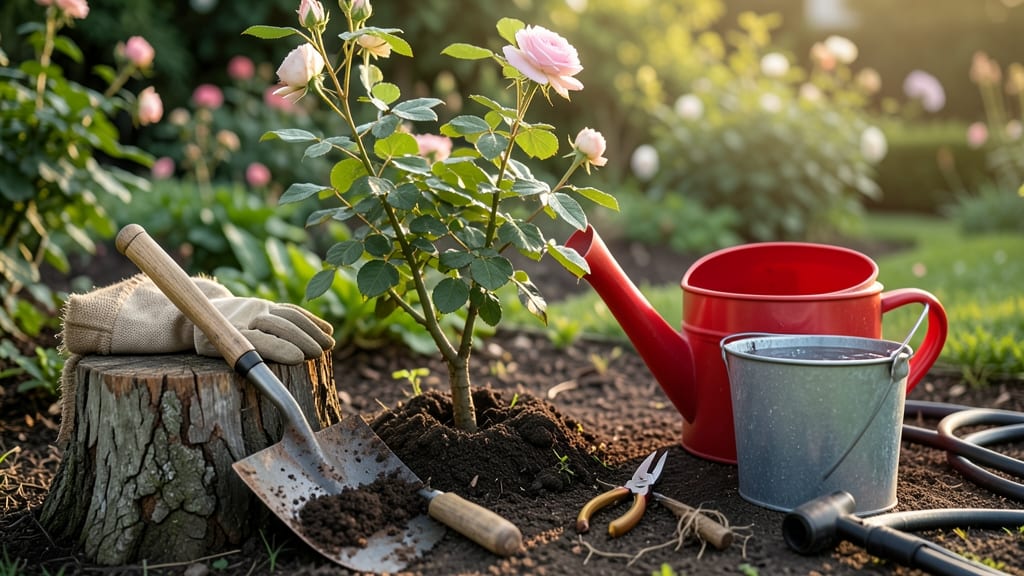
Transplanting rose bushes in August works—but only if you time it right and protect them from heat stress. 🌿 I’ve moved roses late in the season before, and the key is working during cooler hours and keeping roots moist while they adjust.
Most gardeners avoid August, but with the right prep, your roses can establish strong roots before winter.
Start by choosing a cloudy day or watering deeply the night before to reduce shock. Dig a hole twice as wide as the root ball but no deeper, then amend the soil with compost to help roots spread.
After transplanting, mulch heavily and water thoroughly—roses need consistent moisture to recover from the move.
📚 In This Guide
- What you need
- Instructions
- Tips and common mistakes
- Wrapping up and next steps
What you need
- ● Garden gloves: A sturdy pair (2) to protect your hands from thorns and soil.
- ● Sharp shovel or spade: One with a wide, flat blade (18–24 inches) for digging trenches and lifting roots.
- ● Pruning shears or loppers: Bypass pruners (sterilized) for trimming damaged or long canes.
- ● Watering can or hose with a gentle nozzle: A 5-gallon capacity for deep watering (or a soaker hose for efficiency).
- ● Compost or well-aged manure: 5–10 gallons (mixed with native soil) to enrich the new planting hole.
- ○ Mulch (optional but recommended): 2–3 inches of shredded bark or straw to retain moisture and regulate soil temperature.
- ● Staking materials (if needed): 3–4 bamboo stakes (4–6 feet tall) + soft ties for support (especially for tall or leggy roses).
- ○ Root stimulator (optional but helpful): A biological or synthetic product (e.g., Mycorrhizal fungi or liquid rooting hormone) to boost survival rates.
- ● Choose a transplant day: Pick a cloudy or early morning to avoid stressing the roses with midday heat.
- ● Test your soil: Aim for a slightly acidic to neutral pH (6.0–7.0). Adjust with lime or sulfur if needed.
- ● Prep the new location: Ensure it gets 6+ hours of sunlight and has well-draining soil (amend clay soil with sand or perlite).
- ● Water the roses 1–2 days before transplanting: This helps reduce shock by keeping roots hydrated.
Step-by-step instructions for transplanting rose bushes in August
August moves fast—here’s how to give your roses the best shot at thriving through winter.
🪴 Step 1: Choose the Right Time and Prepare the New Location
Late August is tricky because roses need time to establish roots before frost. Pick a spot with 6+ hours of sunlight and well-draining soil—roses hate soggy roots. I dig a hole twice as wide as the root ball but only as deep as the container or root system. This prevents burying the graft union (the swollen bump near the base) too deep.
Water the new hole thoroughly before planting. You’ll know it’s ready when water drains freely after 15-20 minutes. If the soil stays puddled, amend with a mix of compost and sand to improve drainage. I always test drainage first—no amount of care will save a rose drowning in its own pot.
✂️ Step 2: Prune and Prepare the Rose Bush for Transplanting
Trim back the bush by one-third to reduce stress. Focus on cutting back long, leggy stems and any dead or diseased branches. Use clean, sharp pruners to make 45-degree cuts just above an outward-facing bud. This encourages bushier growth and prevents water from pooling at the cuts.
Remove the rose from its current pot and gently loosen the root ball with your fingers. If roots are circling tightly, make 2-3 vertical cuts around the perimeter to encourage outward growth. Water the roots lightly right before planting—this helps them stay flexible and reduces transplant shock.
💧 Step 3: Plant and Water Deeply for Root Establishment
Place the rose in the hole so the graft union sits 2-3 inches above soil level. Fill the hole halfway with soil, then water deeply to settle it. This prevents air pockets that can strangle roots. I tap the soil gently with my fingers to encourage it to fill gaps naturally.
Finish filling the hole and mound soil slightly higher than the surrounding ground. This creates a basin to catch water during irrigation. Water again until the soil is deeply moist but not waterlogged. A good rule of thumb: if water pools on the surface after 30 minutes, you’ve overdone it.
☀️ Step 4: Mulch and Protect for Late-Summer Recovery
Spread 2-3 inches of organic mulch around the base, keeping it 6 inches away from the stem to prevent rot. I use shredded bark or straw because they break down slowly and improve soil as they do. Mulch helps retain moisture and regulates soil temperature—critical in August’s heat.
Water deeply once a week unless rain provides 1 inch of moisture. You’ll know it’s enough when water drains to 6 inches deep. Avoid overhead watering after transplanting—it spreads disease. Instead, water at the base in the morning to let foliage dry quickly.
⏰ Step 5: Monitor and Prepare for Winter
Watch for new growth in 4-6 weeks—that’s your sign the roots are taking hold. If leaves yellow, it’s usually overwatering or poor drainage. I adjust by watering less frequently and checking soil moisture with my finger before adding more.
By late September, reduce watering to every 2 weeks to harden off the roots. Apply a 2-inch layer of mulch in fall to insulate roots through winter. Prune again in early spring to shape the bush and remove any winter-damaged wood.
Tips & tricks for transplanting rose bushes in August
Late-summer rose transplanting demands precision—here’s how to avoid common pitfalls and give your bushes the best chance to thrive.
Soil Prep Secret: Before digging that hole, test your soil’s drainage by filling it with water and timing how long it takes to drain. If it still holds water after 30 minutes, you need to amend with compost and sand—this isn’t optional. I’ve seen roses fail from soggy soil even when everything else was perfect. The goal is a sponge-like texture that holds moisture but drains freely.
Pruning Precision: When you trim back that one-third of the bush, focus on the 45-degree cuts just above outward-facing buds. This isn’t just about reducing stress—it’s about directing energy where you want it. I always check the bud direction first; cutting above an inward-facing bud means that new growth will tangle with the center of the plant. Think of it like training a puppy—you’re shaping the future shape of your rose.
Root Ball Rescue: If you find those roots circling tightly, don’t just yank them apart. Make 2-3 vertical cuts around the perimeter with a clean knife—this encourages outward growth instead of creating a tangled mess. I’ve seen gardeners skip this step and end up with roses that look like they’re strangling themselves. Lightly watering the roots before planting also helps them stay flexible and reduces shock.
Mulching Magic: That 2-3 inches of organic mulch isn’t just decoration—it’s insulation and moisture control in one. Keep it 6 inches away from the stem to prevent rot, and use materials like shredded bark or straw that break down slowly. In August’s heat, mulch can mean the difference between a thriving bush and one struggling to survive. I always add a fresh layer after transplanting to lock in moisture and regulate temperature.
Pro Tips for Transplant Rose Bushes In August
- Late-summer rose transplanting demands precision—here’s how to avoid common pitfalls and give your bushes the best chance to thrive.
- Soil Prep Secret: Before digging that hole, test your soil’s drainage by filling it with water and timing how long it takes to drain.
- Pruning Precision: When you trim back that one-third of the bush, focus on the 45-degree cuts just above outward-facing buds.
Frequently asked questions
about transplanting rose bushes in August—because late-summer moves can feel tricky! Here’s what you need to know before digging in.Is August really the best time to transplant roses?
August can work if you’re in a mild climate (zones 7-10) with warm soil and no frost. In hotter areas, opt for early August to avoid heat stress. For cooler regions, wait until late summer or early fall (September) when temperatures drop. Roses need time to establish roots before winter!
How do I keep my transplanted roses alive in the heat?
Water deeply every 2–3 days (morning is best) and mulch heavily (3–4 inches) to retain moisture. Avoid overhead watering—use drip irrigation or soaker hoses. A shade cloth (30–50%) can protect young plants from scorching sun for the first 2 weeks.
Can I transplant roses in containers instead of the ground?
Containers give you more control over soil and drainage. Use a well-draining potting mix (add perlite or sand) and a pot at least 18 inches deep. Move containers to partial shade during peak heat and water when the top inch of soil feels dry.
What if my rose leaves turn yellow or wilt after transplanting?
Yellow leaves often mean overwatering or poor drainage. Wilt can signal heat stress or root shock. Trim damaged leaves, reduce watering slightly, and ensure the soil isn’t soggy. A balanced fertilizer (10-10-10) 4–6 weeks post-transplant can also help revive growth.
Should I prune my roses before or after transplanting?
Lightly prune dead or diseased branches before transplanting, but avoid heavy pruning—it stresses the plant. After moving, wait 4–6 weeks to prune for shape. Focus on root health first, then aesthetics. Save major cuts for early spring!
Wrapping up and next steps
Transplanting rose bushes in August might seem tricky, but with the right prep—like choosing the perfect spot, timing your move just right, and giving your plants extra love—your roses can thrive! 🌿 The key is patience and care, ensuring they’re well-watered, shaded, and supported as they settle into their new home.
Now that you’re armed with these tips, go ahead and give your roses the fresh start they deserve! Next, monitor their progress over the next few weeks, adjusting watering as needed and keeping an eye out for new growth.
Soon, you’ll be rewarded with blooms that’ll make your garden the talk of the neighborhood! 🌸