
Pruning
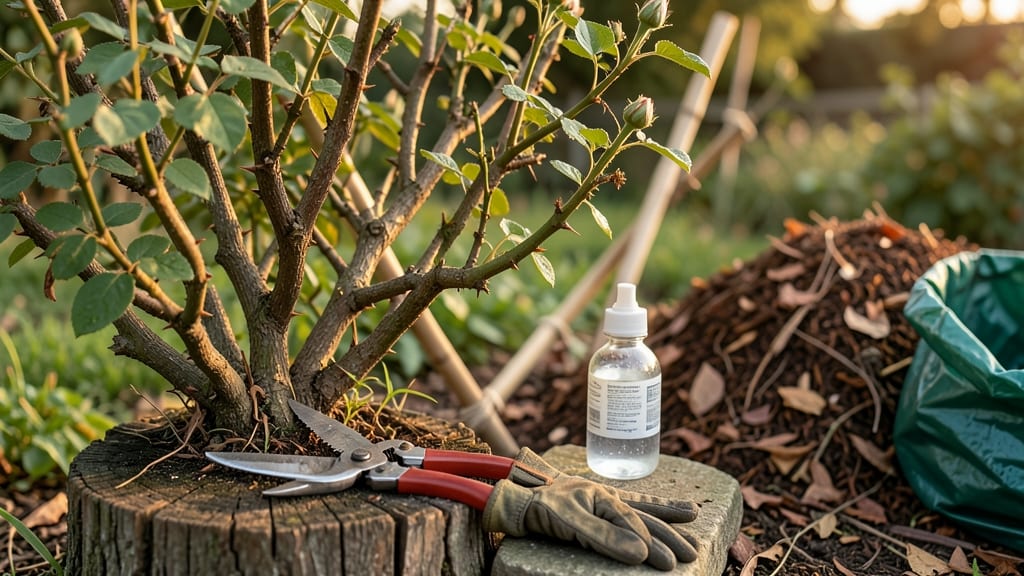
Trimming overgrown rose bushes transforms tangled messes into lush, blooming showstoppers. ✂️ I’ve spent years watching roses go from wild tangles to vibrant, healthy plants—it’s all about timing, technique, and a sharp eye.
The difference between a pruned bush and one left to sprawl is like night and day: more flowers, stronger growth, and fewer pests. The secret isn’t brute force—it’s strategic cuts. You’ll focus on removing dead wood, shaping for airflow, and encouraging new growth.
I’ll walk you through when to prune (spring or late winter for most roses), which tools to use (clean, sharp pruners are non-negotiable), and how to make cuts that heal properly. One wrong snip can set you back months, but the right approach turns pruning day into a confidence booster.
By the end, your roses will reward you with bold, healthy blooms and a shape that makes your garden the envy of the neighborhood. You’ll also learn how to spot common mistakes—like cutting too late in the season or leaving stubs—that keep roses from thriving.
Let’s get those bushes back in shape!
Before you even touch a branch, gather your tools: bypass pruners, rubbing alcohol (for disinfecting cuts), and a small saw for thick stems. I swear by keeping my tools clean—dirty blades spread disease faster than you’d think. You’ll also want gloves (roses have thorns!) and a bucket for clippings.
The goal is to work efficiently, so organize everything in one spot to avoid frustration mid-prune. Start by removing dead, diseased, or crossing branches—these compete for energy and block airflow.
Next, cut back last year’s growth by about one-third, always making cuts at a 45-degree angle just above an outward-facing bud. This encourages growth away from the center, keeping the bush open and airy.
For hybrid teas, aim for a balanced vase shape; for shrub roses, let them grow fuller. Every cut should feel intentional, not random.
After pruning, don’t just walk away—give your roses a little TLC. Water deeply to help them recover, and apply a balanced fertilizer to fuel new growth. I’ve found that mulching around the base retains moisture and keeps roots cool.
Watch for new shoots in 2-4 weeks; if they’re sparse, you might need to adjust your pruning approach next time. The key is consistency—roses thrive when you prune them every year at the same time, so mark your calendar now.
This method works for all rose types, from climbers to shrubs, and adapts to your climate. Whether you’re tackling a single bush or a whole garden, the principles stay the same. With each cut, you’re not just trimming—you’re shaping the future of your roses. Ready to see that transformation?
📚 In This Guide
- What you need
- Instructions
- Tips and common mistakes
- Wrapping up and next steps
What you need
- ● Pruning shears: Bypass pruners (sharp, 5-8" blades) for clean cuts on small stems. Quantity: 1 pair.
- ● Loppers: Long-handled (18-24") for thicker branches (½"–1.5" diameter). Quantity: 1 pair.
- ○ Pruning saw: For stubborn, thick branches (1.5"+ diameter). Quantity: 1 (optional but helpful).
- ● Gloves: Heavy-duty, cut-resistant gloves (e.g., leather or synthetic mesh) to protect from thorns and debris. Quantity: 1 pair.
- ● Disinfectant: 70% isopropyl alcohol or a 10% bleach solution to sterilize tools between cuts (prevents disease spread). Quantity: Small bottle or spray.
- ● Rake or broom: To clear fallen leaves/debris after pruning. Quantity: 1.
- ● Garden twine or zip ties: For temporary support if branches are heavy post-pruning. Quantity: Small roll.
- ○ Pruning sealant: (Optional) For large cuts on older roses to prevent disease (e.g., tree wound paint). Quantity: Small tube.
- ● Ladder or stool: If bushes are tall (6'+). Quantity: 1 (ensure stability!).
- ● Trash bags: For disposing of pruned branches. Quantity: 2-3.
- ● Check the weather forecast—prune on a dry, calm day to avoid slipping or spreading disease.
- ● Wear long sleeves/pants and closed-toe shoes to protect from thorns and scratches.
- ● Have a first-aid kit handy for minor cuts or scrapes.
Step-by-Step guide to trimming overgrown rose bushes
Here's how I bring roses back to health—season by season—with cuts that encourage strong growth and stunning blooms.
✂️ Step 1: Time Your Cuts for Maximum Impact
Spring is the prime time to trim roses, ideally after the last frost when new growth begins but before buds swell. I wait until mid-March to early April in my zone, when days warm to 50-60°F consistently. For summer-pruning hybrid teas or floribundas, cut back one-third of the oldest canes after they finish blooming to encourage a second flush.
Never trim in fall—you risk winter damage. If you missed spring, light pruning to remove dead wood in early summer still helps. Just avoid heavy cuts, which stress plants before dormancy. Watch for swollen buds along canes; these signal it's time to stop cutting.
🌿 Step 2: Remove Dead, Diseased, or Crossing Canes First
Start by stripping away anything that's brown, mushy, or hollow—these are dead canes. I use sterilized pruners (wipe blades with rubbing alcohol between cuts) to prevent spreading disease. Next, look for canes rubbing together or growing inward; these crossings create wounds where pests hide. Cut these out at the base with a single, clean slice.
Don't worry about leaving stubs—roses heal better when you cut just above an outward-facing bud. The bud should be within 1/4 inch of the cut and angled slightly away from the center of the bush. You'll know you're on the right track when the bush opens up to let sunlight reach the center.
✂️ Step 3: Shape the Bush for Airflow and Light
Step back and visualize the bush as an open vase shape—wider at the base, narrower at the top. I aim to reduce the plant by 25-30% total, focusing on cutting back the oldest canes first. For each remaining cane, leave 3-5 strong buds near the base; these will produce next year's blooms.
Make cuts at a 45-degree angle, about 1/4 inch above the bud. This prevents water from pooling on the cut, which can rot the stem. Avoid leaving stubs longer than 1/2 inch—they don't heal well and invite disease. You'll see new shoots emerging from the buds within 2-3 weeks if conditions are right.
☀️ Step 4: Clean Up and Encourage New Growth
After trimming, rake up all debris and dispose of it in the trash—not the compost—since diseased material can reinfect the bush. I apply a balanced rose fertilizer (10-10-10) right after pruning to feed the new growth. Water deeply at the base, keeping the soil 2-3 inches moist but never soggy.
Watch for new shoots emerging from the buds you left behind. These will be tender at first, so I protect them with a light layer of mulch to retain moisture. Avoid heavy pruning again until next spring—let the bush focus on rebuilding its energy for next year's blooms.
Tips & tricks for perfect rose bush trimming
Real talk: Even experienced gardeners sometimes overthink rose pruning. These simple tricks will help you trim with confidence and get that perfect vase shape every time.
Timing is Everything: I can't stress this enough—spring is your golden window (mid-March to early April) when days hit 50-60°F consistently. That's when roses wake up from dormancy but haven't started blooming yet. If you're in a warmer zone, watch for those first swollen buds along the canes—they're your cue to stop cutting. I've missed this timing before and ended up with fewer blooms that season.
The 25-30% Rule: When shaping your bush (Step 3), aim to remove about one-quarter to one-third of the plant's total volume. This might sound vague, but trust me—it's easier to visualize than measuring. Focus on the oldest canes first (3-5 years old) since they've given their best blooms. You'll know you're on track when you can see sunlight reaching the center of the bush without cutting through everything.
Cutting Technique That Actually Works: That 45-degree angle above the outward-facing bud isn't just decoration—it's about water runoff. When you make the cut, imagine slicing the top off a pyramid. The angle keeps water from pooling on the cut, which prevents rot. And remember: 1/4 inch above the bud is perfect. If you leave more than 1/2 inch, you're asking for trouble with slow healing and disease entry points.
Post-Prune Care Makes All the Difference: After you've finished cutting, don't just walk away! Rake up all debris and toss it in the trash (not compost)—diseased material will reinfect your roses. Then apply that 10-10-10 fertilizer right away. The roots are hungry after all that cutting, and they'll need nutrients to support new growth. Keep that soil 2-3 inches moist but never soggy, and you'll see those new shoots popping within 2-3 weeks.
Pro Tips for Trim Overgrown Rose Bushes
- Real talk: Even experienced gardeners sometimes overthink rose pruning.
- Timing is Everything: I can't stress this enough—spring is your golden window (mid-March to early April) when days hit 50-60°F consistently.
- The 25-30% Rule: When shaping your bush (Step 3), aim to remove about one-quarter to one-third of the plant's total volume.
Frequently asked questions
Got questions about trimming your overgrown roses? You’re not alone! Here are answers to the most common concerns—so you can prune with confidence and keep those blooms thriving.
When is the best time to trim overgrown rose bushes?
For most roses, late winter or early spring (just before new growth starts) is ideal. However, repeat-blooming roses (like hybrid teas) can be pruned lightly after their first flush of flowers in summer. Avoid heavy pruning in fall—it can stimulate tender new growth that won’t survive winter.
How much can I cut back my rose bush?
For severely overgrown bushes, aim to reduce them by ⅓ to ⅕ of their height. Look for outward-facing canes (they encourage airflow) and cut just above an outward-facing bud. Avoid "topping" (cutting flat across)—this creates weak growth. Pro tip: If your bush is woody and leggy, you can trim even harder to rejuvenate it!
What if I accidentally cut too much off?
Don’t panic! If you’ve over-pruned, your rose bush will likely bounce back—just give it time. Focus on watering deeply and fertilizing lightly to support regrowth. If you’ve removed too many canes, new shoots will sprout from the base. For next time, mark your cuts with a piece of tape to avoid over-trimming.
Can I trim roses in summer without hurting them?
Yes! Light trimming to remove dead, diseased, or crossing branches is safe in summer. Avoid heavy pruning—it stresses the plant and reduces fall blooms. If you’re dealing with black spot fungus, remove infected leaves and canes immediately to prevent spread. Always sterilize your pruners with rubbing alcohol between cuts.
What do I do with all the pruned branches?
Don’t toss them! Use pruned branches for compost, mulch, or even homemade trellises. If you spot signs of disease (like black spots), bag and dispose of them in yard waste to prevent spreading. For healthy branches, chop them up and add them to your compost pile—they’ll break down into nutrient-rich soil.
Wrapping up and next steps
Trimming overgrown rose bushes might seem daunting, but with the right tools, timing, and technique, you’ll transform tangled thickets into vibrant, healthy bloomers 🌹. Remember: prune for shape, airflow, and future growth, and always reward your efforts with a well-timed aftercare routine.
Now that you’re armed with seasonal know-how, grab those shears and get pruning—your roses (and future bouquets!) will thank you.
💡 Next step: Schedule your first trim this season and watch your roses thrive like never before!