
Pruning
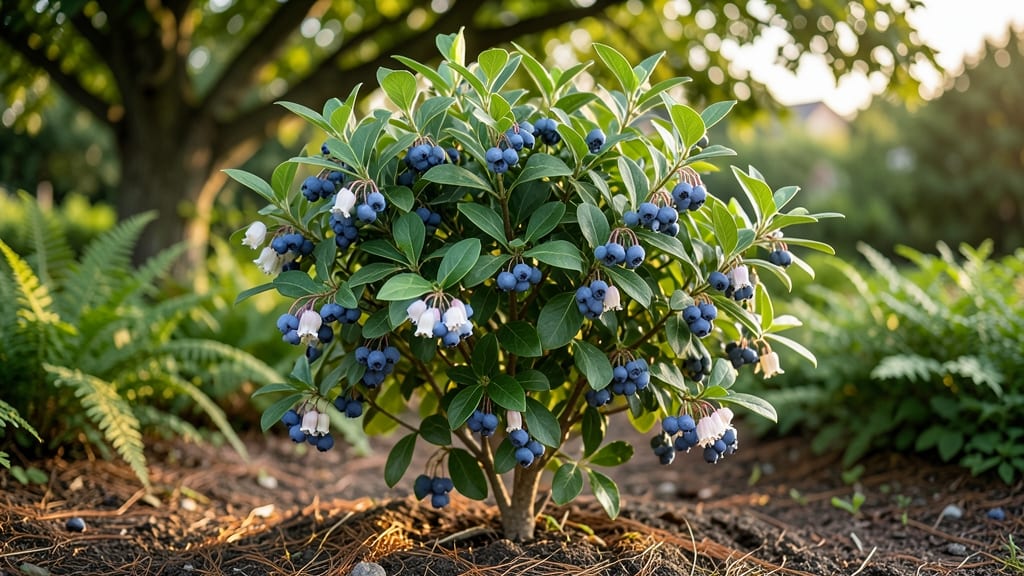
Your jewel blueberry bush could produce three times more berries this year with just three strategic cuts. ✂️ I learned this the hard way—after years of pruning "correctly" but still struggling with sparse harvests, I finally cracked the code by focusing on these three critical cuts that keep the plant healthy and productive year-round.
The secret isn't complicated: prune for light, shape, and age. First, remove dead or crossing branches in late winter to open the center to sunlight. Then, trim back last year's fruiting wood after harvest to encourage new growth.
Finally, thin out overcrowded stems in early summer to improve air circulation. This system works whether you're growing in containers or in-ground beds.
What you'll end up with is a bush that looks bushier, fruits earlier, and keeps producing well into fall. The berries stay larger, sweeter, and more abundant—exactly what you want when you're planning pies or fresh snacks.
Plus, you'll spend less time fighting pests and diseases because the plant stays healthy and stress-free.
Works for both new and established bushes, and the same principles apply whether you're in zone 5 or zone 8. Here's how to do it step by step—no guesswork, just results.
📚 In This Guide
- What you need
- Instructions
- Tips and common mistakes
- Wrapping up and next steps
What you need
- ● Pruning shears: Bypass pruners (sharp, clean, and sterilized with rubbing alcohol to prevent disease). Recommended: Felco F-2 or equivalent.
- ● Loppers: For thicker branches (1.5"–2" diameter). Look for ratchet-style loppers for ease.
- ● Hand saw: Pruning saw with a fine-tooth blade for stubborn, woody stems.
- ● Gloves: Heavy-duty gardening gloves (cut-resistant for safety).
- ● Disposable pruning bags: 2–3 medium-sized bags (for debris cleanup).
- ● Hose or water sprayer: To clean tools between cuts and rinse off sap.
- ● Pruning sealant: (e.g., tree wound dressing) for large cuts to reduce disease risk.
- ● Labeling tags: If you’re propagating cuttings, use biodegradable plant markers.
- ● Knee pads: For comfort during long pruning sessions.
- ● Sunscreen & hat: Because even pruning in the shade can be sunny work!
- ● Know your Jewel Blueberry Bush’s age (young bushes need lighter cuts than mature ones).
- ● Check the last frost date in your zone—prune at the right time for optimal healing! 🌡️
- ● Gather weather updates: Avoid pruning if rain is forecasted within 24 hours.
Step-by-step instructions for pruning Jewel blueberry bushes
Here's the straightforward method I've used to keep my Jewel blueberries producing year after year.
✂️ Step 1: Late Winter Pruning for Structure
Prune in late winter or early spring, just as buds begin to swell but before new growth starts. Your goal is to open the center of the bush to sunlight and air, which prevents disease and encourages fruit production. Start by removing any dead, diseased, or crossing branches—these compete with healthy growth and block light.
Cut back last year's fruiting wood to 6-12 inches from the base. You'll recognize fruiting wood by its thin, reddish-brown canes that produced berries last season. Use clean, sharp pruners to make cuts at a 45-degree angle just above an outward-facing bud. This ensures new growth emerges away from the center of the bush.
☀️ Step 2: Summer Pruning for Airflow and Fruit Quality
Perform light pruning in mid-to-late summer, after the first harvest but before new growth hardens. Focus on shaping the bush by trimming back any overly vigorous shoots that are growing inward or blocking sunlight from the center. These shoots will sap energy from fruit production and invite pests.
Pinch off any flower buds that form on new growth this season—these won't produce mature berries and will weaken the plant. Instead, let the plant focus its energy on developing strong canes for next year's harvest. Water deeply after pruning to help the bush recover, especially if you've removed a significant number of branches.
✂️ Step 3: Post-Harvest Pruning for Next Year's Crop
After your main harvest in early fall, do a final light pruning to remove any remaining weak or spindly growth. This is also the time to thin out any crowded branches that didn't get addressed in summer. The goal here is to maintain an open, vase-like shape that lets sunlight penetrate to the center of the bush.
Cut back any suckers that emerge from the base of the plant—these are non-fruiting shoots that drain energy from your main canes. If you notice any branches with signs of disease (like dark spots or mold), prune them out immediately and dispose of them in the trash, not the compost. Finish by giving the bush a final watering to prepare it for winter.
Tips & tricks for pruning Jewel blueberry bushes
Here's what nobody tells you about keeping your Jewel blueberries thriving—these are the details that make all the difference.
Timing is Everything: The late winter/early spring window is critical because you want to prune just as buds begin to swell, not before they've formed. If you prune too early, you risk damaging dormant buds that haven't yet developed. In colder climates, wait until the danger of hard frost has passed—usually when daytime temperatures consistently reach the mid-40s°F. This timing ensures the plant can quickly heal and start growing new shoots for the season.
The 45-Degree Angle Secret: When making cuts in Step 1, that 45-degree angle isn't arbitrary—it's about directing water runoff away from the cut. Imagine rain hitting the cut: you want it to flow down and away from the stem, not pool against it. This simple technique prevents rot and disease at the pruning site. Use a reference object like a small ruler or even a piece of cardboard with a marked angle to help maintain consistency if you're not used to making angled cuts.
Summer Pruning Insight: During the mid-to-late summer session, focus on removing any shoots growing toward the center of the bush—these are called "water sprouts" and they're energy vampires. They'll steal nutrients meant for fruit production and create a dense, shaded center where berries won't ripen properly. Think of this as creating an umbrella shape where sunlight can reach all parts of the bush equally. A good rule of thumb is to remove any branch that's growing at less than a 45-degree angle from vertical.
Disease Prevention: Never, ever compost pruned branches that show signs of disease like dark spots or mold. These pathogens can survive composting and reinfect your plants. Instead, bag them in plastic and dispose of them in the trash. I've learned this the hard way after my bushes suffered from repeated infections—now I keep a separate trash bag labeled "Diseased Plant Material" right by my pruning tools to make cleanup easy.
Pro Tips for Jewel Blueberry Bush
- Here's what nobody tells you about keeping your Jewel blueberries thriving—these are the details that make all the difference.
- Timing is Everything: The late winter/early spring window is critical because you want to prune just as buds begin to swell, not before they've formed.
- The 45-Degree Angle Secret: When making cuts in Step 1, that 45-degree angle isn't arbitrary—it's about directing water runoff away from the cut.
Frequently asked questions
Got questions about pruning your Jewel blueberry bush? You’re not alone!
Whether you're a first-time grower or a seasoned gardener, these common queries will help you keep your bush thriving and productive. Let’s dive in!
When is the best time to prune a Jewel blueberry bush?
The ideal times are late winter (before buds swell) and right after harvest. Avoid pruning in fall—it can stimulate new growth that won’t harden off before winter. Pro tip: If you spot dead or diseased branches anytime, remove them immediately to prevent spread!
How much should I trim off my Jewel blueberry bush?
For established bushes, prune to open the center for airflow—remove up to ⅓ of the oldest canes (they’re woody and less productive). Leave 6–8 of the healthiest, youngest canes. Thin out crowded branches first; Jewel bushes reward precision over aggressive cuts!
Will pruning reduce my blueberry harvest?
Not if done right! Pruning boosts fruit quality and quantity by directing energy to productive canes. First-year bushes need minimal pruning; focus on shaping after the third year. Healthy pruning = bigger, sweeter berries!
What if my Jewel blueberry bush isn’t fruiting after pruning?
Check these:
- Cold requirement: Jewel bushes need 600–800 chilling hours (below 45°F). If your climate is mild, consider a northern highbush alternative.
- Soil pH: Test it—blueberries thrive at 4.5–5.5. Amend with sulfur if needed.
- Sunlight: Ensure 6+ hours of sun daily. Partial shade can reduce fruiting.
If all else checks out, give it 1–2 more years—patience pays off!
Can I prune a Jewel blueberry bush in containers?
Yes! Container-grown Jewel bushes follow the same rules but with extra caution. Prune lightly (10–15% of growth) to avoid stressing roots. Use well-draining soil and repot every 2–3 years to refresh nutrients. Dwarf varieties (like ‘Top Hat’) are perfect for pots!
Wrapping up and next steps
Growing a thriving jewel blueberry bush is totally within reach—just master those three key pruning cuts and keep a close eye on its needs year-round! 🌿 With the right tools, timing, and technique, you’ll enjoy a bountiful harvest of sweet, antioxidant-rich berries for years to come.
Ready to take the next step? Start small:
- Pick a sunny spot in your yard and plant your jewel blueberry bush this fall.
- Bookmark this guide for quick reference during your first pruning season.
- Join a local gardening group to swap tips and troubleshoot together!