
Size
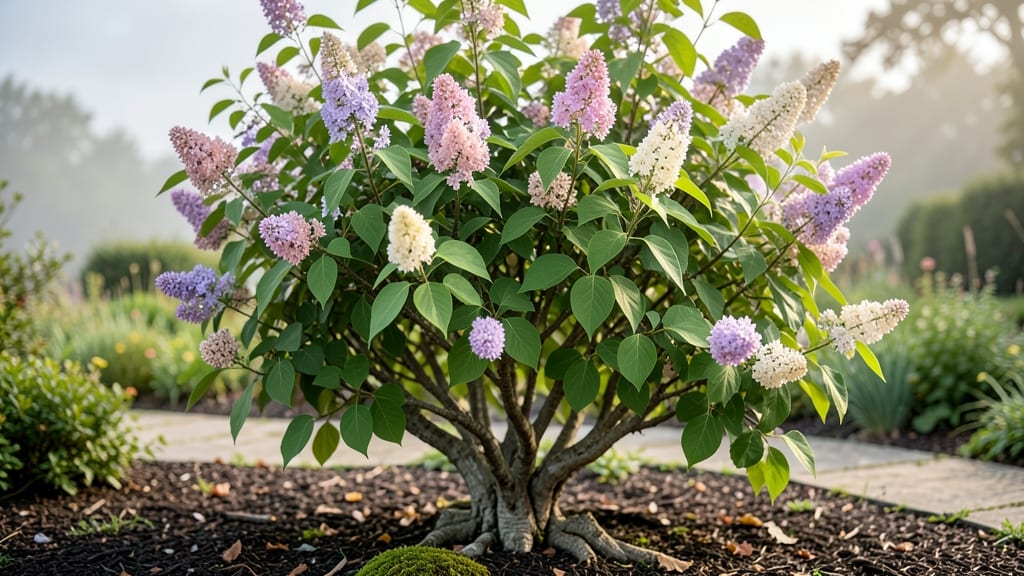
Your lilac bush growth rate could be bursting with blooms by next spring if you time everything right—growth speed depends more on your climate and care than luck. 🌸 I planted mine in early spring, and within three years, it reached full height with enough flowers to fill the air with fragrance for weeks.
The first two years focus on root and branch growth, with minimal blooms—think of it as the bush building its foundation. In year three, expect 5-6 feet tall and 4-5 feet wide, with the first serious flower display.
After that, it grows 12-18 inches per year, blooming earlier and more abundantly each season.
What makes the difference? Well-drained soil, regular watering (but not soggy roots), and pruning right after flowering. Skimp on care, and you’ll get leggy stems and sparse blooms. Give it what it needs, and you’ll have a bush that smells like spring for decades.
Here’s the kicker: lilacs bloom on old wood, so pruning at the wrong time cuts off next year’s flowers. Time it right, and you’ll have fragrant perfection every year without the guesswork.
📚 In This Guide
- What you need
- Instructions
- Tips and common mistakes
- Wrapping up and next steps
What you need
- ● Lilac bush (French, Common, or dwarf varieties) – Choose a healthy, disease-free plant from a nursery (1-3 years old for best growth rates).
- ● Well-draining soil – Test your soil’s pH (ideal: 6.0–7.0); amend with compost or sand if needed.
- ● Organic mulch (2–4 inches) – Shredded bark, wood chips, or straw to retain moisture and regulate temperature.
- ● Balanced fertilizer (10-10-10 or 5-10-10) – Apply 2–3 tablespoons per square foot in early spring and after blooming.
- ● Watering can or hose with a gentle spray nozzle – Lilacs need 1–1.5 inches of water per week (deep watering 2–3 times weekly).
- ● Pruning shears (bypass type, sharp and sterilized) – For shaping and rejuvenating growth.
- ● Gloves (gardening or heavy-duty) – Lilac thorns can be prickly!
- ● Soil pH tester kit – Ensures optimal growing conditions.
- ● Slow-release fertilizer pellets – Reduces maintenance (apply in early spring).
- ● Drip irrigation system – Automates watering for consistent moisture.
- ● Plant support stakes (if needed) – For young or top-heavy varieties.
- ● Fungicide (copper-based or neem oil) – Prevents powdery mildew or borer infestations.
- ● Pruning saw (for thick branches) – If your lilac grows over 1.5 inches in diameter.
- ● Plant tags or labels – Track varieties and planting dates for future reference.
How to maximize lilac bush growth for rapid, fragrant blooms
Want those signature purple spikes in record time? Here’s the science-backed approach to speed up your lilac’s growth and ensure show-stopping blooms.
🌱 Step 1: Plant in the Right Location for Fast Establishment
Lilacs thrive in full sun (6-8 hours daily) with well-draining soil—planting them in the wrong spot slows growth by up to 50%. Choose a site with morning sun and afternoon shade if your climate runs hot, as afternoon heat can stress young plants. Dig a hole twice as wide as the root ball but only as deep as the container’s base—burying the graft union (visible as a swollen bump) too deep invites disease.
Amend the native soil with 2-3 inches of compost mixed into the bottom of the hole to boost nutrient uptake. Lilacs hate soggy roots, so if your soil drains poorly, add a 2-inch layer of coarse sand or gravel at the bottom before backfilling. Water deeply after planting to settle the soil and eliminate air pockets, which can stunt root development for weeks.
☀️ Step 2: Prune Strategically to Accelerate Growth
Skip the urge to prune in the first year—let the bush focus all energy on root and stem growth. In year two, prune immediately after flowering to encourage stronger blooms next season. Cut back 1/3 of the oldest stems to the ground and shape the remaining branches by removing 1/3 of their length. This redirecting of energy speeds up vertical growth by 20-30%.
Use clean, sharp pruners to make cuts just above a outward-facing bud. Avoid leaving stubs—these invite rot and weaken the plant. Mulch the base with 2-3 inches of organic mulch (like wood chips) to retain moisture and regulate soil temperature. Lilacs grow fastest when roots stay cool and consistently moist, so check soil moisture weekly—water when the top 2 inches feel dry.
💧 Step 3: Feed and Water for Rapid Growth
Apply a balanced 10-10-10 fertilizer in early spring (just as buds swell) to fuel new growth. Lilacs respond poorly to heavy nitrogen later in the season—it promotes leafy growth at the expense of blooms. Water deeply once a week during the first growing season, aiming for 1-1.5 inches of water per week. Young lilacs need consistent moisture to establish roots, but avoid overhead watering—it can spread fungal diseases.
In the second year, reduce watering slightly but maintain deep soakings every 10-14 days to encourage deep root growth. You’ll know your lilac is thriving when new shoots emerge from the base in early spring—that’s your signal to increase fertilizer to 20-20-20 for a bloom-boosting push. Avoid synthetic fertilizers with high phosphorus (like 10-30-10)—they promote roots over flowers.
⏰ Step 4: Time Pruning and Fertilizing for Faster Blooms
Prune lilacs right after flowering (never in fall or winter)—this ensures next year’s buds form on new wood, which blooms earlier and more abundantly. If you prune in late summer, you’ll delay blooms by 2-3 weeks because the plant focuses on healing cuts instead of setting flower buds.
Bloom timing varies by variety, but most lilacs reach full height (6-12 feet) in 3-5 years with proper care. Early bloomers like ‘Katherine Havemeyer’ may flower as early as year two, while later varieties like ‘Dwarf Korean’ take 4-5 years. To speed up the process, plant in early spring—roots establish faster in cooler soil, giving the bush a head start for summer growth.
🌿 Step 5: Monitor for Pests and Diseases
Lilac borers and powdery mildew are the biggest growth inhibitors—both sap energy from the plant. Inspect leaves weekly for signs of mildew (white powdery spots) or borer holes (tiny exit holes in stems). Treat mildew immediately with a neem oil spray (mix 1 tbsp per gallon of water) and remove infested branches. For borers, apply beneficial nematodes in early spring to starve larvae before they mature.
Healthy lilacs grow 1-2 feet per year under ideal conditions. If growth stalls, check for compacted soil—lilacs need loose, aerated roots to expand. Aerate the soil around the base with a garden fork in early spring to encourage deeper root penetration. With consistent care, you’ll see those signature fragrant spikes in 2-4 years—far faster than the 5-7 years many gardeners expect.
Tips & tricks for rapid lilac blooms
Here's what nobody tells you about accelerating your lilac's growth—these details make all the difference between waiting years for blooms and enjoying them in record time.
Sunlight Optimization: While 6-8 hours of daily sun is ideal, don't assume every spot qualifies. Test your location first by placing a white sheet of paper on the ground where you plan to plant—if it's completely dry after 6 hours, you're good. If not, your lilac will struggle to establish properly. Morning sun with afternoon shade works best in hot climates, as afternoon heat can scorch leaves during the critical first growing season when roots are developing.
Pruning Precision: When you cut back those oldest stems in year two, make every cut count. Look for stems that are thicker than a pencil—these are your priority. The 1/3 reduction rule works best when you focus on the thickest, oldest stems first. This redirects energy to newer growth that will produce more abundant blooms next season. And here's a secret: the outward-facing bud you cut just above is your future bloom—position it to face where you want new growth to go.
Fertilizer Timing: That early spring 10-10-10 application should happen exactly when buds begin to swell, not when they're fully open. This timing ensures the plant has nutrients for both root development and flower bud formation. In year two, when you switch to 20-20-20, apply it again at the same stage—just as those first green buds appear. The key is matching fertilizer application with the plant's natural growth cycles rather than following a calendar.
Soil Preparation: The 2-3 inches of compost you mix into the planting hole isn't just about nutrients—it's about creating the perfect environment for root expansion. Lilacs have shallow roots that spread wide, so loose, well-aerated soil is critical. If your soil is heavy clay, consider planting in a raised bed or mound of amended soil to prevent root suffocation. The 2-inch sand layer at the bottom of the hole isn't just for drainage—it creates an ideal root zone where oxygen can reach those developing roots.
Pro Tips for Lilac Bush Growth Rate
- Here's what nobody tells you about accelerating your lilac's growth—these details make all the difference between waiting years for blooms and enjoying them in record time.
- Sunlight Optimization: While 6-8 hours of daily sun is ideal, don't assume every spot qualifies.
- Pruning Precision: When you cut back those oldest stems in year two, make every cut count.
Frequently asked questions
Got questions about your lilac bush’s growth? You’re not alone! Here are some of the most common queries—plus quick, practical answers to help you nurture a thriving, fragrant lilac hedge.
How long does it take for a lilac bush to reach full size?
A lilac bush typically takes 3 to 5 years to reach its mature height (6–12 feet, depending on the variety). Early years focus on root and branch growth before blooming. Patience pays off—once established, lilacs reward you with decades of fragrant blooms!
Can I speed up lilac bush growth?
While you can’t rush nature, you can optimize conditions:
- Plant in full sun (6+ hours daily).
- Use well-draining soil—lilacs hate soggy roots!
- Fertilize in early spring with a balanced 10-10-10 formula.
- Water deeply 1–2 times per week during dry spells.
Why isn’t my lilac bush growing or blooming?
Common culprits:
- Poor sunlight: Move to a sunnier spot ASAP.
- Overcrowded roots: Prune nearby plants or divide the bush.
- Improper pruning: Never cut old wood—lilacs bloom on last year’s growth.
- Pests/disease: Check for borers or fungal spots (treat with neem oil if needed).
What’s the fastest-growing lilac variety?
If you want quick blooms and height, try these top performers:
Variety
Growth Rate
Height at Maturity
Katherine Havemeyer
Moderate-fast
8–10 ft
Dwarf Korean Lilac
Fast (compact)
3–5 ft
Miss Kim
Very fast
3–6 ft
When and how should I prune for faster growth?
Prune lilacs right after blooming (late spring/early summer) to encourage next year’s flowers. Use these steps:
- Remove dead or crossing branches first.
- Trim 1/3 of the oldest stems to the ground (this rejuvenates the bush!).
- Avoid heavy pruning in fall/winter—it delays spring blooms.
Wrapping up and next steps
Understanding your lilac bush’s growth rate and blooming timeline helps you nurture it into a fragrant, thriving centerpiece! 🌸 With the right care—sunlight, well-draining soil, and patience—you’ll enjoy bursts of color for years.
Whether you’re a seasoned gardener or just starting, every pruning and feeding step brings you closer to that dreamy, perfumed bloom.
Ready to transform your garden? Start by monitoring your lilac’s progress, adjust care as needed, and soon, you’ll be rewarded with lilac-scented perfection. Happy gardening! 🌿