
Pruning
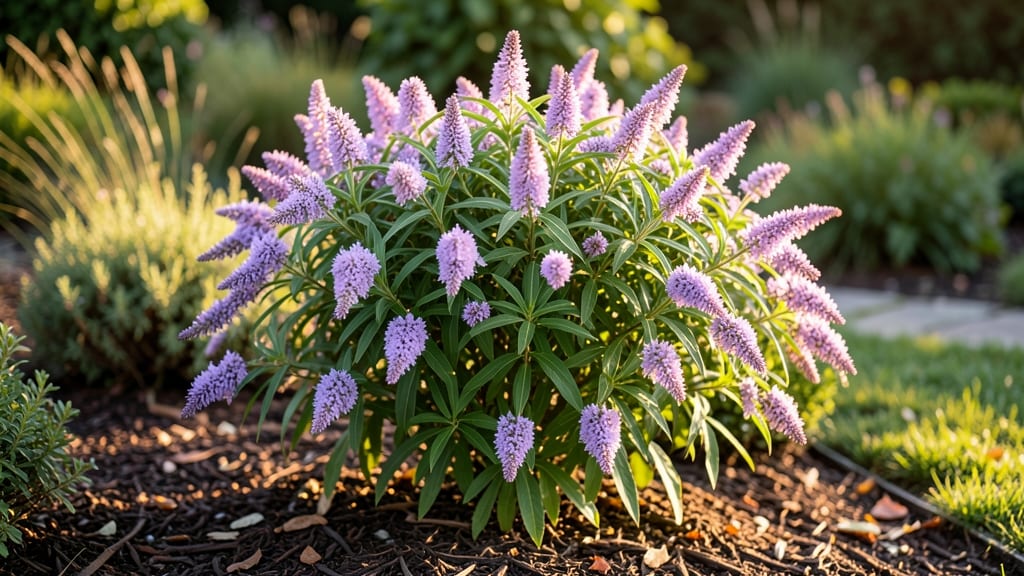
Nothing beats the sight of butterflies flitting through Lindley's Butterfly Bush in full bloom—this compact, fragrant variety is a pollinator magnet that keeps blooming from early summer until frost. 🌸 I’ve grown it for years, and the secret to its long-lasting flowers isn’t just the right location—it’s precision trimming that encourages new growth while keeping the plant tidy.
The key is timing: prune in late winter or early spring before new shoots emerge, and you’ll trigger a wave of blooms that attracts monarchs, swallowtails, and bees all season.
This bush thrives in well-draining soil and full sun, but it’s forgiving—even in partial shade, it’ll still flower, just a little less prolifically. Water deeply once a week (more in extreme heat), and you’ll avoid the leggy, sparse growth that plagues neglected Butterfly Bushes.
The compact ‘Lindley’s’ stays under 5 feet tall, making it perfect for small gardens or containers, though it can spread wider if given room. Most gardeners overlook its fragrant flowers, which are a bonus for late-summer evenings.
With the right pruning, you’ll end up with a bush that’s dense, blooming, and full of life—not the overgrown, woody mess many gardeners give up on.
The flowers start at the tips of new growth, so aggressive pruning (cutting back by one-third) in early spring ensures a flush of fresh stems ready to burst into color.
And here’s the best part: the more you prune, the bushier and more productive it gets, creating a self-sustaining cycle of blooms that keeps pollinators coming back.
If you’ve struggled with Butterfly Bushes in the past, this variety and these techniques will change your mind. It’s disease-resistant, handles drought once established, and even tolerates urban pollution—making it one of the most low-maintenance yet high-reward shrubs for any garden.
Ready to turn your space into a butterfly highway? Let’s get growing.
📚 In This Guide
- What you need
- Instructions
- Tips and common mistakes
- Wrapping up and next steps
What you need
- ● 1 healthy Lindley’s Butterfly Bush plant (Buddleia davidii ‘Lindleyana’), purchased from a reputable nursery or propagated from cuttings.
- ● Well-draining potting mix or garden soil (amend with compost for optimal fertility).
- ● Organic mulch (e.g., shredded bark or wood chips) to retain moisture and suppress weeds.
- ● Balanced, slow-release fertilizer (10-10-10 or similar) to support blooms.
- ● Pruning shears or loppers (sharp, clean, and sterilized with rubbing alcohol).
- ● Gloves (to protect hands from thorns or sap).
- ● Watering can or hose with a gentle spray nozzle (for consistent hydration).
- ● Stakes or plant supports (if your bush grows tall or leggy).
- ○ Pruning sealant (optional, to prevent disease on larger cuts).
- ● Butterfly-friendly companion plants (e.g., lavender, coneflowers, or milkweed).
Step-by-step instructions for planting and pruning Lindley's butterfly bush
Here’s how to establish your butterfly bush for maximum blooms—no guesswork, just proven techniques.
🌱 Step 1: Choose the Right Location and Prepare the Soil
Lindley’s butterfly bush thrives in full sun—at least 6 hours daily—but tolerates light shade if afternoon sun is intense. I always plant mine where it gets morning sun and afternoon dappled light to prevent leaf scorch. The soil should drain well; butterfly bushes hate soggy roots. Amend heavy clay with 2-3 inches of compost or organic matter before planting.
Dig a hole twice as wide as the root ball but only as deep. This encourages roots to spread horizontally, which stabilizes the plant and boosts bloom production. Gently loosen the roots if they’re circling, then place the bush in the hole, backfilling with native soil mixed with a handful of slow-release fertilizer.
☀️ Step 2: Water Deeply After Planting and Monitor Soil Moisture
Water the newly planted bush deeply right after planting—soak the soil until water runs out the bottom of the hole. This settles the roots and eliminates air pockets. After that, keep the soil evenly moist but not soggy for the first 2-3 weeks. You’ll know it’s right when the top 2 inches of soil feel damp but not wet.
Once established, Lindley’s butterfly bush is drought-tolerant, but deep watering once a week during dry spells keeps blooms abundant. I always water in the morning so foliage dries quickly, reducing fungal risks. Avoid overhead sprinklers—they can spread disease and damage delicate flowers.
✂️ Step 3: Prune for Year-Round Blooms in Three Key Stages
Lindley’s butterfly bush blooms on both old and new wood, so timing matters. First, cut back 1/3 of the oldest stems to the ground in early spring (before buds swell). This removes dead wood and stimulates fresh growth. Next, trim lightly after each flush of blooms to encourage continuous flowering. Finally, do a light shaping prune in late summer to maintain the plant’s form without sacrificing next year’s blooms.
Always use clean, sharp pruners and make cuts just above a leaf node or bud. Avoid heavy pruning in fall—it removes next year’s flower buds. If you see leggy growth, cut back to a strong lateral branch; this keeps the bush compact and bushy. I prune mine in stages, removing only 10-15% of the plant at a time to avoid stress.
🪴 Step 4: Fertilize Strategically for Long-Lasting Blooms
Feed your butterfly bush in early spring with a balanced 10-10-10 fertilizer or one formulated for flowering shrubs. Apply it at half the recommended rate—too much nitrogen leads to leafy growth at the expense of blooms. Water deeply after fertilizing to help nutrients penetrate the soil. Repeat in mid-summer with a low-phosphorus, high-potassium fertilizer to support continuous flowering.
I also top-dress with 2-3 inches of compost in fall to replenish nutrients without risking over-fertilization. Avoid fertilizing in late summer or fall—it encourages tender new growth that won’t survive winter. Mulch around the base with 2-3 inches of organic mulch to retain moisture and regulate soil temperature.
Tips & tricks for perfect Lindley's butterfly bush care
Between us, the real magic with Lindley's butterfly bush isn't just planting—it's the little details that turn good growth into spectacular blooms year-round. These are the tricks I wish I'd known when I first planted mine.
Sunlight Strategy: That 6 hours of daily sun recommendation is non-negotiable, but here's what nobody tells you—morning sun is your best friend. I planted mine where it gets full morning sunlight but afternoon dappled shade, and the difference in leaf scorch is night and day. If your yard only gets intense afternoon sun, consider a 30% shade cloth during peak hours to protect those delicate leaves.
Root Ball Revelation: The "twice as wide but only as deep" hole advice is brilliant, but here's the real game-changer: I now loosen the roots even more aggressively if they're circling. Use your fingers to gently separate any roots that might be wrapped around the root ball—this encourages them to spread out horizontally right from the start, which means stronger establishment and more blooms next season.
Watering Wisdom: That "evenly moist but not soggy" advice is critical, but I've found a simple trick to check moisture perfectly: Stick your finger about 2 inches into the soil. If it feels like a wrung-out sponge (not wet, not dry), you're golden. The first 2-3 weeks are when most people overwater—trust me, your butterfly bush will thank you for being patient and letting the soil dry slightly between waterings.
Pruning Precision: When it comes to the 1/3 oldest stems prune in early spring, here's my pro move: I mark the stems I'm removing with a ribbon before cutting. This helps me visualize the plant's structure and ensures I'm not accidentally removing more than my target. Also, those light trims after each bloom flush? I time them for when about 20% of the blooms have faded—that's when the plant is ready for the next growth surge.
Pro Tips for Lindley'S Butterfly Bush
- Between us, the real magic with Lindley's butterfly bush isn't just planting—it's the little details that turn good growth into spectacular blooms year-round.
- Sunlight Strategy: That 6 hours of daily sun recommendation is non-negotiable, but here's what nobody tells you—morning sun is your best friend.
- Root Ball Revelation: The "twice as wide but only as deep" hole advice is brilliant, but here's the real game-changer: I now loosen the roots even more aggressively if they're circling.
Frequently asked questions
Got questions about Lindley’s Butterfly Bush?
Here are some of the most common ones—plus expert answers to keep your plant thriving and blooming year-round!
Is Lindley’s Butterfly Bush invasive?
Lindley’s Butterfly Bush (Buddleja davidii) is not invasive in most U.S. climates, but it can naturalize aggressively in warm, humid regions (Zones 6–10). To control spread, prune back hard in early spring and avoid planting in wild areas. Opt for sterile cultivars like ‘Lo & Behold®’ for lower risk.
When is the best time to prune for continuous blooms?
Prune twice yearly for nonstop flowers: first in late winter/early spring (before new growth) to shape the plant, and again in mid-summer (after the first flush of blooms) to encourage a second wave. Never prune after fall—this removes next year’s flower buds!
Why are my leaves yellowing or dropping?
Yellow leaves often signal overwatering, poor drainage, or pests. Check soil moisture (it should dry slightly between waterings) and inspect for spider mites or aphids. If roots are soggy, repot in well-draining mix. Pro tip: Mulch lightly to retain moisture without suffocating roots.
Can Lindley’s Butterfly Bush survive winter in cold climates?
Yes! In Zones 5–6, protect young plants with burlap wraps or mulch heavily. Established bushes tolerate down to 10°F but may lose leaves. Prune back dead stems in early spring—new growth is hardy. For Zones 4 and below, grow it in containers and overwinter indoors.
What’s a good alternative if I want fewer bees?
If butterflies aren’t your goal, try ‘Blue Chip’ Aster or ‘Purple Smoke’ Bush Clover for low-maintenance blooms with fewer pollinators. For year-round color, pair Lindley’s with ‘Angelonia’ (heat-tolerant) or ‘Heavenly Blue’ False Blue Indigo (drought-resistant).
How much can I cut back without harming the plant?
You can safely prune up to ⅔ of the plant in late winter, but avoid cutting into old wood (gray/brown stems)—these won’t regrow. For rejuvenation, prune all stems to 6–12 inches in spring, but expect slower regrowth. Never prune more than ⅓ in summer!
Wrapping up and next steps
Lindley’s Butterfly Bush is a showstopper for pollinators and gardeners alike—its vibrant blooms and low-maintenance charm make it a must-have! 🌸 With the right pruning techniques, you’ll enjoy year-round color and a thriving bush that attracts butterflies, bees, and hummingbirds.
Remember, the key is timing and precision: trim in late winter/early spring, shape in summer, and clean up in fall.
Ready to transform your garden? Start small—pick one bush, grab your tools, and follow the steps above. Before you know it, your yard will be buzzing with life (and compliments)! 🌿✨