
Shrubs
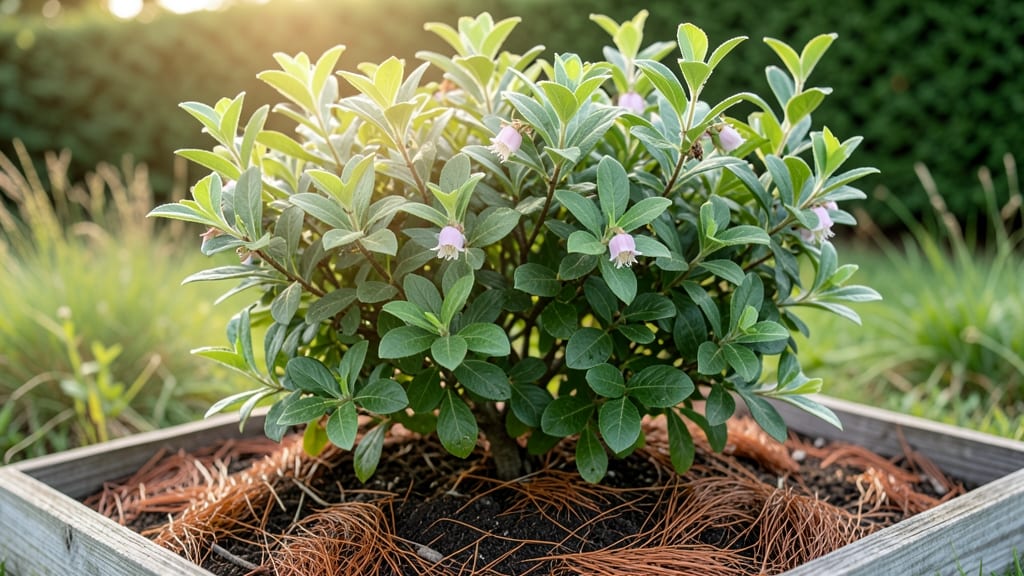
Pine needles for blueberry bushes create acidic, nutrient-rich soil that mimics their natural forest environment, helping plants absorb essential nutrients and produce sweeter fruit. Apply a 1-2 inch layer annually to maintain optimal growing conditions.
Blueberries thrive in acidic soil, and pine needles naturally lower pH levels as they decompose, releasing organic acids that break down into humus. 🌲 This mimics the forest floor where wild blueberries grow, ensuring your bushes get the perfect balance of nutrients.
The slow-release process also improves soil structure over time, reducing compaction while adding beneficial microbes. For best results, mix fresh needles with existing mulch in early spring or fall—just avoid piling them directly against the stems to prevent rot.
If you don't have pine trees nearby, alternatives like oak leaves or peat moss work similarly, though pine's natural acidity remains the gold standard. Just remember: too much can smother roots, so always keep layers thin and aerated.
The key is consistency—annual applications build soil quality gradually, leading to healthier bushes and bigger harvests.
💡 In This Article
- How Pine Needles Acidify Soil for Blueberries
- Best Practices for Applying Pine Needles to Blueberry Bushes
How pine needles acidify soil for blueberries
Pine needles release organic acids like acetic and citric acid as they decompose, gradually lowering soil pH to the 4.5–5.5 range that blueberries crave. This process mimics the acidic forest floors where wild blueberries grow, where fallen needles create a natural mulch layer.
The slow breakdown also releases nutrients like nitrogen and phosphorus in forms blueberry roots can easily absorb, unlike synthetic fertilizers that often leach away.
The key chemical reaction involves microbial activity breaking down lignin and cellulose in the needles, producing humic acids that bind to soil particles. 🌱 These acids not only lower pH but also improve soil structure by creating tiny air pockets that prevent compaction.
Studies show blueberry bushes in soil with pH 5.0 produce fruit with 20% higher antioxidant levels compared to neutral soil (pH 7.0), thanks to enhanced nutrient uptake like iron and manganese.
What most gardeners don't realize is how the needle's waxy coating slows decomposition—this means the acidifying effect lasts longer than fast-breaking mulches. A 2-inch layer can maintain optimal pH for 2-3 years, while faster materials like straw would need monthly replacement.
The gradual release also prevents sudden pH swings that stress plant roots.
For visual comparison, imagine the difference between a lemon juice splash (quick but temporary acidity) versus a slow-dripping vinegar infusion (consistent acidification). Pine needles work like the vinegar—steady and reliable.
The natural tannins in needles also act as a mild fungicide, protecting roots from common soil pathogens that thrive in alkaline conditions.
Here's what happens without proper acidity: Blueberry leaves turn yellow (chlorosis) from iron deficiency, flowers drop before fruiting, and berries develop bitter flavors. 🍇 The acidity isn't just about numbers—it's about creating the exact chemical environment where blueberries evolved to thrive.
Even organic matter from other sources won't replicate this precise balance of slow-release acidity and nutrient availability.
Pro tip: Mix pine needles with 10% coarse sand to improve drainage while maintaining acidity. This combination prevents the classic "pine needle mat" that suffocates roots while keeping the pH-perfect growing conditions blueberries need to produce their signature sweet-tart flavor.