
Plants
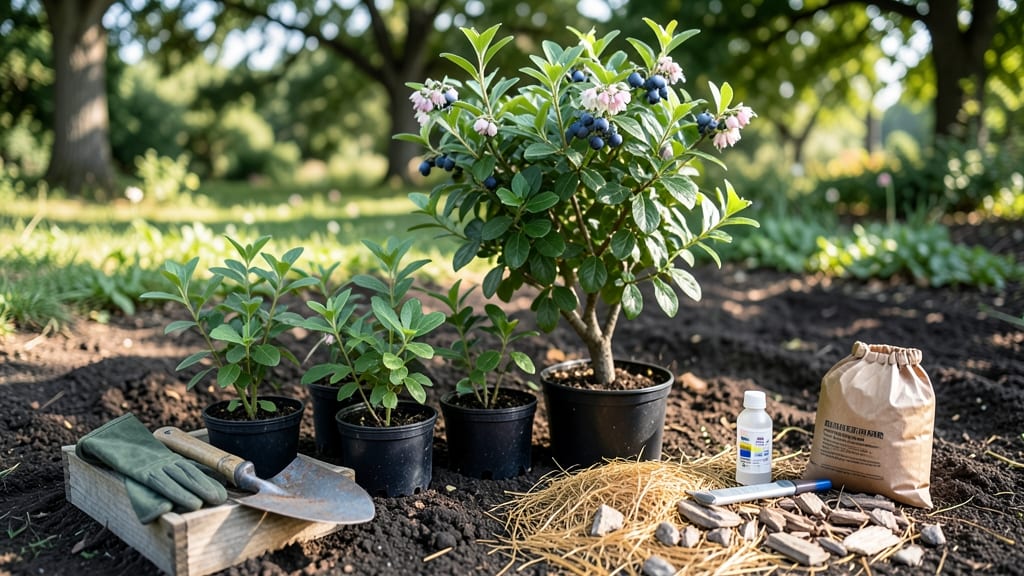
Planting blueberry bushes in Alabama at the right time is the key to thriving 🫐 plants and heavy harvests—aim for late winter to early spring or fall, when soil temps cooperate.
Miss that window, and you risk stunted growth or even plant failure. Alabama’s warm climate means frost dates shift by region, so timing matters more than you’d think.
Below, I break down the best months for your USDA zone, soil prep for acidic conditions, and how to adjust for urban containers or rural beds.
You’ll learn how to avoid common mistakes, from planting too late to ignoring mulch, and get Alabama-specific tips for perfect blueberry bushes.
Best planting months for blueberry bushes in Alabama’s USDA zones 7b-8a
Alabama’s USDA Zones 7b-8a create perfect conditions for growing blueberry bushes, but timing your planting is everything. These zones offer mild winters and hot summers, which means you have two prime planting windows—spring and fall.
Each window offers unique advantages depending on whether you’re planting Southern Highbush or Rabbiteye varieties, both popular in Alabama.
For Southern Highbush varieties, which thrive in warmer climates, late winter to early spring (February to March) is ideal. This timing allows roots to establish before the heat of summer.
Meanwhile, Rabbiteye varieties, better suited for Alabama’s heat, often perform better when planted in fall (September to October), giving them time to root before winter dormancy.
Soil temperature plays a critical role in successful planting. Blueberries need soil temperatures between 40°F and 60°F for optimal root growth.
In Alabama’s Zone 7b, this typically aligns with late February to early April for spring planting, while Zone 8a gardeners should aim for late March to early May.
Fall planting in both zones should occur when soil temperatures drop below 70°F, usually by late August or early September.
Here’s how the ideal planting windows compare for each variety and zone:
| Variety | USDA Zone | Best Planting Window | Soil Temp Threshold | Dormancy Consideration |
|---|---|---|---|---|
| Southern Highbush | 7b | Late Feb - Early Mar | 40°F - 60°F | Avoid late spring; heat stress risk |
| Southern Highbush | 8a | Late Mar - Early Apr | 45°F - 65°F | Plant before summer heat |
| Rabbiteye | 7b | Late Sep - Early Oct | Below 70°F | Establish roots before cold |
| Rabbiteye | 8a | Mid-Sep - Late Oct | Below 75°F | Avoid late fall planting |
If you’re planting in Zone 7b, aim for late February to early March for Southern Highbush varieties. This timing ensures roots establish before Alabama’s summer heat peaks. For Rabbiteye varieties, late September to early October is best, allowing roots to settle before winter dormancy.
In Zone 8a, where winters are milder, you can extend planting slightly later—late March to early April for Southern Highbush and mid-September to late October for Rabbiteye.
One key factor to consider is dormancy. Blueberries need a period of dormancy to produce fruit effectively. In Alabama’s warmer zones, fall planting helps trigger this dormancy naturally.
If you plant in spring, ensure your bushes get enough chill hours (typically 300-500 hours below 45°F) during winter to break dormancy properly and produce fruit the following year.
For Southern Highbush varieties, which are less cold-hardy, avoid planting too late in the season. Late spring planting can stress young plants, especially in Zone 8a, where summer heat arrives early.
Conversely, Rabbiteye varieties handle Alabama’s heat better and can tolerate slightly later fall planting, but avoid planting after mid-October to prevent frost damage to new roots.
Pro tip: If you’re unsure about your exact last frost date, check local weather records or use a frost calendar for your specific Alabama county. In most of Alabama, the last frost occurs around mid-March, but this can vary by 1-2 weeks depending on elevation and microclimates.
Planting 4-6 weeks before your average last frost date gives roots enough time to establish before warm weather arrives.
Finally, always plant bare-root blueberries as soon as possible after purchase. If you can
Signs your Alabama soil is ready for blueberry bush planting (and how to fix it)
Blueberries thrive in acidic soil with a pH between 4.5 and 5.5, but Alabama’s native soil is often too alkaline for optimal growth. Before planting, check for these key readiness signs—because even the best timing won’t save poor soil conditions.
I’ve learned the hard way that skipping this step leads to stunted bushes and meager harvests.
Your soil is ready if it drains well after heavy rain—no soggy patches lingering for days. Blueberries hate waterlogged roots, which can rot and kill your plants. Test drainage by digging a 12-inch hole, filling it with water, and timing how long it takes to drain.
If it’s still wet after 6 hours, you’ll need to amend it with organic matter like pine bark fines or compost.
Use a soil pH test kit (available at garden centers) to check acidity. Alabama’s clay-heavy soils often test above 6.0, which is far too high. If your reading falls outside the 4.5–5.5 range, don’t panic—you can lower pH naturally with sulfur or peat moss.
I’ve successfully adjusted my own soil from a pH of 6.8 to 5.2 in just two months using these methods.
Temperature matters too—blueberry roots need soil that’s at least 40°F to thrive. In Alabama, this typically means waiting until late February or early March in the north (USDA Zone 7b) or even later in the cooler mountain regions.
For southern Alabama (Zone 8a), you can plant as early as January, but avoid freezing nights. Use a soil thermometer to monitor—roots won’t establish well in cold soil.
If your soil feels compacted or clay-heavy, loosen it before planting by mixing in organic compost or coconut coir. Compacted soil restricts root growth, which directly impacts fruit production.
I once had a blueberry bush that barely produced berries until I aerated the soil and added compost—now it’s my most productive plant! Spread a 3-inch layer of mulch (like pine straw) around the base to retain moisture and suppress weeds.
Finally, observe your site’s microclimate. Blueberries need 6–8 hours of sunlight daily, but Alabama’s summer heat can stress them. Choose a spot with afternoon shade if your area gets intense afternoon sun.
If your soil passes all these tests, your blueberry bushes are ready for planting—and you’re on track for a harvest in just 2–3 years! 🫐