
Plants
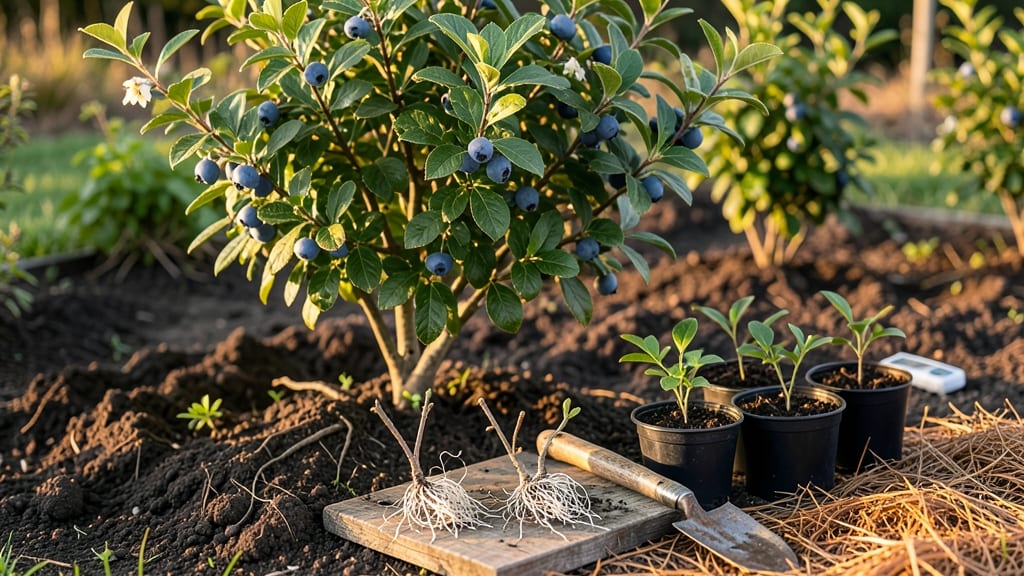
Planting blueberry bushes in Mississippi at the right time ensures they thrive in your 7b-9a climate and produce bountiful harvests every season.
Mississippi’s warm winters and long growing season might make you think blueberries are easy to grow—but timing is everything. Plant too early, and your bushes won’t establish strong roots before summer heat arrives.
Plant too late, and they’ll struggle to harden off before the first frost. Get it right, though, and you’ll enjoy sweet, juicy berries by late spring.
Fall planting (October–November) is the best window for Mississippi’s climate, giving roots time to settle before winter. Spring planting (February–March) works too, but requires careful soil prep and protection from late frosts.
Whether you’re planting in the ground or containers, the key is acidic, well-draining soil and the right variety for your zone.
In this guide, I’ll break down the exact frost-free windows for each Mississippi zone, soil prep secrets, and the top varieties that perform best in your region—so you can avoid common mistakes and grow blueberry bushes that produce for decades.
Best planting windows for Mississippi blueberry bushes by frost Zone
Mississippi’s frost zones 7a-8b create a unique opportunity for blueberry growers, but the last frost dates vary significantly between northern and southern regions. In Zone 7a, you’ll need to plant earlier to avoid winter stress, while Zone 8b gardeners have more flexibility.
The key is planting when soil temperatures stay above 40°F for at least 2 weeks—this ensures strong root establishment before dormancy.
Fall planting (October-November) is ideal for Mississippi because cooler temperatures reduce transplant shock, and roots grow steadily until winter dormancy. Spring planting (February-March) works too, but requires careful frost protection if late frosts linger.
Let’s break down the exact windows by zone to maximize your blueberry harvest potential.
| USDA Zone | Last Frost Date | First Frost Date | Ideal Planting Window | Soil Temp Requirement | Dormancy Prep Month |
|---|---|---|---|---|---|
| 7a | March 1 | November 10 | Oct 15-Nov 15 | 40°F+ | December |
| 7b | March 15 | November 15 | Oct 1-Nov 30 | 40°F+ | December |
| 8a | March 20 | November 20 | Sep 15-Nov 15 | 45°F+ | December |
| 8b | March 25 | November 25 | Sep 1-Nov 30 | 45°F+ | December |
For Zone 7a gardeners, I recommend planting in late October to give roots time to establish before the first frost. If you miss this window, February planting works too—just add frost cloth for protection until soil warms.
In Zone 8b, you have until mid-November for fall planting, but avoid planting after November 15 to prevent winter stress.
Mississippi’s humidity levels can complicate dormancy, so I always prepare blueberry bushes for winter by applying 4-6 inches of mulch in December. This insulates roots and maintains soil acidity.
If you plant in spring, wait until after the last frost (typically mid-March in Zone 7a) and keep young plants well-watered to encourage root growth before summer heat arrives.
One common mistake I see is planting too late in fall—roots need 6-8 weeks to establish before winter dormancy. If you’re in Zone 7a and plant after November 1, your bushes may struggle to harden off.
To check soil readiness, stick a thermometer 6 inches deep—it should read 40°F or warmer for
How to prepare Mississippi soil for blueberry bushes: pH, drainage, and organic amendments
Mississippi’s clay-heavy soils and naturally alkaline pH (often 6.5-7.5) can stifle blueberry bushes, which thrive in acidic conditions (pH 4.5-5.5). Without proper prep, your bushes may struggle to absorb nutrients, leading to poor fruit set or even plant decline.
The key is transforming your soil into a well-draining, nutrient-rich environment tailored for acid-loving shrubs.
Start by testing your soil’s pH using a home test kit or lab service. Mississippi’s native soils rarely meet blueberries’ needs, so you’ll likely need to lower the pH significantly.
Organic amendments like pine bark fines or peat moss are your best allies—these not only acidify the soil but also improve drainage and aeration. For heavy clay, consider raising beds or amending with sand and compost to prevent waterlogging.
Step-by-Step Soil Prep for Blueberries in Mississippi
- 🔹 Step 1: Test soil pH – Aim for 4.5-5.5. If higher, amend with elemental sulfur (apply 2-4 lbs per 100 sq ft, re-test in 2-3 months).
- 🔹 Step 2: Loosen heavy clay – Till in 3-4 inches of compost and 1 part sand to improve drainage. Avoid compacting the soil further.
- 🔹 Step 3: Add organic matter – Mix in 2-3 inches of pine bark fines or peat moss to retain acidity and moisture.
- 🔹 Step 4: Mulch heavily – Apply 4-6 inches of pine needles or wood chips to suppress weeds and maintain soil acidity.
- 🔹 Step 5: Plant in raised beds (optional) – For clay-heavy areas, consider raised beds with acidic soil mix to ensure optimal growing conditions.
Don’t overlook drainage—blueberries hate soggy roots. If your yard holds water after rain, create mounds or berms where you’ll plant. In containers, use a well-draining mix with 50% peat or pine bark, 30% compost, and 20% perlite.
This mimics the acidic, sandy soils blueberries prefer in their native habitats.
After planting, re-test soil pH annually and re-amend if needed. Blueberries are heavy feeders, so supplement with an acid-loving fertilizer (like 10-10-10 with sulfur) in early spring and after harvest.
Avoid lime or wood ash—they’ll raise pH and stress your bushes. With the right prep, your Mississippi blueberries will reward you with bountiful harvests for years.
Pro tip: Plant companion plants like comfrey or ferns nearby—they naturally acidify soil and deter pests. Just avoid legumes, which can raise soil pH over time.