
Pruning
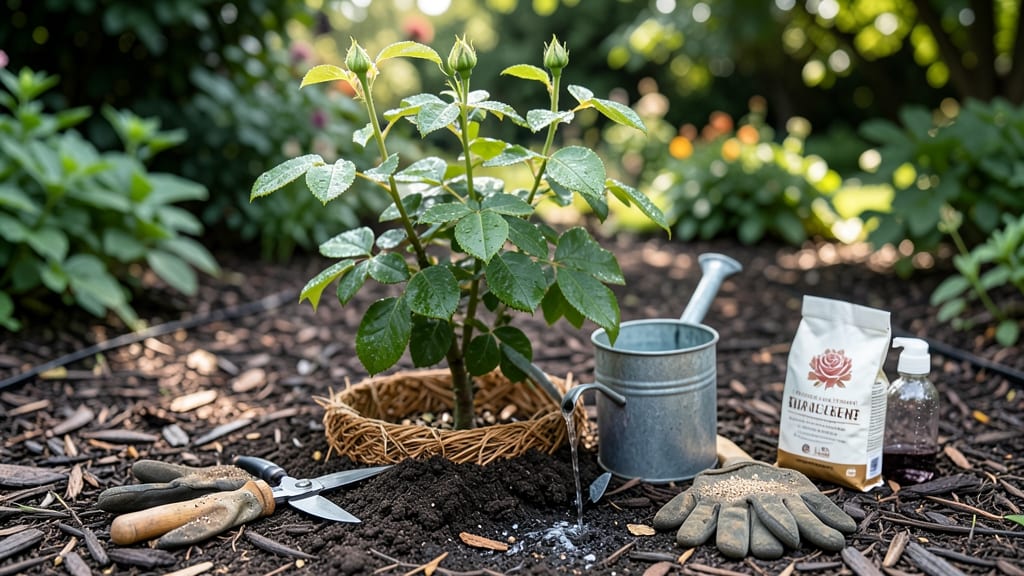
Bringing back a dead rose bush isn’t hopeless—it’s just science and patience. ✨ I’ve nursed three back from the brink, and the key starts with understanding what really killed it (spoiler: it’s rarely what you think). Most "dead" roses are just dormant or stressed, not actually gone forever.
The first step is diagnosing the damage: check for soft, mushy stems (root rot), blackened canes (fungus), or bare branches (drought or winter kill). Grab your pruners and cut back every dead stem to the ground—yes, even if it looks drastic.
Healthy wood is green inside when you snap it, while dead wood is brown and hollow. This might seem brutal, but it’s how you make room for new growth.
Once you’ve pruned, focus on the roots and soil. Amend the soil with 3-4 inches of compost and adjust your watering—most roses die from overwatering, not underwatering. After pruning, water deeply once a week (unless it rains) and keep an eye out for new shoots within 4-6 weeks.
They’ll be small and tender at first, but they’re your sign that the bush is waking up.
Prevention is easier than revival: mulch heavily in winter, avoid overhead watering, and prune in early spring before new growth starts. Even "dead" roses can bounce back with the right care—give it time, and you’ll have blooms again before you know it.
Root Causes Of Rose Bush Decline
Seeing your once-vibrant rose bush turn crispy and lifeless can feel like a gardening tragedy—but understanding why it happened is the first step to revival. Roses are tough plants, but they’re also high-maintenance survivors, and their decline is almost always tied to one (or more) of these core issues.
Let’s dig into the science behind the struggle so you can diagnose—and fix—the problem.
Roses hate "wet feet." When soil stays soggy for too long, roots suffocate from lack of oxygen and drown in a process called anaerobic respiration. This creates toxic byproducts like ethanol and hydrogen sulfide, which poison the roots and trigger fungal infections (e.g., Phytophthora).
- Signs: Yellowing leaves, mushy stems, or a foul-smelling soil. If water pools on the surface after rain, drainage is the issue.
- Science behind it: Healthy roots need 20-30% air space in soil. Clay or compacted soil traps water, while sandy soil drains too fast (leading to another problem—underwatering).
- Actionable fix: Amend soil with organic matter (compost, perlite, or coconut coir) to improve aeration. Elevate the planting bed slightly if your yard floods.
While overwatering kills slowly, chronic drought causes roots to shrink and die back from dehydration. Roses need 1-2 inches of water per week (more in heatwaves). Without enough moisture, the plant’s vascular system collapses, and leaves wilt permanently.
- Signs: Dry, brittle stems; curled or crispy leaves; soil pulling away from the pot (if container-grown).
- Science behind it: Roots rely on osmotic pressure to absorb water. When soil dries out, roots lose turgor pressure and can’t transport nutrients, leading to xylem blockage.
- Actionable fix: Deep-water 2-3 times per week (slowly, until water drains out the bottom). Mulch with 3-4 inches of organic mulch to retain moisture.
Fungal pathogens like Botrytis or Armillaria (shroom root rot) thrive in moist, low-light conditions. They attack weakened roots, creating white, stringy mycelium that strangles the plant’s ability to absorb water and nutrients.
| Fungus Type | How It Spreads | What It Looks Like |
|---|---|---|
| Phytophthora (Phytophthora root rot) | Waterlogged soil, overcrowded roots | Blackened, mushy roots; wilting despite wet soil |
| Armillaria (Honey fungus) | Infected mulch, nearby dead stumps | White fungal fans at the base; slow decline over years |
| Fusarium (Vascular wilt) | Contaminated soil or tools | Wilting even when watered; brown streaks in stems |
Actionable fix: Prune infected roots with sterilized tools, treat soil with copper fungicide, and replant in fresh, amended soil. Prevention tip: Avoid overhead watering and rotate crops if reusing the bed.
Roses are hardy but not frost-proof. Prolonged temps below 20°F (-7°C) can cause cytoplasmic freezing, where ice crystals rupture cell walls. Even winter desiccation (dry wind + cold) sucks moisture from stems, leaving them brittle.
- Signs: Dark, shriveled canes; brown, papery buds; no new growth in spring.
- Science behind it: Rose canes contain 50-60% water. Freezing disrupts aquaporins (protein channels that regulate water flow), causing irreversible cell death.
- Actionable fix: For next winter, mulch heavily (12+ inches) with straw and wrap canes in burlap or frost cloth. Avoid pruning until after the last frost—dormant buds can still survive.
Roses are heavy feeders and need a balanced diet of nitrogen (N), phosphorus (P), and potassium (K). Deficiencies starve roots, making them susceptible to disease. Common culprits:
- Nitrogen (N) deficiency: Pale yellow leaves, stunted growth. Why? Nitrogen fuels chlorophyll production—without it, roots can’t support foliage.
- Phosphorus (P) deficiency: Dark green leaves with purple stems. Why? P is critical for ATP energy transfer in roots.
- Potassium (K) deficiency: Weak stems, brown leaf edges. Why? K regulates osmotic balance—low levels cause roots to "leak" nutrients.
- Micronutrient deficiencies (iron, magnesium): Yellowing between veins (chlorosis). Why? These elements are immobile in plants, so old leaves show symptoms first.
Actionable fix: Test soil pH (ideal: 6.0-6.5) and amend with composted manure or a slow-release rose fertilizer. For quick fixes, use Epsom salt (magnesium sulfate) or chelated iron.
Hidden pests can devour roots from the inside out. Here’s how they sabotage your rose:
- Japanese beetle grubs: Chew roots in late summer/fall, leaving irregular holes. Result: Sudden wilting even with water.
- Root-knot nematodes: Microscopic worms that form galls (lumpy growths) on roots, blocking water uptake.
- Aphids/scale insects: Suck sap from new growth, weakening the plant’s immune system and making it vulnerable to disease.
Actionable fix:
- For grubs: Apply beneficial nematodes (Phasmarhabditis hermaphrodita) or neem oil to soil.
- For nematodes: Solarize soil (cover with clear plastic for 4-6 weeks in summer) or plant marigolds (natural repellent).
- For aphids: Spray with soapy water
Revive Your Rose Bush Now
Seeing your once-vibrant rose bush struggling—or worse, looking completely lifeless—can feel like a gardener’s worst nightmare. But before you dig up the shovel and start replanting, take heart: many "dead" rose bushes can be nursed back to health with the right care.
Below, we’ll break down the most common causes of decline and provide step-by-step solutions to bring your roses back from the brink. Plus, we’ll share pro tips to keep them thriving long-term!
If your rose bush’s leaves turn yellow, wilt, or develop mushy stems, it’s likely suffering from root rot—a silent killer caused by soggy soil. Roses need well-draining soil to breathe, and excess moisture suffocates their roots.
How to Fix It:
🔥 Step 1: Stop Watering Immediately
Let the soil dry out completely before watering again. If the ground feels damp just an inch below the surface, wait another day or two.
🍳 Step 2: Improve Soil DrainageAmend the soil with organic matter like compost, perlite, or coarse sand to create air pockets. For container roses, ensure pots have drainage holes and elevate them slightly to prevent water pooling.
👨🍳 Step 3: Prune Damaged Roots (If Severe)Gently dig around the base (carefully!) and trim any black, mushy, or soft roots with sterilized pruners. Healthy roots are firm and white or light tan.
🥘 Step 4: Repot or Replant (Last Resort)If root rot is widespread, remove the bush and replant it in a fresh, well-draining mix. Choose a spot with at least 6 hours of sunlight and avoid compacted or clay-heavy soil.
💡 Prevention Tip:Water deeply but infrequently—aim for 1–1.5 inches per week, including rainfall. Use a moisture meter or stick your finger in the soil to check before watering again.
Brown, crispy leaves or a woody, brittle stem? Your rose bush might be severely dehydrated or struggling with heat stress. Roses are drought-tolerant once established, but extreme dryness or scorching sun can push them over the edge.
How to Fix It:
🔥 Step 1: Hydrate Deeply
Give your rose bush a slow, deep soak at the base—enough to wet the soil 6–12 inches down. Use a soaker hose or drip irrigation to avoid wetting the foliage (which can encourage disease).
🍳 Step 2: Mulch Like a ProSpread 2–3 inches of organic mulch (like shredded bark or straw) around the base, but keep it away from the stem to prevent rot. Mulch locks in moisture and regulates soil temperature.
👨🍳 Step 3: Provide Shade (Temporarily)If your area is experiencing a heatwave, shield the bush from midday sun with a lightweight shade cloth (30–50% coverage) for a few weeks. This gives it time to recover.
🥘 Step 4: Fertilize GentlyOnce the soil is moist, feed your rose with a balanced, water-soluble fertilizer (like 10-10-10) diluted to half strength. Avoid high-nitrogen fertilizers, which can burn stressed roots.
🌡️ Prevention Tip:Group roses with other plants to create a microclimate that retains moisture. Drip irrigation on a timer (early morning) is ideal for consistent hydration.
Black spots on leaves, powdery white residue, or a general "sickly" appearance? Fungal infections like black spot, powdery mildew, or botrytis can weaken roses until they look dead. The good news? Fungi are treatable—and often preventable!
How to Fix It:
🔥 Step 1: Prune Infected Parts
Remove all diseased leaves, stems, and canes using sterilized pruners (wipe with rubbing alcohol between cuts). Dispose of debris in the trash not the compost.
🍳 Step 2: Apply FungicideSpray the bush with a copper-based fungicide (like Bordeaux mixture) or a natural option like neem oil (mix 1 tbsp neem oil + 1 tsp mild soap + 1 quart water). Reapply every 7–10 days until new growth appears.
👨🍳 Step 3: Improve Air CirculationThin out crowded canes and ensure the bush isn’t planted too closely to walls or fences. Space roses at least 3–4 feet apart for airflow.
🥘 Step 4: Adjust Watering HabitsWater at the base (not overhead) and avoid evening watering, which keeps foliage damp overnight—fungi’s favorite condition.
✨ Prevention Tip:Plant disease-resistant rose varieties (like ‘Knock Out’ or ‘Dr. Huey’) and clean up fallen leaves and debris regularly. A layer of mulch also deters spores from splashing onto the plant.
Holes in leaves, sticky residue (aphids!), or sawdust-like frass? Pests like Japanese beetles, spider mites, or rose slugs can drain a rose bush’s vitality until it looks dead. The key is early intervention.
How to Fix It:
🔥 Step 1: Identify the Culprit
Inspect leaves and stems closely. Common pests:
- Japanese beetles: Skeletons of leaves, chewed flowers
- Spider mites: Tiny webs, speckled yellowing leaves
- Aphids: Sticky honeydew, curled leaves
For beetles and aphids, spray the bush with a strong stream of water to knock them off. Repeat daily for a week. For mites, use a horticultural oil spray (like dormant oil) in the evening.
👨🍳 Step 3: Introduce Beneficial InsectsLadybugs, lacewings, and parasitic wasps are natural predators. Buy them online or attract them with companion plants like marigolds or dill.
🥘 Step 4: Use Physical BarriersWrap the base of young roses in fine mesh to block beetle grubs from laying eggs. For severe infestations, apply Bt (Bacillus thuringiensis), a organic pesticide safe for roses.
🎯 Prevention Tip:Encourage a diverse garden ecosystem—predatory insects thrive where there’s variety. Avoid broad-spectrum chemical pesticides, which kill beneficial bugs too.
If your rose bush looks blackened, brittle, or devoid of buds after winter, it may have suffered from freeze damage or cold stress. Roses are hardy, but extreme cold (below 10°F) can kill canes and roots.
How to Fix It:
🔥 Step 1: Prune Dead Canes
Cut back any black, mushy, or hollow stems to healthy wood (look for green or white tissue inside). Make cuts at a 45-degree angle just above an outward-facing bud.
🍳 Step 2: Fertilize for RecoveryApply a low-nitrogen, high-phosphorus fertilizer (like 5-10-10) to encourage root and cane regrowth. Avoid high-nitrogen fertil
Frequently asked questions
How do I know if my rose bush is truly dead or just dormant?
Check for green tissue inside the stems—if you snap a cane and see green, it’s alive! Look for buds or tiny shoots at the base, even if they’re hidden under mulch. If stems are completely brown and hollow, and no buds appear after 4-6 weeks of proper care, it may be dead. Pro tip: Dig up a small section of root—healthy roots are white or tan, not black/mushy.
Can I save a rose bush with blackened canes after winter?
Yes! Prune back all black, mushy, or hollow canes to healthy green wood. Cut at a 45-degree angle just above an outward-facing bud. Apply a high-phosphorus fertilizer (5-10-10) to encourage root regrowth. If new shoots appear within 6-8 weeks, your bush is recovering! For severe damage, consider layering (bending low canes to root) as insurance.
What’s the fastest way to tell if my rose has root rot?
Gently dig around the base—healthy roots smell earthy and are firm. Root rot roots are black, mushy, and smell foul. If you see white, stringy fungal growth, that’s a clear sign. For mild cases, stop watering immediately, improve drainage with compost, and prune infected roots. Severe cases may need replanting in fresh soil.
How long does it take to revive a dead rose bush?
With proper care, you’ll see new shoots in 4-6 weeks. Full recovery can take 2-3 months, depending on the damage. Be patient—focus on consistent watering (1-1.5 inches/week), mulching, and avoiding stress. Roses are resilient, but they need time to rebuild their root system!
Should I fertilize a rose bush that looks dead?
Wait until you see new growth before fertilizing. Once shoots appear, use a balanced fertilizer (10-10-10) or compost to avoid burning fragile roots. Avoid high-nitrogen fertilizers—they encourage leafy growth but weaken roots. Feed lightly every 4-6 weeks during the growing season.